
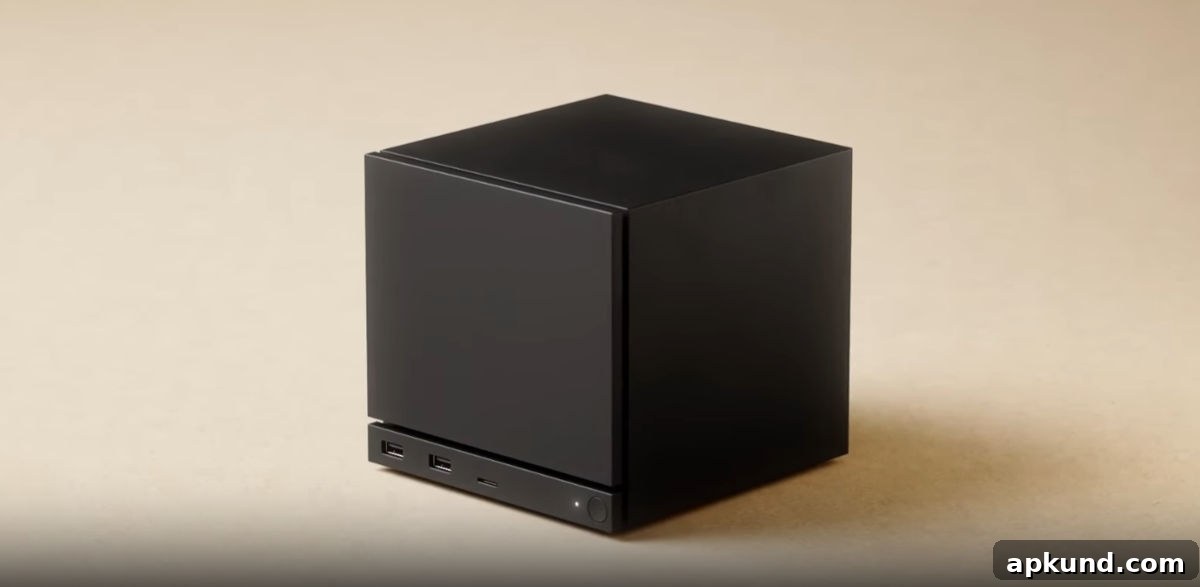
Valve has delayed the launch of its Steam Machine, citing widespread shortages and rising costs for memory and storage components across the tech industry. In a February 4 update, the company said it had planned to announce firm pricing and a release timeline by now, but escalating component prices have forced it to reconsider those plans.
The delay arrives amid dramatic increases in RAM and storage costs. DRAM prices reportedly surged between 178% and 258% from mid-September to mid-December 2025, driven largely by demand from AI datacenters. A significant deal announced in October between Samsung, SK, and OpenAI reportedly allocated a large portion of global DRAM output to new datacenter projects, tightening supply for other manufacturers and buyers.
Valve reiterated that it still intends to ship the Steam Machine, the Steam Frame VR headset, and a new Steam Controller in the first half of 2026. However, the company said it needs additional time to settle on pricing that reflects the rapid changes in component costs. The Steam Machine is especially sensitive to these fluctuations because it depends heavily on memory and storage, components that have seen some of the steepest price increases.
When Valve first announced the Steam Machine in November, the company indicated it would price the device roughly in line with the cost of building an equivalent PC from parts. That plan is now under scrutiny. With the same PC components experiencing sharp price hikes, the initial retail expectations now appear uncertain.
Why this matters for pricing
One important detail that affects consumers: Valve confirmed it will not subsidize hardware in the same way traditional console manufacturers often do. Companies like Sony, Microsoft, and Nintendo frequently sell consoles at a loss to build a user base and recoup margins through game sales and subscriptions. Valve’s approach is different — it intends to sell hardware closer to cost — which means end users will bear the full price of the device.
Even before the recent component price spikes, that strategy suggested the Steam Machine would likely be more expensive than mainstream consoles such as the PlayStation 5 or Xbox Series X. With current shortages and price pressures, some estimates now place a 2TB Steam Machine model above $1,000. At that level, the product moves into the territory occupied by compact gaming PCs and high-end mini-PC systems rather than traditional console pricing.
The prospect of high prices also raises concerns about supply and secondary-market behavior. If Valve can produce only a limited initial run because of constrained component availability, resellers could exploit the shortage by buying units and reselling them at inflated prices. That risk has become a recurring issue when demand outstrips supply for sought-after hardware launches.
Valve has been expanding its hardware lineup beyond the Steam Deck, exploring multiple devices and accessories, but the current market conditions complicate those ambitions. The timing is challenging: rising component costs, constrained inventories, and strong demand from other sectors such as AI datacenters are all converging at the moment Valve needs stable pricing and reliable supply.
For now, Valve says it will continue to share updates as it refines concrete pricing and finalizes launch dates. Consumers and industry watchers should expect more details later as the company evaluates component availability and works to balance product specs, production costs, and competitive positioning.