
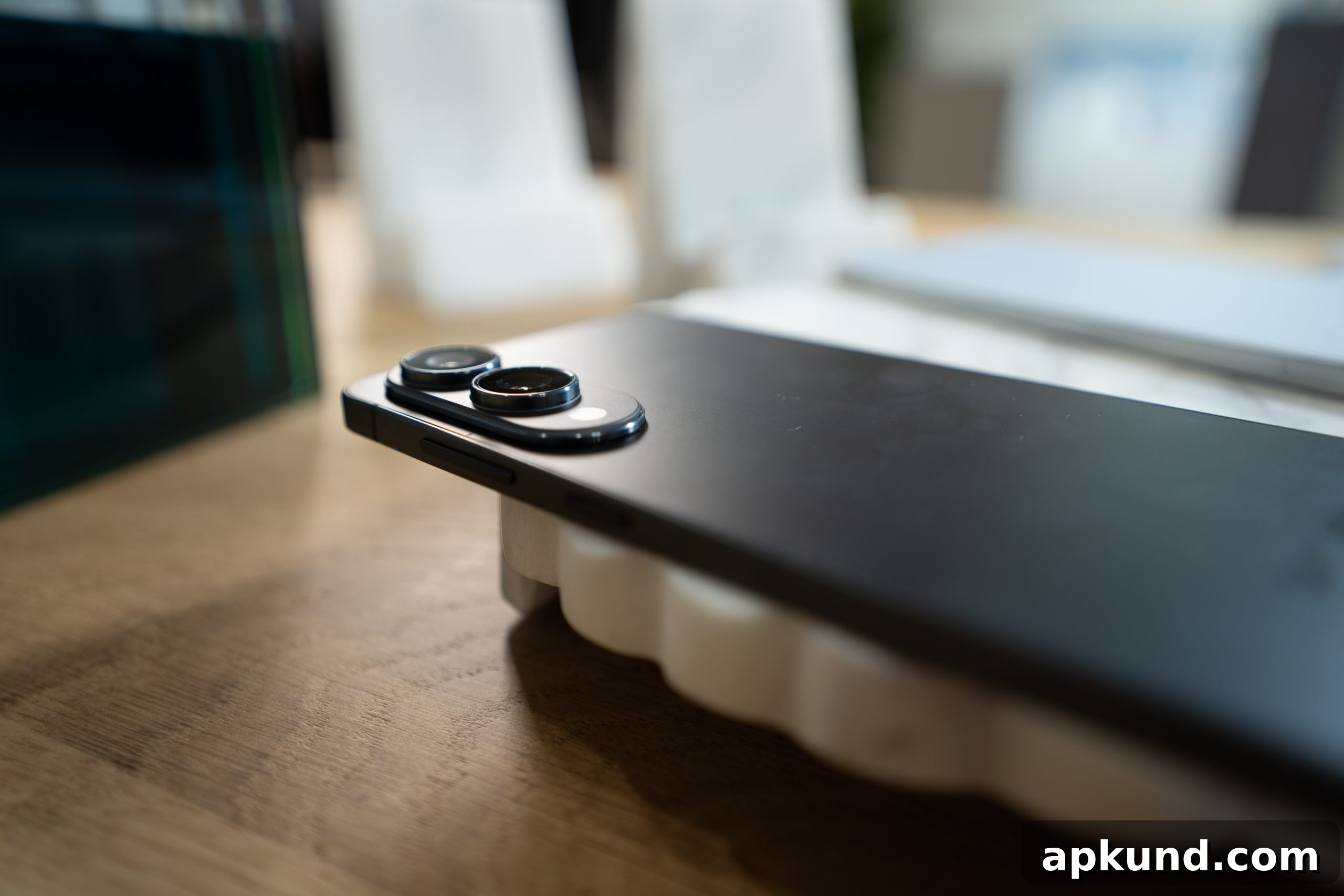
Back in 2018, Samsung took a bold step with the Galaxy S9’s camera by introducing a mechanical variable aperture instead of a fixed lens opening. The mechanism could switch between two aperture settings, letting the lens open wider in low light to admit more light and close down in bright conditions for sharper results. It was an innovative idea, but Samsung discontinued the feature after the Galaxy S10, citing added size and cost. That decision came in 2019. Now, according to a report from Korean outlet ETNews, Samsung is revisiting variable aperture technology.
The report indicates Samsung has asked multiple camera module partners, including Samsung Electro-Mechanics and MCNEX, to develop new variable aperture samples. Early testing is reportedly underway. Samsung appears to view the technology as essential to boosting camera competitiveness, preferring physical, optical control over purely software-based solutions. There’s no official confirmation about which phone would receive the tech, but the timing aligns with expectations for the Galaxy S27 series.
Why the renewed interest now? It’s reasonable to connect this move to broader trends in the smartphone market. Apple is widely expected to introduce variable aperture on an upcoming iPhone Pro model, a development that would mark Apple’s first use of this capability. Faced with competitors exploring or adopting advanced aperture control, Samsung likely wants to avoid falling behind on a feature it originally introduced to the mainstream. Historically, iPhone models from the iPhone 14 Pro through the iPhone 17 Pro used a fixed aperture, so Apple’s potential shift represents a notable change across the industry.
The tech has come a long way since 2019
Samsung’s original implementation in the Galaxy S9 was relatively simple: it toggled between two discrete settings, roughly f/1.5 and f/2.4. That mechanical dual-aperture approach worked, but it didn’t deliver transformative results for most users. The surrounding camera landscape, however, has evolved significantly. Other manufacturers have moved toward more flexible aperture control. For example, some recent phones from other brands offer a wide aperture range or even stepless, continuously adjustable apertures, enabling finer control of exposure and depth of field than the two-position system Samsung used.
Contemporary variable aperture systems can provide multiple stops or seamless adjustment across a range of f-stops. That ability translates to genuine photographic benefits: improved low-light performance without relying solely on high ISO or aggressive noise reduction, more natural background blur when desired, and finer control over sharpness and exposure in mixed lighting. Those are advantages that bring smartphone imaging closer to the behavior of standalone cameras, where aperture is a central creative tool.
Samsung has been rumored previously to consider bringing variable aperture back on models like the Galaxy S26 Ultra, though that did not materialize. With the S27 now a likely candidate according to current reporting, the company may be ready to revisit and refine the concept. Modern engineering could address the earlier drawbacks—size, complexity, and cost—by leveraging smaller, more precise components and tighter integration with sensor and image processing systems.
Bringing variable aperture back would also align with other improvements in mobile photography, including larger sensors, improved stabilization, and more advanced computational photography pipelines. When a mechanical aperture is combined with contemporary sensor technology and smarter processing, the result can be a substantive improvement in dynamic range, image clarity, and creative control. Users could benefit from shallower depth of field for portraits and subject isolation, or from wider apertures that gather light for cleaner low-light shots without heavy noise reduction artefacts.
It’s worth noting that returning to a mechanical aperture design is not simply nostalgia. The market has moved forward, and variable apertures today can be more refined and useful than before. If Samsung follows through, the company would be updating one of its early innovations to meet modern expectations. Whether that will be enough to differentiate a future Galaxy flagship remains to be seen, but the renewed focus shows Samsung is actively exploring optical options alongside the software improvements that have dominated recent camera gains.
In the end, the reappearance of variable aperture technology would be a sign that hardware-level controls still matter in the smartphone photography race. Even as computational methods improve, having physical mechanisms to shape light and depth remains a valuable tool for manufacturers trying to deliver the best possible images from a compact device.