
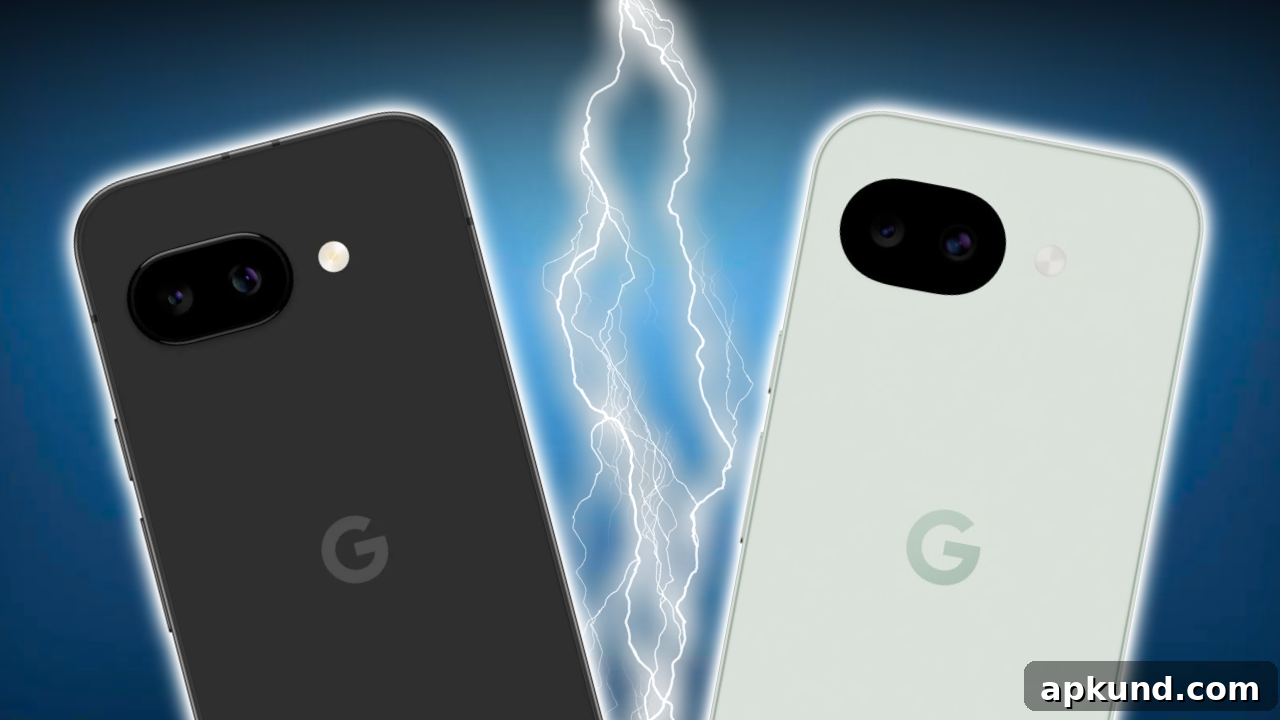
Another year brings a new Pixel A-series phone. Google’s more affordable Pixel A models have helped the brand build momentum, and a decade into the A-series it’s encouraging to see the lineup continue. The latest entry, the Pixel 10a, follows the familiar formula of offering core Pixel experiences at a lower price point than flagship devices.
With the Pixel 10a, Google appears to have chosen a cautious approach, sticking close to the proven blueprint. On paper and in hand, the 10a looks and feels very similar to the Pixel 9a that preceded it. If you own an older Pixel and are considering an upgrade but don’t want to pay flagship prices, you may be wondering which A-series model is the better buy. Below, we compare the two phones across design, hardware, cameras, and value to help you decide.
Separated at Birth?
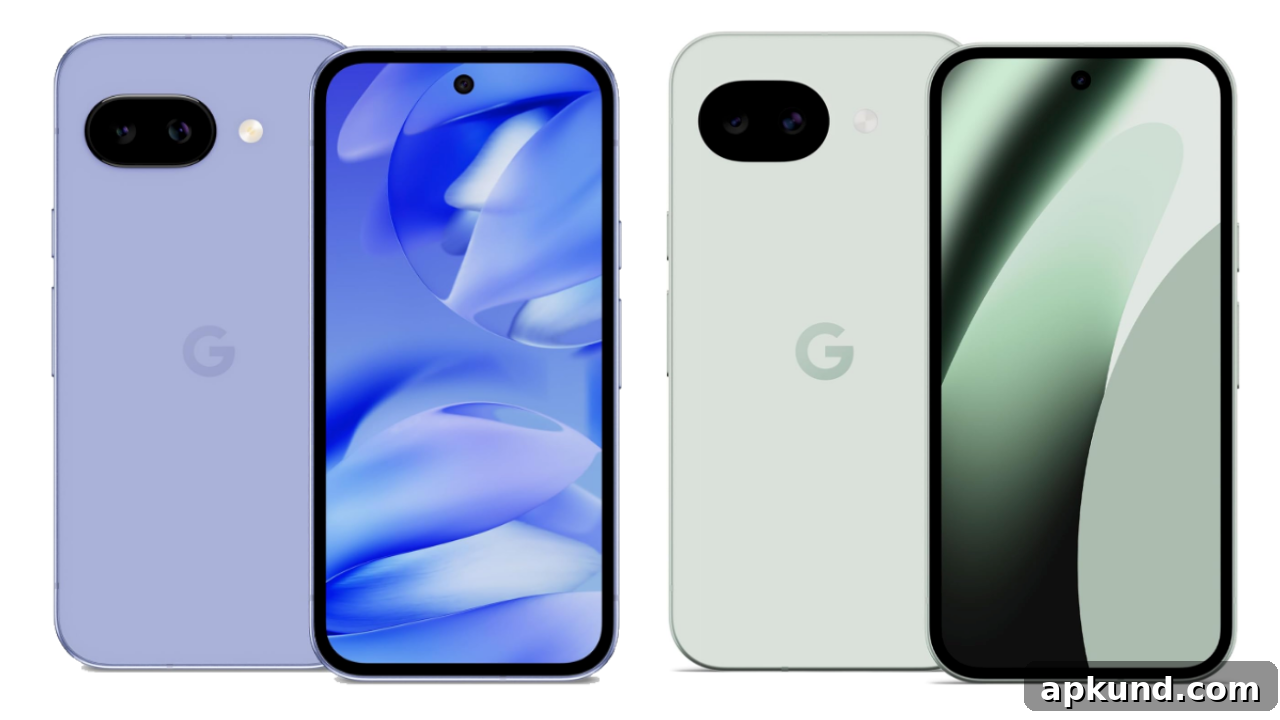
The Pixel 9a (left) and the newer 10a (right).
At first glance, the Pixel 10a and 9a are easy to confuse. Both phones adopt flat sides, plastic back panels, and minimal camera protrusions, giving them a clean, understated look. The differences are subtle but meaningful: the 10a features a flatter, wider camera window and slightly slimmer bezels, while its display boasts higher peak brightness. These refinements make the 10a feel a touch more modern without departing from the A-series visual language.
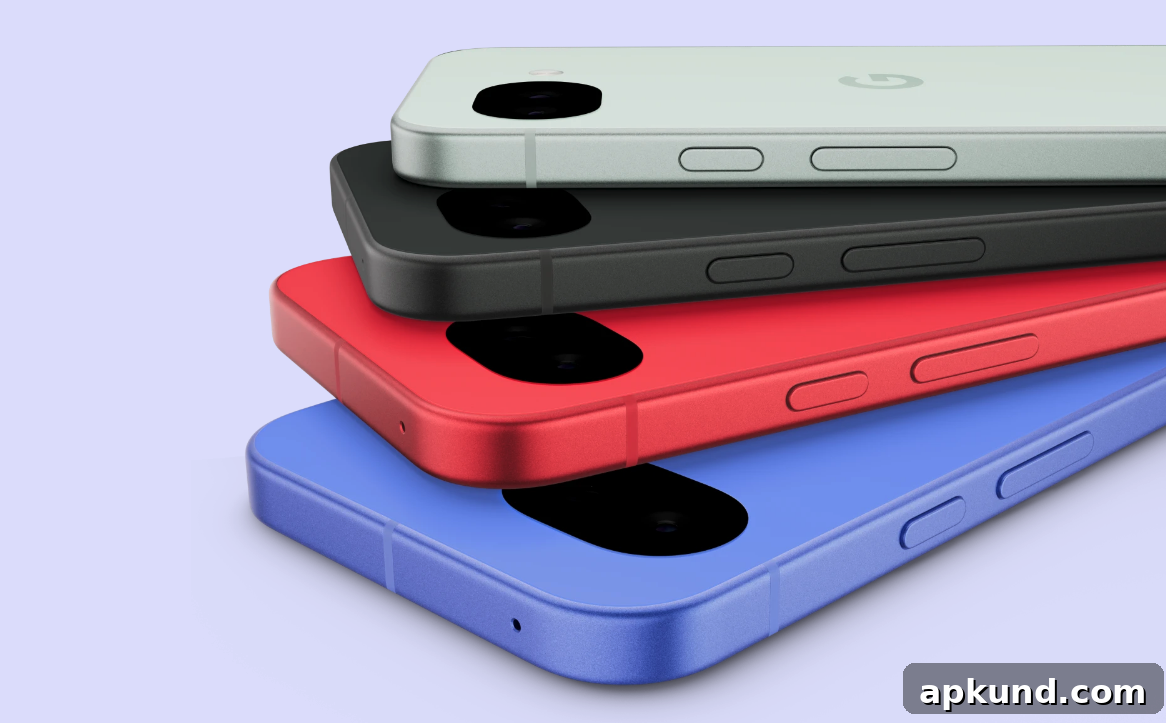
Color options provide another way the models diverge. The Pixel 10a introduces exclusive finishes such as “Berry” and “Fog,” while the Pixel 9a offered “Porcelain” and “Peony.” Build-wise, the 10a also gains more durable glass protection, switching to Gorilla Glass 7i compared with the 9a’s Gorilla Glass 3, which should offer better resistance to everyday wear and tear.
Internal Hardware
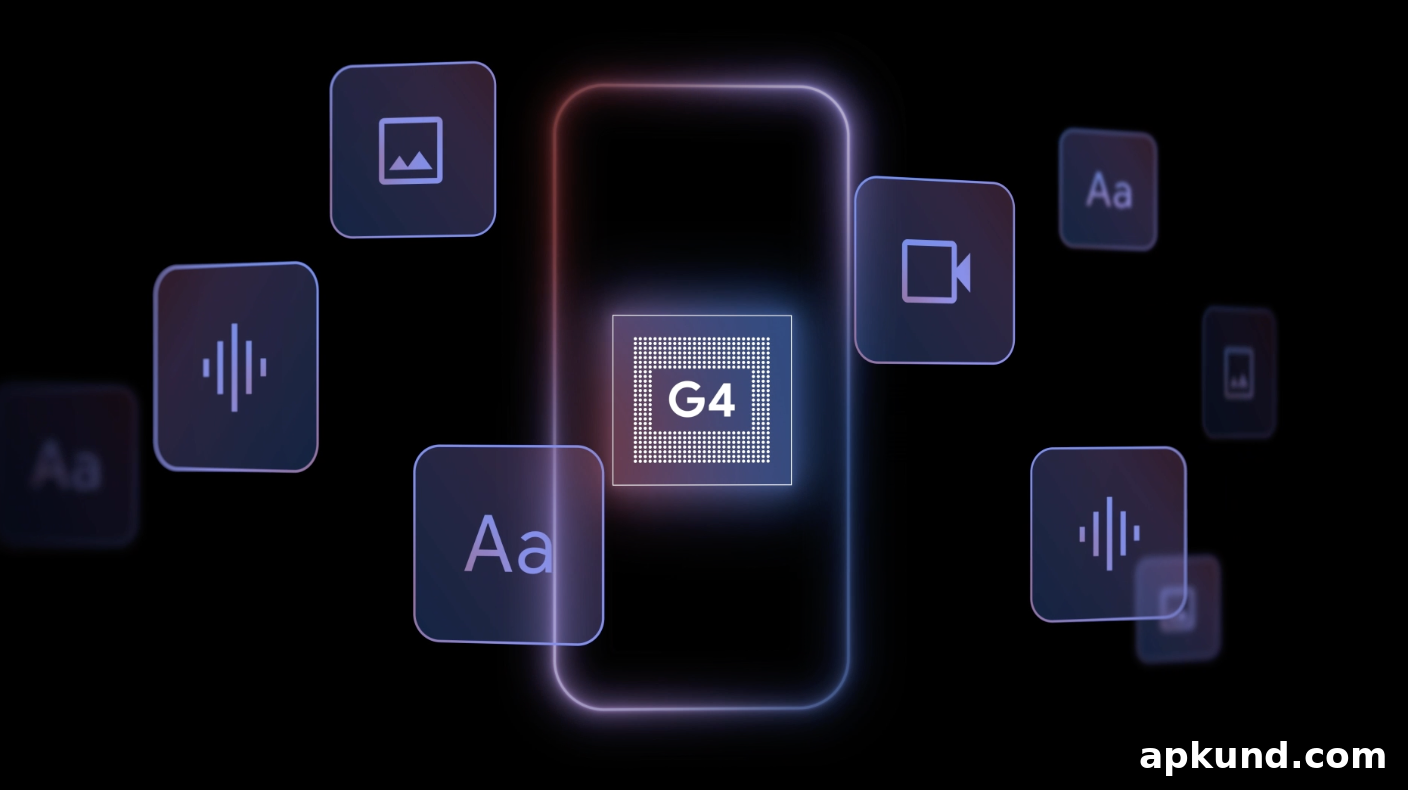
Under the hood, Google took a conservative path. Both the Pixel 10a and 9a use the Tensor G4 chipset and ship with 8GB of RAM and storage configurations up to 256GB. Battery capacity remains the same across both models, with a sizable 5100mAh cell that should deliver multi-day endurance for most users.
Still, the 10a introduces a couple of tangible upgrades. Charging speeds increase from 23W on the 9a to 30W on the 10a, meaning faster top-ups when you need them. The 10a also includes an updated modem, which could improve connectivity in certain networks and locations. One notable omission is continued incompatibility with certain Pixel accessory ecosystems, which limits expandability if you were hoping to use specialized add-ons.
Camera Specs
Camera hardware remains largely unchanged between the two phones. Both the Pixel 10a and 9a carry a dual-camera setup on the rear: a 48MP primary sensor paired with a 13MP ultrawide lens. Selfie cameras match as well, with 13MP front-facing sensors on both models. Because the core imaging sensors and optical components are the same, photographic performance will be similar in many scenarios, with software refinements and processing being the primary differentiators over time.
The most visible physical camera change is cosmetic: the Pixel 10a’s camera window is completely flat, lacking the soft plastic lip that framed the 9a’s camera island. That small design tweak contributes to the cleaner rear profile on the newer model.
So Which One Should You Get?

Pricing is a practical consideration. The Pixel 10a starts at $499 for the 128GB configuration, matching the Pixel 9a’s launch price. However, the older Pixel 9a is often available for significantly less through discounts and promotions, making it a more budget-friendly choice if cost is the main factor.
If you prioritize durability and minor convenience improvements—such as a brighter, tougher screen and faster charging—the Pixel 10a is the better pick. These changes improve everyday use without altering the core Pixel experience. Conversely, if you want the best value and can live without the incremental upgrades, the Pixel 9a remains a sensible, more affordable option, especially when deals are available.
Ultimately, the choice comes down to what matters most to you: save money and get a very capable phone, or spend a bit more for enhanced display toughness and quicker charging. Both phones deliver solid performance, long battery life, and the software experience that defines Google’s Pixel lineup, so either pick will satisfy users seeking a capable midrange device.