
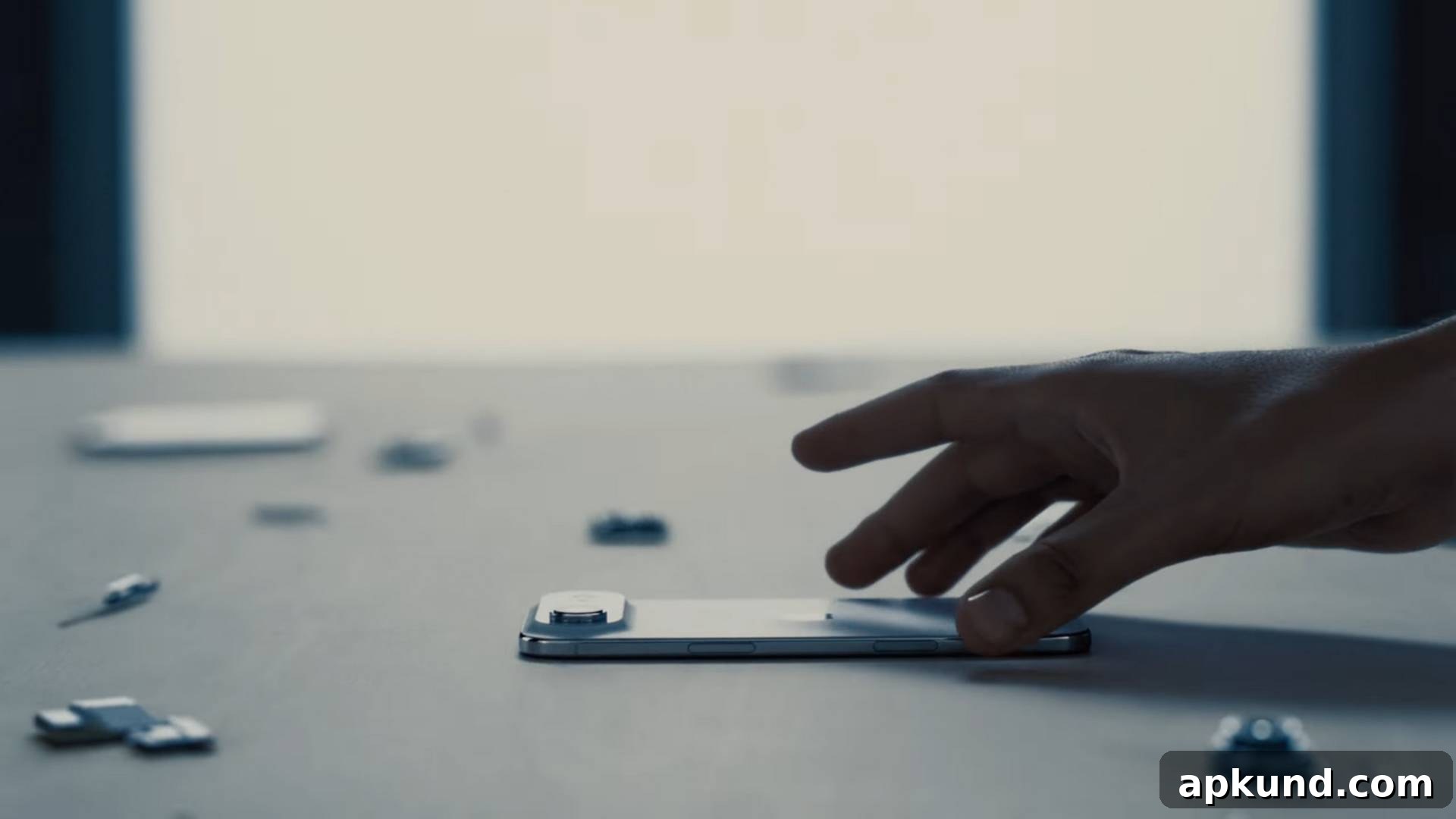
Since the iPhone 14, Apple has offered emergency SOS messaging via satellite for users who are off the cellular grid. The feature works in urgent situations, but it has significant limits: you must manually point the phone at a satellite, and the phone’s small internal antenna only transmits tiny amounts of data. Apple has been iterating on ways to improve satellite connectivity ever since.
A recently published patent, filed in 2024 and released publicly this year, describes one possible path forward: a removable iPhone case with a built-in phased array satellite antenna. The case would include a section that flips open and points skyward, enabling satellite communication without the user having to aim the phone. It would connect to the iPhone through a radio-frequency connector or NFC and be designed for easy installation and removal like a normal protective case.
Why a case instead of integrating the antenna inside the phone?
Satellite antennas typically need a larger surface area than an iPhone’s slim chassis can provide. Adding such hardware into every handset would increase cost and bulk for many users who might never use satellite features. A removable case allows Apple to keep the base device slim and affordable while offering enhanced satellite capability as an optional accessory for those who need it.
The phased array design is the crucial improvement. Rather than locking onto a single satellite and losing connection as it moves across the sky, a phased array can track and communicate with multiple satellites at once, switching between them seamlessly. That approach directly addresses a major limitation of current solutions. The patent also calls out hand obstruction as a real-world issue and describes a flip-out element so the user’s hand does not block the signal.
Beyond pointing and array design, the patent emphasizes an integrated workflow: the case would pair with the phone, coordinate beam steering, and manage satellite handoffs automatically. That reduces the technical burden on the user and makes satellite services easier to use in practical scenarios such as hiking, boating, or any remote travel where cellular coverage is absent.
This case concept aligns with broader moves by Apple and the industry to expand satellite-based services. Recent rumors suggest future iPhone models could shift satellite partners, and carriers have already begun enabling limited satellite texting via partnerships with services like Starlink. Those efforts have moved satellite connectivity from emergency-only features toward more general-purpose communication. A removable case focused on phased array technology could be the next step, enabling higher-bandwidth data rather than only brief emergency messages.
Built properly, a case-based phased array could allow not just SOS texts but a wider range of connectivity: longer messages, location sharing with richer context, and potentially low-bandwidth internet access for basic apps. That would be useful for people who routinely find themselves beyond coverage—outdoor enthusiasts, remote workers, and professionals operating in isolated environments.
However, it’s important to temper expectations. Apple files thousands of patents every year, many of which never become commercial products. A patent outlines possible implementations and intellectual property positions, not a confirmed roadmap or imminent release schedule. There is no clear indication this satellite case will appear in stores soon.
Still, the patent offers a concrete vision for how Apple could scale satellite connectivity without forcing hardware changes on every iPhone. By keeping the core device lean and providing an optional, user-friendly accessory, Apple could expand satellite capabilities to users who need them while avoiding added cost and bulk for those who don’t. Whether this specific case reaches the market or inspires other designs, the filing highlights an active area of development that may reshape how smartphones handle off-grid communication in the coming years.
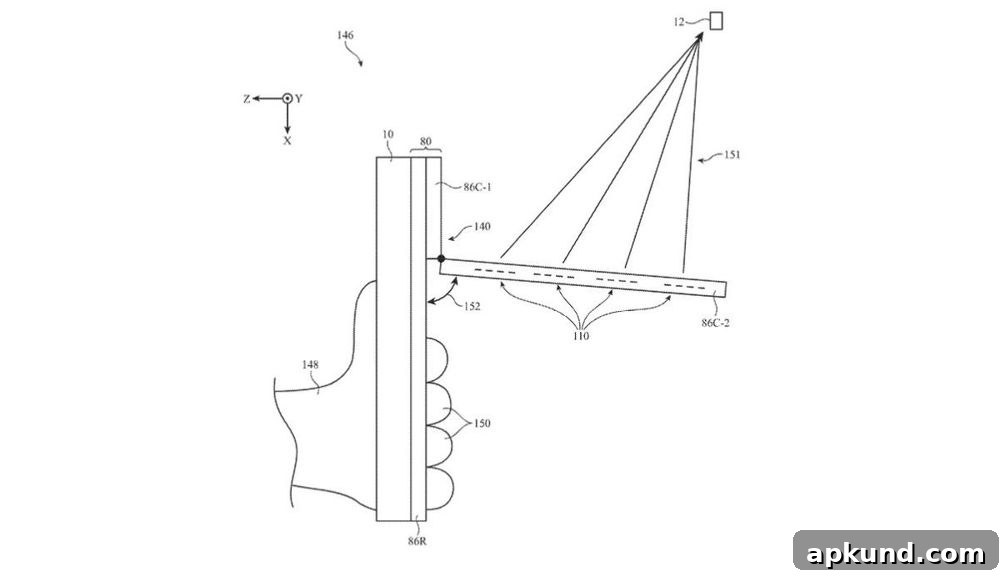
For now, the idea of a flip-out phased array case remains a promising concept rather than a shipping product. If Apple pursues it, such an accessory could make satellite connectivity easier, more reliable, and more useful for activities beyond life-or-death emergencies.