
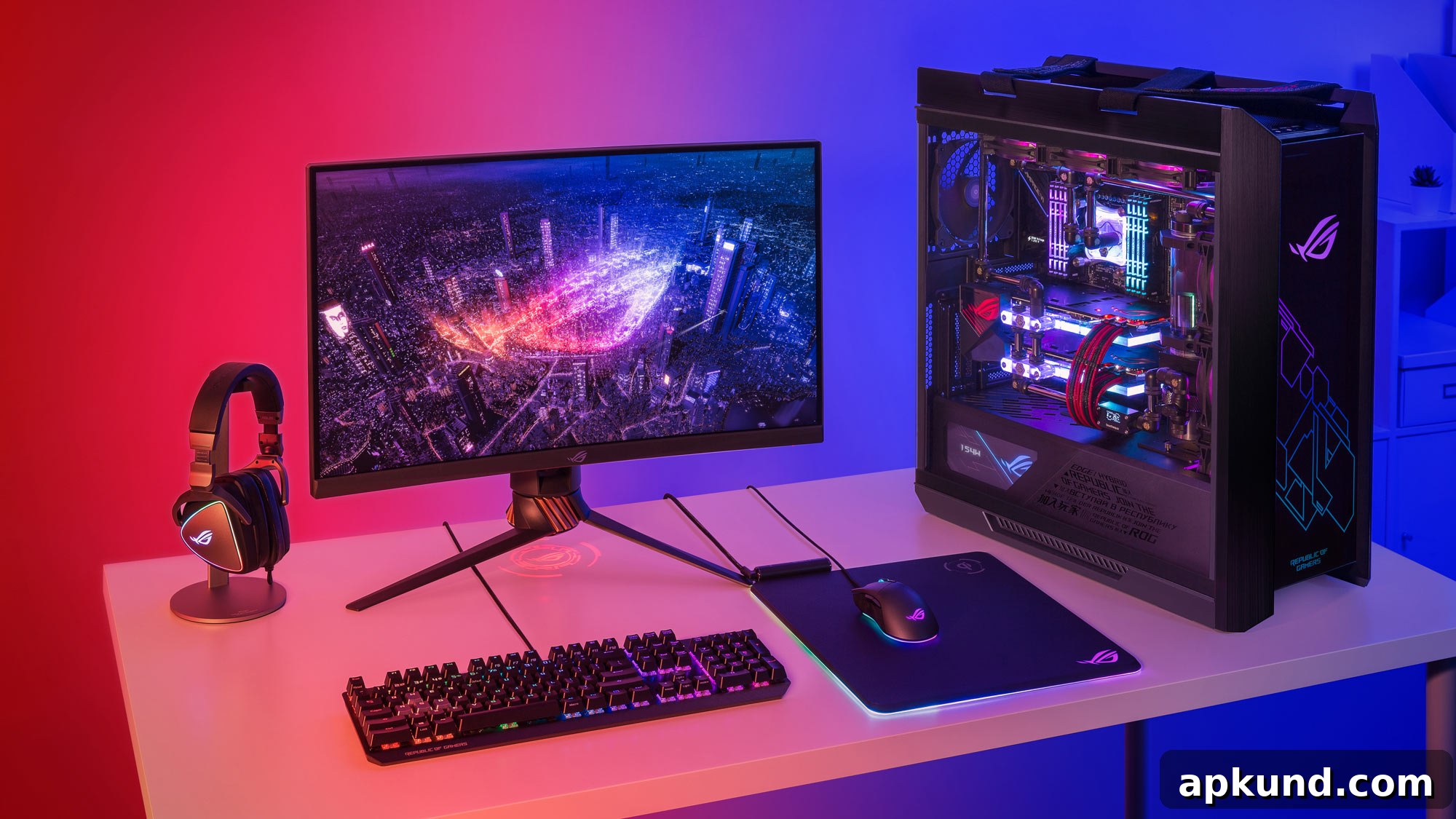
In previous years, spending $1,000 on a gaming PC often meant compromising—weak GPUs, slow storage, or a power supply that would make experienced builders uneasy. That changes in 2026. For about a grand you can now buy a capable system that handles modern AAA titles smoothly at 1080p and can tackle 1440p in many games when you tune settings appropriately.
However, the market is crowded, and not every prebuilt system at this price is a smart purchase. This guide cuts through the noise with tested recommendations, real user feedback, and a clear explanation of the specs that actually matter before you commit your money.
What Does $1,000 Actually Get You in 2026?
In 2026, a well-balanced $1,000 gaming PC typically includes a mid-range CPU, 16–32GB of RAM (increasingly DDR5), a 1TB NVMe SSD, and a case designed for decent airflow. Thanks to improvements in GPU and CPU architectures, these systems can run demanding games such as Cyberpunk 2077 (with ray tracing in some cases) or Starfield at high settings.
Expect roughly 60–80 frames per second in demanding AAA titles at high settings, and well over 100 FPS in esports shooters like Valorant and CS2 at 1080p. That level of performance covers the needs of most gamers today.
Keep in mind RAM prices rose recently, and “future-proofing” is now a common priority. Spending a bit more on DDR5-compatible motherboards, CPUs, and memory will often extend the useful life of the machine versus opting for older standards to save a few dollars up front.
Prebuilt vs. Custom: Which Makes More Sense at This Budget?
If you’re comfortable building, a custom PC will usually give you more performance for your money because prebuilts include a markup that can equal the cost of a component. But not everyone wants to assemble a system: prebuilts offer convenience, a single warranty, and the reassurance that the machine should work straight out of the box.
Reputable brands have improved their part selection, reducing the risk of proprietary, low-quality components. Still, avoid vendors that cut corners on the power supply or motherboard to hit a price point—those are the details that lead to headaches later.
The Best Prebuilt Gaming PCs Under $1,000 in 2026
1. META PCs Custom Entry Build
META PCs, based in Phoenix, Arizona, treats many of its machines like custom builds. They assemble, test, and ship systems by hand and are known for using higher-quality components than many mass-market prebuilts. That includes appropriately sized power supplies and reliable motherboards with upgrade headroom—uncommon at this price tier.
Customer feedback highlights reliability and straightforward setup. Ready-to-ship systems often include FPS benchmarks for popular titles and US customers can typically receive orders quickly.
Best for: First-time PC buyers who value build quality and dependable support over flashy marketing.
Cost: Varies by configuration, with some ready-to-ship options under $1,000.
2. Skytech Nebula
The Nebula is a strong pick for sustained play sessions thanks to quiet cooling and a mesh-front case that improves airflow. Reviewers report stable performance and comfortable thermals even during extended gaming. The configuration with 32GB of RAM is helpful for users who stream, run overlays, or keep many browser tabs open while gaming.
Specs: 32GB RAM, 1TB NVMe, AMD Ryzen 5 9600X, NVIDIA RTX 4060 8GB
Cost: Around $1,099
Best for: Streamers, content creators, and those who play long sessions and need quiet operation.
3. MSI Codex R2
MSI’s Codex R2 offers solid components—up to Intel Core i7-14700F, NVIDIA RTX 4060, 16GB DDR5, and a 1TB M.2 SSD. Notably, it includes a 650W 80+ Gold power supply, which provides better efficiency and more reliable voltage delivery than many budget units. That PSU also leaves room for moderate GPU upgrades later.
Specs: Intel Core i5-14400F, RTX 4060 8GB, 16GB DDR5, 1TB SSD
Price: About $999
Best for: Solid 1080p and 1440p gaming with upgrade potential.
4. iBUYPOWER Scale
The iBUYPOWER Scale with an RTX 5050 and DDR5 is a good option for buyers looking for newer architectures. The RTX 5050 brings support for the latest upscaling and frame-generation features that can significantly boost frame rates in supported titles. If you use a 144Hz or 165Hz monitor and want competitive-level frame counts without breaking the bank, this model is worth considering.
Specs: Intel Core i5, RTX 5050, 16GB DDR5, 1TB SSD
Price: Roughly $800–$1,300 depending on configuration
Best for: Competitive gamers and owners of high-refresh-rate monitors.
What Specs Matter Most at This Price
GPU is the priority. Allocate roughly 40–50% of your budget to the graphics card because it has the largest impact on gaming performance. Aim for cards with at least 8GB of VRAM—examples in this price range include the RTX 4060, RTX 5050, and RX 9060 XT.
Don’t overspend on the CPU. A mid-range Intel Core i5 or AMD Ryzen 5 with six cores and twelve threads is sufficient for gaming, streaming, and multitasking. Investing heavily in a CPU at this tier often means sacrificing GPU performance, which is usually the wrong trade-off.
Memory and storage basics. In 2026, 16GB is the minimum for gaming, while 32GB is preferable for multitasking, streaming, or content creation. A 1TB NVMe SSD is the practical minimum—modern AAA titles are large, and available space fills quickly.
PSU quality matters most. A reliable 80+ Gold power supply reduces the risk of instability and provides upgrade headroom. If a prebuilt listing doesn’t specify the PSU rating and model, that’s a red flag worth investigating before purchase.
Final Verdict
Spending $1,000 in 2026 doesn’t mean settling. You can get a capable, well-built machine that delivers excellent gaming performance. If you want quiet operation and extra RAM out of the box, the Skytech Nebula is a great pick. For strong build quality and after-sales support, META PCs stands out. The MSI Codex R2 offers a reliable power supply and upgrade potential, while the iBUYPOWER Scale provides cutting-edge features for competitive players. Ultimately, the right choice comes down to what you prioritize—silence and RAM, build quality and support, or the latest GPU features.
Choose based on the features you’ll actually use, and you’ll get excellent value for $1,000 in 2026.