
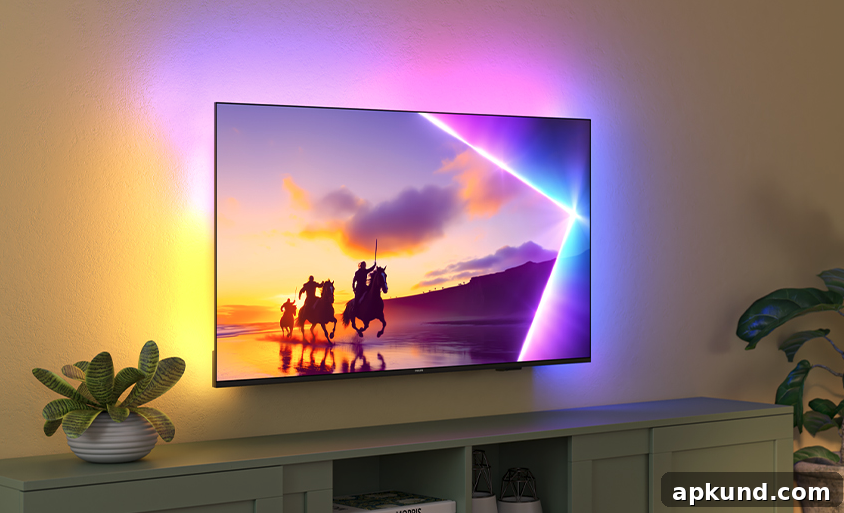
Philips Moves to Titan OS for New TP Vision TVs
At a recent launch event, Philips’ TP Vision unveiled a broad lineup of new and upcoming smart TVs aimed at a range of budgets and viewing needs. While the models vary in screen size, features and price, one important shift stood out: several of the latest Philips sets will no longer use Google TV and are instead adopting Titan OS as their primary smart TV platform.
Philips says Titan OS offers greater flexibility when it comes to user interface design and that it is more resource-efficient than Google TV. These optimizations are intended to improve overall performance and responsiveness, particularly on entry-level and mid-range hardware. The company also highlighted potential new revenue opportunities enabled by Titan OS, suggesting tighter integration for content partners and services in future models.
Some Philips TVs have already featured Titan OS in limited releases, but the announcement indicates the company plans a wider rollout and a clearer strategic move away from Google’s platform. This transition will affect how users interact with the TV, which apps are readily available out of the box, and which platform-specific services remain supported.
One practical consequence of swapping Google TV for Titan OS is the likely removal of native Google Cast support. That change would mean users might not be able to cast directly from Android phones, Chromebooks or other Google Cast–enabled apps in the same seamless way they could on Google TV devices. In addition, any apps or services that are exclusive to Google’s platform may not appear on Titan OS without workarounds or new partnerships.
Despite these trade-offs, Titan OS brings its own set of features that aim to cover common streaming needs and some TV-centric use cases. Philips has mentioned built-in tools such as a dedicated hub for live sports streaming, a “continue watching” section for quick resume across content, and a watchlist for queued titles. The platform will also include free content options through partners like Plex and Tubi, providing viewers with ad-supported streaming choices without additional subscriptions.
From a user perspective, Titan OS’s focus on a lightweight UI could mean snappier menu navigation and faster app launches, especially on hardware with limited memory or older processors. For buyers who prioritize responsiveness and a clean interface over deep integration with Google services, the new Philips models may be an attractive option. Conversely, users deeply invested in the Google ecosystem—relying on Google Cast, Play Store exclusives or tight Android integration—should review app availability and casting alternatives before choosing a new set.
For content providers and app developers, the move to Titan OS presents both challenges and opportunities. Developers will need to evaluate whether to port or optimize apps for Titan OS to reach Philips customers. At the same time, the platform’s emphasis on flexible UI design and potential revenue features could make it appealing for partners seeking more control over presentation and monetization on the TV screen.
In short, Philips’ broader adoption of Titan OS marks a clear strategic shift for TP Vision’s smart TV lineup. The change aims to deliver a lighter, more customizable interface with built-in features for sports and free streaming, while sacrificing some Google-specific functionality such as native casting and platform-exclusive applications. As these new models reach the market, prospective buyers and developers should weigh the benefits of a streamlined UI and new content partnerships against the loss of direct Google TV features.
Source: Flat Panels HD (reported coverage)