
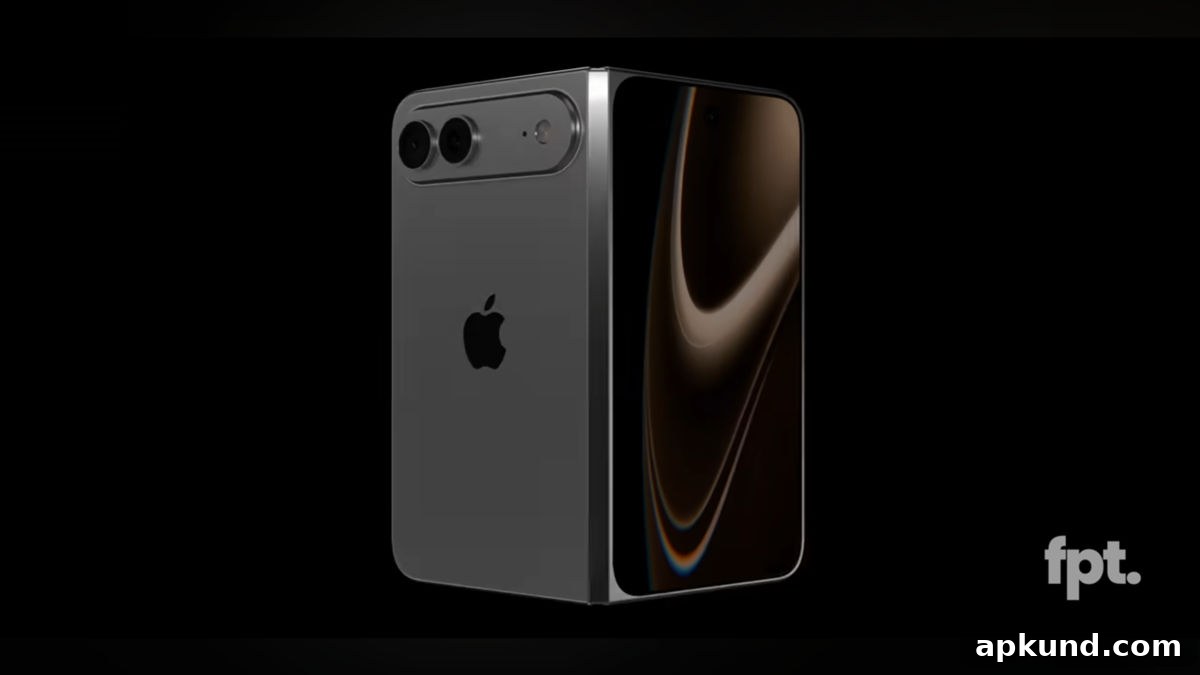
Apple’s long-rumored foldable iPhone appears to be nearing a public debut. The new device, widely expected to be called the iPhone Ultra, is reportedly scheduled to arrive in September. But according to Bloomberg’s Mark Gurman, buying one at launch may not be as straightforward as walking into a store and picking up a new Pro Max.
Gurman wrote his update as a direct response to reporting from Nikkei Asia, which suggested the foldable iPhone was running into major production delays that could push its release into 2027. That earlier report shook investor confidence, driving Apple shares down more than 5% after the story circulated. Gurman pushed back on the 2027 timeline, saying Apple still plans to introduce the iPhone Ultra in September alongside the iPhone 18 Pro series.
Even so, Gurman included a cautionary detail worth noting: the novel display design and new materials Apple is using could constrain initial iPhone Ultra supply for several weeks after launch. The plan remains to announce the device either at the same event as the Pro models or very close in timing, but mass production has not yet reached full speed and final manufacturing schedules remain subject to change.
Why Getting One Early Won’t Be Easy
Making a foldable iPhone is materially different from producing a traditional slab-style handset. The core challenge centers on the display — a multi-layer assembly that requires precise engineering to fold reliably. Reports indicate Apple will rely on a specialized, near-creaseless OLED panel from Samsung and add multiple protective and functional layers to achieve the durability, feel and optical quality customers expect from an iPhone.
That engineering complexity typically leads to lower initial production yields, which means fewer saleable units per manufacturing run until processes are refined. Lower yields slow the ramp-up and can create the kind of short-term supply bottlenecks that prevent broad availability immediately after an announcement.
Analyst Ming-Chi Kuo has been warning about the potential for extended supply constraints since late last year, suggesting shortages could stretch into 2027. Apple reportedly aims to produce roughly 7 to 8 million units in the initial production window. To put that in perspective, that target is modest compared with the volumes Apple usually allocates for mainstream Pro models, which are manufactured in much higher quantities.
Other analysts have suggested even wider delays are possible. Barclays analyst Tim Long has publicly floated the possibility that the iPhone Ultra might not reach customers until December, even if Apple announces it in September. Gurman did not go as far as to endorse a December shipping timeline, but he also did not rule out a gap between announcement and widespread availability. In short, supply limitations could eclipse the announcement itself as the most newsworthy aspect of the launch.
Pricing expectations add another layer to the story. Industry reports place the iPhone Ultra’s price above $2,000, making it one of Apple’s most expensive consumer devices. If those projections hold, early adopters who manage to secure one during tight initial supply windows will likely pay a premium — not only in dollars but in effort and patience.
For consumers planning to buy at launch, the situation suggests a few practical realities: reservations and online preorders could sell out quickly, carrier stock will likely be limited, and in-person availability at Apple Stores could be especially constrained during the first weeks. Some buyers may prefer to wait for supply to stabilize to avoid paying inflated resale prices or facing long waiting lists.
From Apple’s perspective, launching a category-defining product like a foldable iPhone is a balance between meeting customer demand and ensuring the hardware meets the company’s high standards for reliability and performance. If manufacturing challenges require a slower rollout, the company may prioritize quality and a controlled ramp over immediate mass availability.
In the coming months we should see clearer signals: Apple’s official announcement timing, preorder windows, and any guidance about shipping dates will offer the best indication of how constrained initial supply will be. Until then, those planning to buy the iPhone Ultra at or near launch should be prepared for limited availability and the possibility of a longer wait than with a typical new iPhone release.