
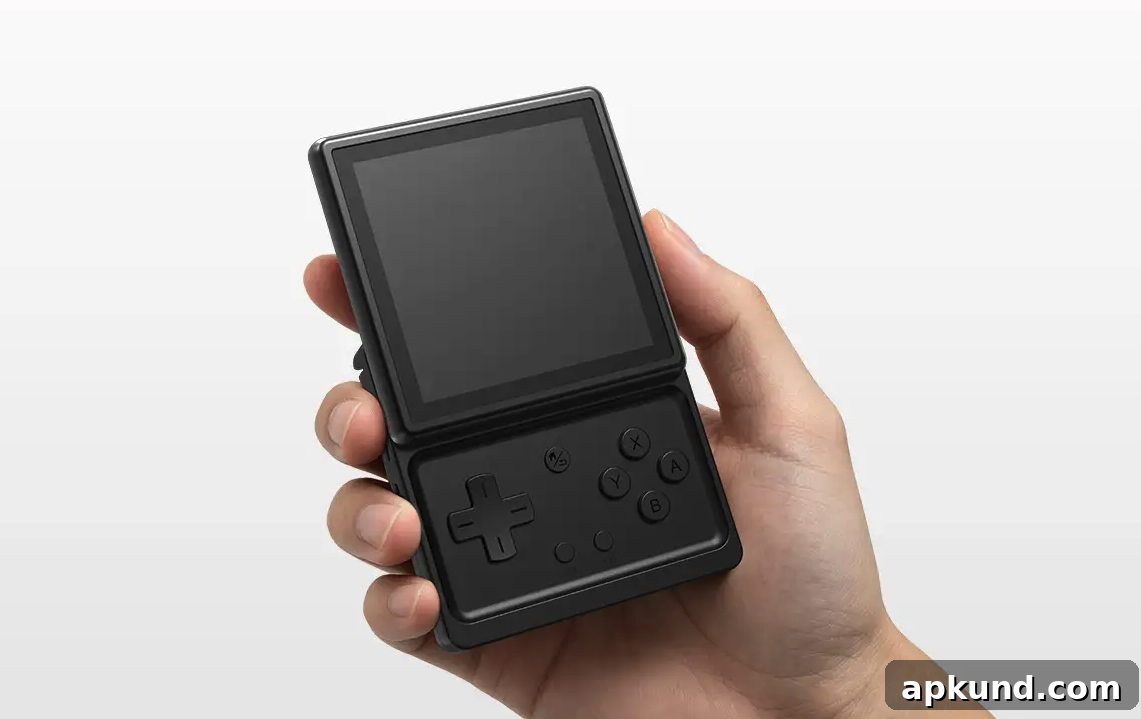
ANBERNIC has a reputation for experimenting with distinctive approaches to Android-based gaming hardware, and while the company occasionally borrows familiar design ideas, it still manages to surprise and excite retro gaming enthusiasts. One recent example is the ANBERNIC RG Rotate, a handheld that literally puts a new “twist” on portable gaming by offering a compact, space-saving layout that conceals its controls when not in use.
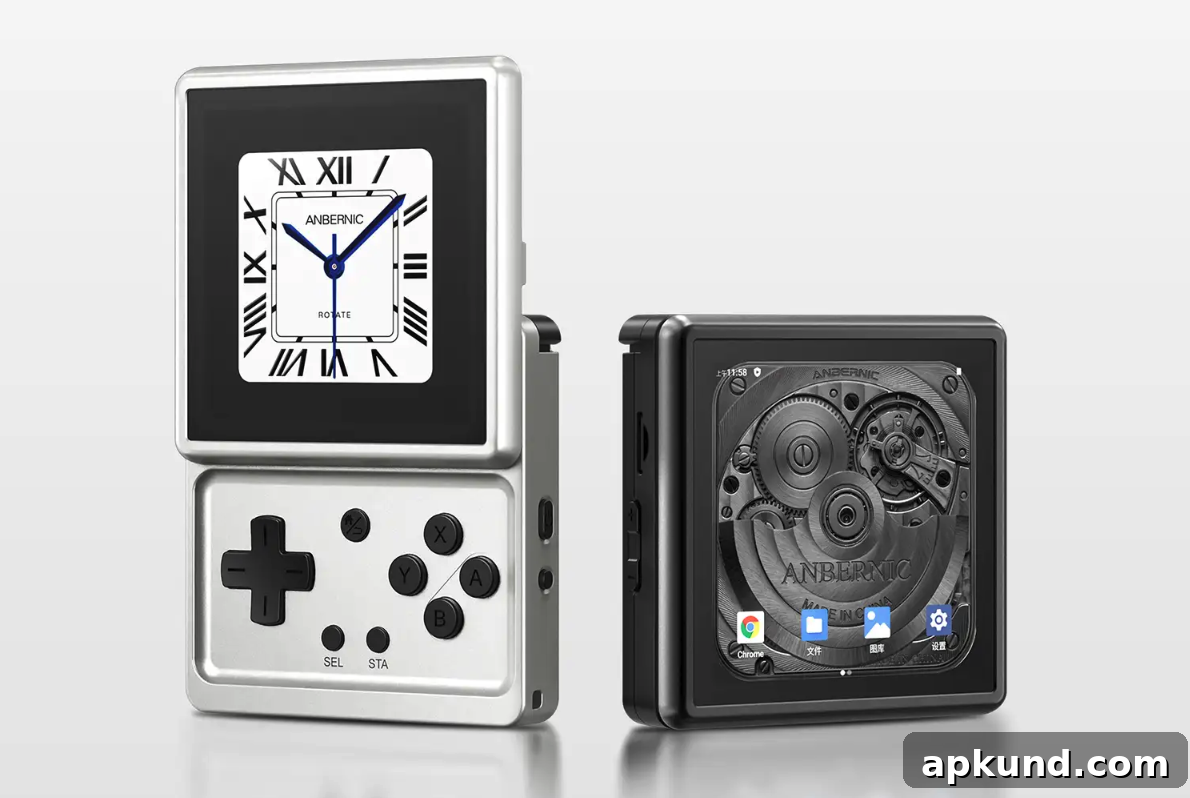
Unlike many modern handhelds that prioritize raw performance, the RG Rotate focuses on portability, accessibility, and delivering a solid retro gaming experience in a very small package. The front of the device features a 3.5-inch IPS display housed in a chassis that combines aluminum and plastic construction; the silver variant is reported to use a full aluminum build, which should provide a premium feel and improved durability compared with plastic-only models. The overall design emphasizes compactness, and the rotating or retractable control mechanism helps make the unit exceptionally pocket-friendly when compared to conventional handhelds with fixed controls.
Under the hood, the RG Rotate is powered by a Unisoc Tiger T618 processor and is paired with 3GB of RAM and 32GB of internal storage. A 2,000mAh battery supplies power to the system. These specifications are modest by modern smartphone or high-end gaming handheld standards, and they reflect the device’s clear focus: running classic and retro titles rather than demanding contemporary console games. For emulation of handheld and older console systems, this configuration should be adequate for many users, while those expecting to run modern, high-end 3D console ports may find the device limited by its hardware.
Storage and memory are modest but typical for budget-oriented retro-focused handhelds. The combination of 3GB RAM and 32GB internal storage may be sufficient for a library of classic games and ROMs, though users who plan to keep a larger collection or install additional apps will likely want to expand storage via available options such as microSD (if supported) or manage their library carefully. The 2,000mAh battery provides decent portability for short to moderate play sessions; battery life will vary significantly depending on the specific emulation software used, screen brightness, and the efficiency of any installed apps.
The RG Rotate’s distinctive form factor and compact footprint make it particularly attractive to retro gamers who value portability and style. The hidden or rotating controls not only save space but also protect the buttons when the device is stored or transported. The metal construction of the silver version should add to the overall sturdiness and tactile quality of the handheld, while the black model—with its mixed aluminum and plastic build—offers a more budget-friendly option.
Pricing positions the RG Rotate as an affordable entry point into compact handheld retro gaming. The silver, all-aluminum variant starts at $107.99, while the black model is available at a lower entry price of $87.99. These price points put the device within reach for hobbyists and newcomers who want a dedicated, pocketable platform for playing classic games without a large investment.
Who is the RG Rotate best suited for? Primarily retro gaming fans who prioritize portability and a unique, compact design over cutting-edge performance. It’s a practical choice for collectors, commuters, and anyone who wants a simple, dedicated unit for revisiting classic titles on the go. For users whose priorities include emulating more recent or resource-intensive systems, a more powerful handheld or a different platform would be a better match.
In summary, the ANBERNIC RG Rotate stands out for its inventive approach to compact handheld design, solid retro-focused hardware, and affordable pricing. Its modest specifications make it a purposeful device for classic gaming rather than a high-performance gaming powerhouse, but for many enthusiasts the balance of portability, build quality, and price will make it a compelling option.