
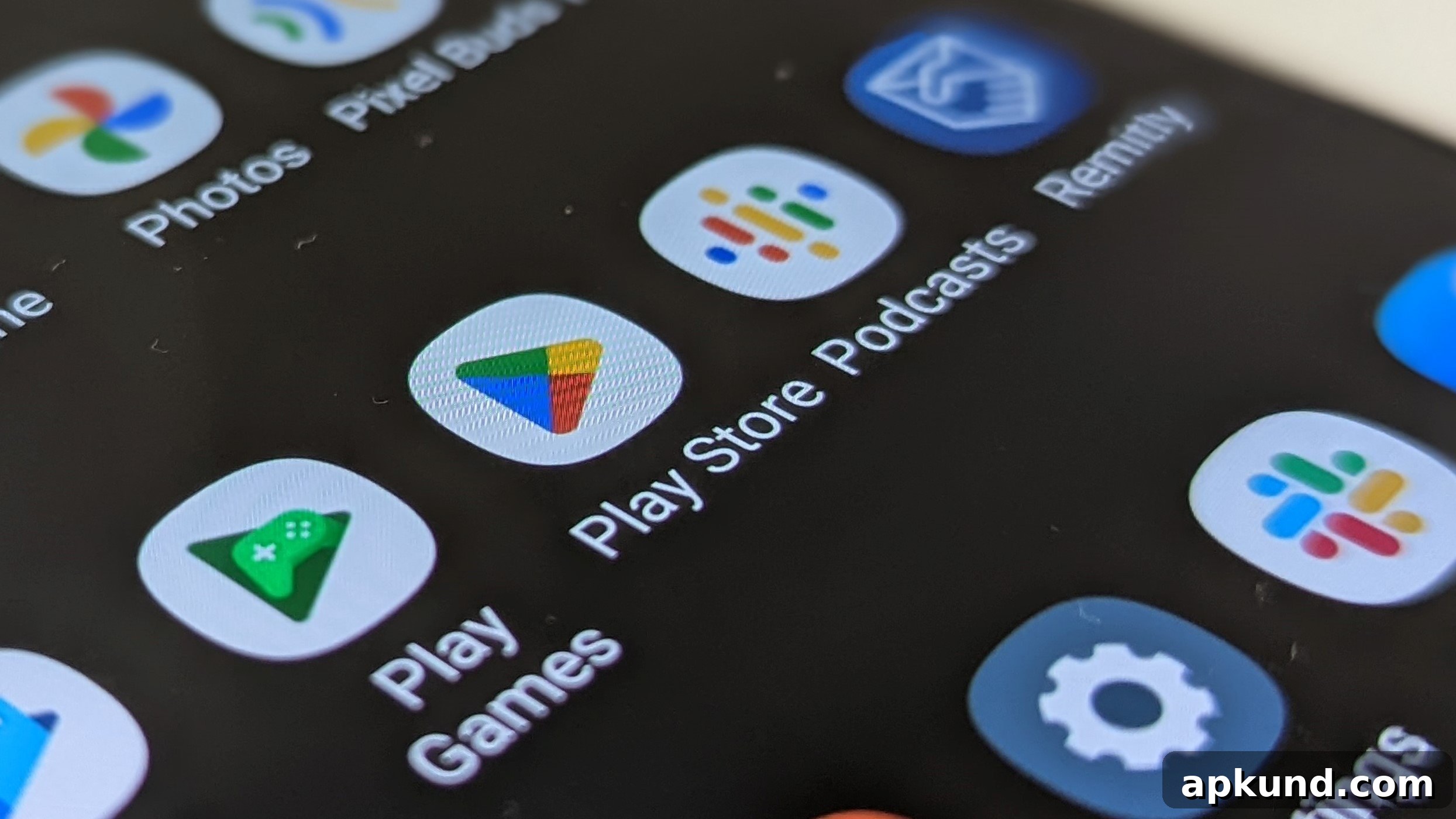
Epic Games began a public legal battle with Google over the Play Store’s 30% commission in 2020, a conflict that consumed years of litigation and scrutiny. That fight has had broad consequences: the outcome is now reshaping how payments work on Android and opening new opportunities for developers beyond Epic itself. Google has confirmed that Play Store external payments will finally roll out on June 30 in the United States, the United Kingdom, and the European Union, marking a major shift in how developers can accept payments from users.
In its developer announcement, Google explained that the flat 30% commission policy is being replaced by a more nuanced fee structure intended to be fairer for smaller developers and more flexible across payment methods. Under the new rules, a 10% service fee will apply to the first $1 million in annual revenue for each developer, regardless of whether payments use Google Play Billing, a developer’s own billing system, or a direct link to an external website. That 10% rate also applies to auto-renewing subscriptions.
For developers who continue to use Google Play Billing, there is an additional 5% billing fee on top of the 10% service fee. That means a developer using Google Play Billing would effectively pay up to 15% on the initial revenue bracket. However, if developers route payments through their own systems or through external payment processors supported by the Play Store’s new option, the 5% billing fee is eliminated, leaving only the 10% service fee on the first $1 million.
What changes for developers and users
Beyond the first $1 million in revenue, fee rates increase, and Google will apply different fee levels depending on whether the customer is a new install or an existing user who purchased the app before June 30. Google’s announcement emphasized this distinction but did not publish detailed percentages for those higher tiers in the initial message. Developers should expect an evolving set of rate tiers and will want to track official guidance to understand how those tiers apply to their business models.
This update builds on steps Google began previously to allow alternative billing systems. Earlier pilot programs let developers switch billing systems in certain regions, but those early options did not fully remove Google’s percentage cut. With Play Store external payments, developers now have a clearer path to accept payments entirely outside Google Play Billing and retain a larger share of their revenue. Major studios and independent creators alike can use external billing if they prefer, which could lead to increased competition among payment providers and more pricing flexibility across apps.
Epic Games already demonstrated the practical implications of this change when it returned Fortnite to the Play Store using its own payment system. That move showcased one possible path for big developers to maintain direct control over transactions and keep a larger share of revenue, and the new Play Store policies make similar choices more accessible to a wider range of developers.
Regional timing for the rollout varies. The initial launch on June 30 covers the US, UK, and EU. Australia is set to receive Play Store external payments in September, while Japan and South Korea have a December timeline. The remainder of global markets will transition to the external payments option in 2027. This staggered rollout means developers operating across multiple countries will need to manage different payment flows depending on local availability and local legal requirements.
One important question remains: will lower fees lead to cheaper apps and subscription prices for consumers, or will developers simply increase their margins? Some developers may pass savings on to users to gain market share, while others may use the increased revenue to invest more in development, marketing, or content. Smaller developers, in particular, stand to benefit from the reduced percentage on the first $1 million in revenue, which may improve the viability of niche apps and services.
For Android app publishers, this change requires operational planning. Teams will need to decide whether to continue using Google Play Billing and accept the combined service and billing fees, or to implement and maintain their own payment processing solutions where permitted. Each approach has trade-offs: Google Play Billing provides integration and security benefits, while external billing can reduce costs but may require additional compliance, fraud prevention, and user support efforts.
Overall, the policy update signals a significant shift in the Android app economy. The new fee structure and the arrival of Play Store external payments create more options for developers and could lead to faster innovation in pricing and payment services on Android. Developers should review the official documentation when it becomes available for detailed guidance and timetables specific to their markets and business models.