
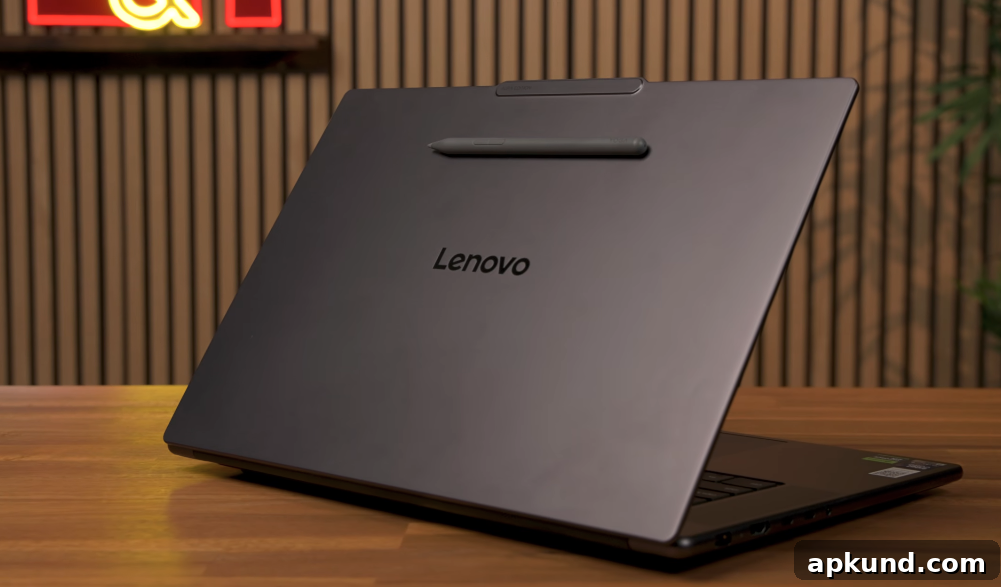
We’re used to hearing that RAM and storage have become more expensive, but Lenovo’s latest comments suggest the higher costs may be the new baseline. At ISC 2026, a Lenovo presenter said memory prices through 2030 are likely to remain elevated, signaling that the recent surge in DRAM and NAND costs is not a temporary spike. While the presenter made a quip that the old pricing era has an expiration date, the broader message was clear: the market has shifted and industry observers should take note.
Lenovo traces the current price rise back to late 2025, when both DRAM and NAND moved decisively above their historical trading ranges. Since then, manufacturers have increased output, but new capacity has not kept pace with demand. That mismatch—growing demand versus slower capacity expansion—is the core reason Lenovo expects higher memory prices to persist. Other major suppliers, including Samsung, SK Hynix, and Micron, have issued similar warnings about tight supply and upward pressure on prices in recent months, although Lenovo is one of the first to set a multi-year horizon for the trend.
What This Means for Your Next Phone or PC
For consumers and businesses, prolonged elevated memory prices will change upgrade patterns and product pricing. Device makers already began adjusting prices earlier this year; for instance, several manufacturers announced across-the-board price increases. Analysts also warned that mobile DRAM costs could nearly double in the near term, a shift that directly affects the bill of materials for phones, tablets, and other portable devices. If memory prices remain high through 2030, the effect won’t be limited to a single product cycle—phones, laptops, and even game consoles could carry higher price tags for multiple years instead of just months.
That reality alters how people should plan upgrades. Consumers weighing a new phone or laptop will need to consider that bigger storage or more RAM could be more expensive and harder to find at previous price points. Businesses and enterprise buyers should expect higher recurring costs for servers and storage infrastructure, and may need to adjust procurement timelines or budgets accordingly. In short, memory cost inflation would make higher-spec configurations pricier and could prolong the useful life of current devices as buyers delay upgrades.
New manufacturing fabs and capacity expansions are in the pipeline, but history shows that building additional memory production doesn’t always close the gap quickly. Previous waves of capacity growth were often followed by demand increases that absorbed the added supply, leaving pricing pressure in place. Lenovo’s assessment reflects that pattern: even with new fabs coming online, the company does not expect a rapid return to early-2025 price levels. That suggests the industry may face a multi-year period where “normal” means higher baseline costs for DRAM and NAND.
For OEMs and component buyers, the shift implies a stronger need for long-term planning and supply agreements. Companies that lock in supply or diversify sourcing strategies are better positioned to manage price volatility. Cloud providers, hyperscalers, and enterprise IT teams should model scenarios with sustained memory cost inflation to evaluate the impact on total cost of ownership for data centers and edge deployments. For smaller vendors and individual shoppers, the practical response may be prioritizing upgrades that deliver the most value now—such as improving battery life, display quality, or CPU performance—rather than chasing incremental memory or storage increases that carry long-term premium pricing.
Ultimately, Lenovo’s forecast reframes how the market should think about memory prices. What felt like a temporary disruption in late 2025 now looks more like a structural shift that could last for years. That doesn’t mean every device will be unaffordable, but it does mean consumers and businesses should expect higher baseline prices for memory-heavy configurations and plan purchases accordingly. Keeping an eye on vendor announcements, capacity ramp timelines, and component inventories will remain important as the industry adapts to this evolving normal.