
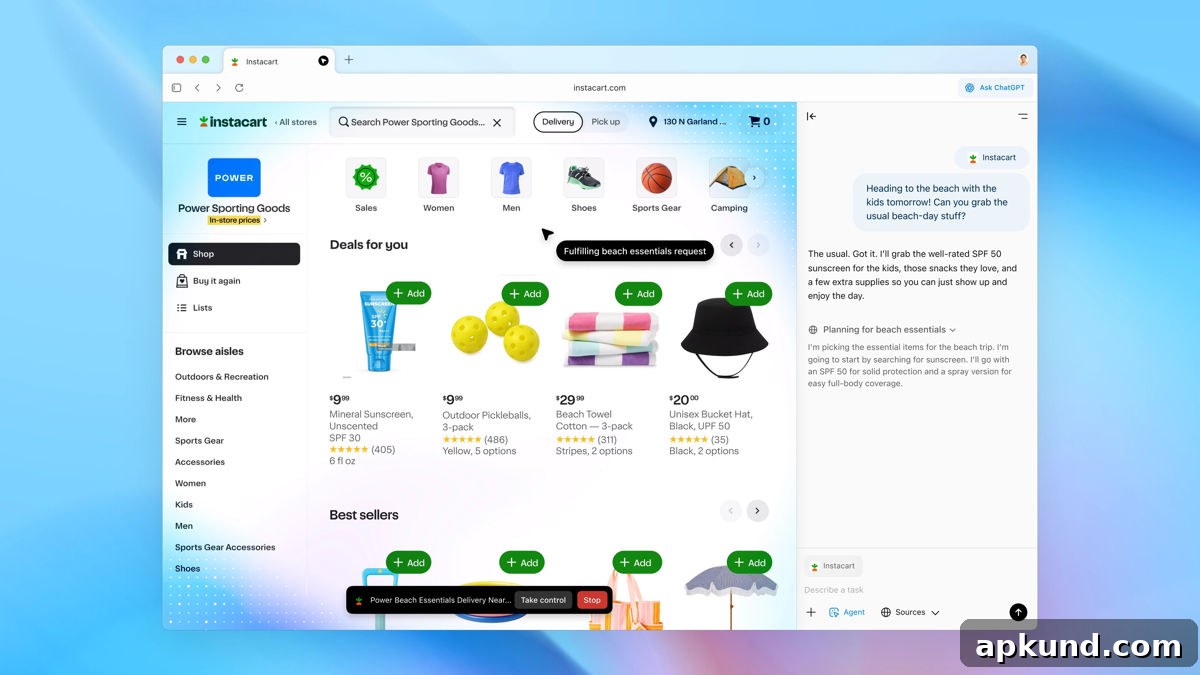
Nine months. That’s how long OpenAI’s standalone browser lasted before the company decided to discontinue it. The ChatGPT Atlas shutdown is now official: OpenAI has confirmed the app will stop working on August 9.
OpenAI announced the decision through James Sun, the executive who led its browsing efforts, in a post on X. The company is retiring Atlas as part of a broader rollout tied to the GPT 5.6 update. That update introduces a new ChatGPT desktop application that includes an integrated browser with tabs, a password manager, and autofill functionality. OpenAI is also releasing a side chat extension for Chrome and a cloud-based browser feature for its Work agents, which will allow agents to complete tasks remotely.
Sun said the team used insights from Atlas users to shape these new features, though he did not provide detailed specifics. If you are still using Atlas, you have a few weeks to transition away from the app: the shutdown timeline gives users until August 9 to prepare. OpenAI has indicated it will share further details through the ChatGPT app and via email in the coming days. Initial reports suggest bookmarks may be exportable to Chrome and that saved passwords will be migrated into the new desktop app, easing the move for existing Atlas users.
Why OpenAI Is Pulling the Plug on Atlas
Atlas launched in October with a different approach: instead of attaching AI features onto an existing browser, it placed ChatGPT at the center of the browsing experience. Features such as Agent Mode aimed to automate tasks like booking appointments, while Browser Memories allowed the system to recall details across sessions. The concept was to reimagine browsing around an AI-first interface rather than tacking AI functionality onto a traditional browser layout.
But Atlas faced increasing competition from established browsers that integrated similar AI tools directly into their platforms. Chrome, for example, has steadily expanded built-in AI features, including an AI sidebar and other enhancements, making it easier for users to access comparable functionality without switching browsers. That pressure made it harder for a separate, standalone browser to attract and retain a broad user base: why download a new browser when your current one keeps adding similar capabilities?
The decision to discontinue Atlas follows a pattern of OpenAI retiring standalone experiments that overlap with features folded into more widely used products. Earlier in the year, OpenAI discontinued other experimental apps and shelved certain planned features as part of efforts to focus resources where they reach the most users. Standalone apps face an uphill challenge when major platforms continue to integrate AI directly into everyday tools.
For Atlas users, the practical takeaway is to prepare for the transition. OpenAI’s stated migration plan appears aimed at making the switch smoother: bookmarks and saved credentials are expected to be transferable to other environments provided by OpenAI or to mainstream browsers. Users should watch for the forthcoming communications in the ChatGPT app and their email for precise instructions on exporting data and moving saved information to the new desktop app or to other supported platforms.
Looking ahead, OpenAI’s consolidation of browsing features into the main ChatGPT desktop app and browser extensions signals a strategic shift. By embedding AI capabilities into apps and extensions people already use, the company can reach a larger audience without asking users to adopt a separate browser. This approach reduces friction for mainstream adoption and allows OpenAI to focus development on integrated experiences rather than maintaining multiple standalone products.
In short, Atlas’s closure reflects the broader reality of AI product development today: features that prove useful are more likely to survive when they are integrated into existing, widely used platforms. Users of Atlas should take the necessary steps to export or migrate their data before August 9 and expect OpenAI to provide additional guidance as the transition proceeds.