
Meta, the parent company of Facebook, has officially launched Muse Image, a new image-generation model created by Meta Superintelligence Labs. Integrated into Meta AI, Muse Image enables users to generate images from text prompts and then download or share those creations. The tool builds on Meta’s previous image tools and aims to make image generation more accessible directly within the company’s product ecosystem.
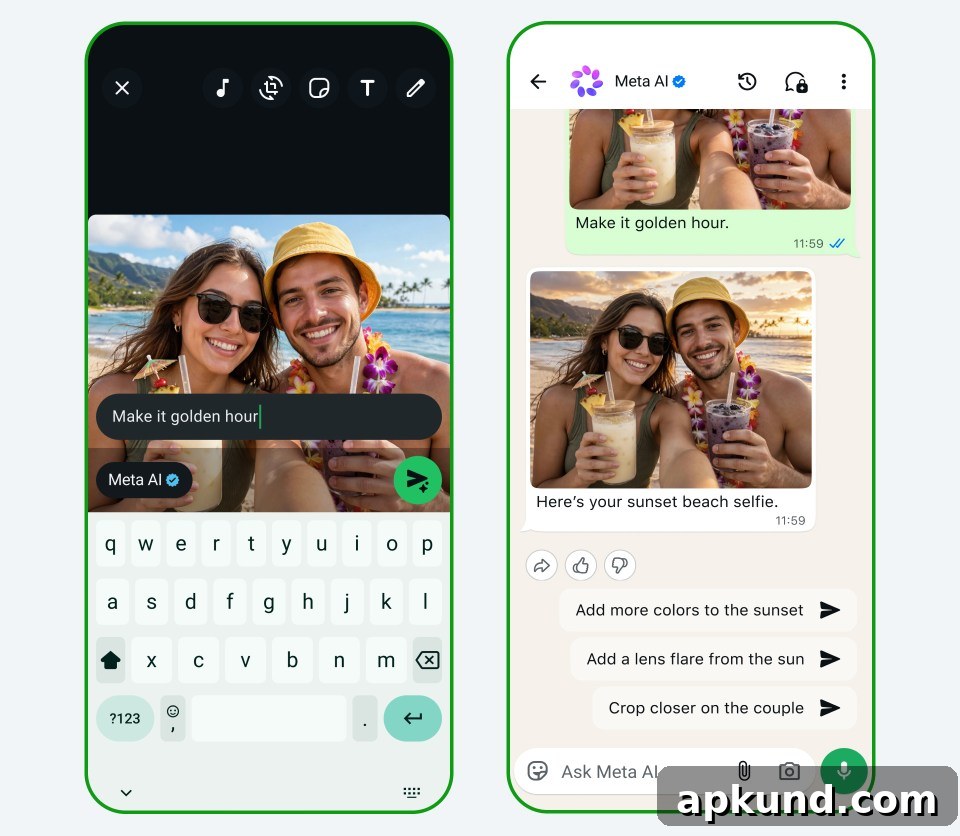
According to Meta, Muse Image expands on the capabilities introduced with Muse Spark. Like Muse Spark, the new model supports collaborative workflows where users can “co-create” with the assistant using presets, @ mentions to incorporate personal photos, and simple sketch-based edits applied directly to images. These controls are designed to let users refine generated images more intuitively, combining automated generation with hands-on adjustments.
One important detail to note is that Muse Image provides “inspiration” images taken from public Instagram content. These sample images are intended to help users refine prompts and visualize possible styles or compositions. However, this feature is turned on by default, and Meta states that creators are not notified when their public Instagram content is used by the AI to generate those inspiration samples.
You’ll receive a notification if a public account reuses your content for remixes, sequences, stickers, templates. You will not be notified about content created using AI features at Meta.
Meta points out that users can opt out of having their public Instagram posts included as inspiration sources, but because the setting is enabled by default many accounts may be included unless they change their privacy controls. The lack of notifications for AI-generated reuse is a notable difference from the way some other types of reposts or remixes are handled, and it underscores the importance of reviewing account settings if creators want to limit how their public content is surfaced to AI tools.
Meta has also said that Muse Image will be expanded beyond its initial Meta AI integration. The company plans to make the model available through Facebook and Messenger, and to add support for its Advantage+ creative platform for advertisers. That broader rollout signals an intent to bring image generation into a range of surfaces and workflows across Meta’s family of apps, both for consumer creation and for business advertising use cases.
For users and creators, there are a few practical takeaways:
- Check privacy settings on Instagram if you do not want your public content to be used as inspiration for AI-generated images. Opting out is possible, but it requires action because the default includes public posts.
- When using Muse Image, be mindful of how you combine personal photos, presets, and sketches; these tools are intended to streamline creative workflows, but generated outputs still reflect the inputs and choices you provide.
- Creators interested in advertising or broader reach should watch for the planned integration with Advantage+, which could simplify producing ad creatives powered by the Muse Image model.
The rollout of Muse Image represents a continuing trend of major tech companies integrating generative AI directly into social and communication platforms. While these tools provide new creative possibilities, they also raise questions about content reuse, notification practices, and how public material may be repurposed. Meta’s choice to make inspiration images discoverable from public Instagram posts—combined with an opt-out model and no notification for AI reuse—means creators who want to control the use of their work should review settings and guidance published by Meta.
As Muse Image becomes available across Facebook, Messenger, and Meta’s advertising tools, both everyday users and creative professionals will likely evaluate how the model fits into their workflows. Whether for casual image creation, collaborative storytelling, or producing ad assets, Muse Image aims to offer a flexible set of generation and editing features while prompting ongoing discussion about responsible use and creator rights in the age of AI-assisted media.