
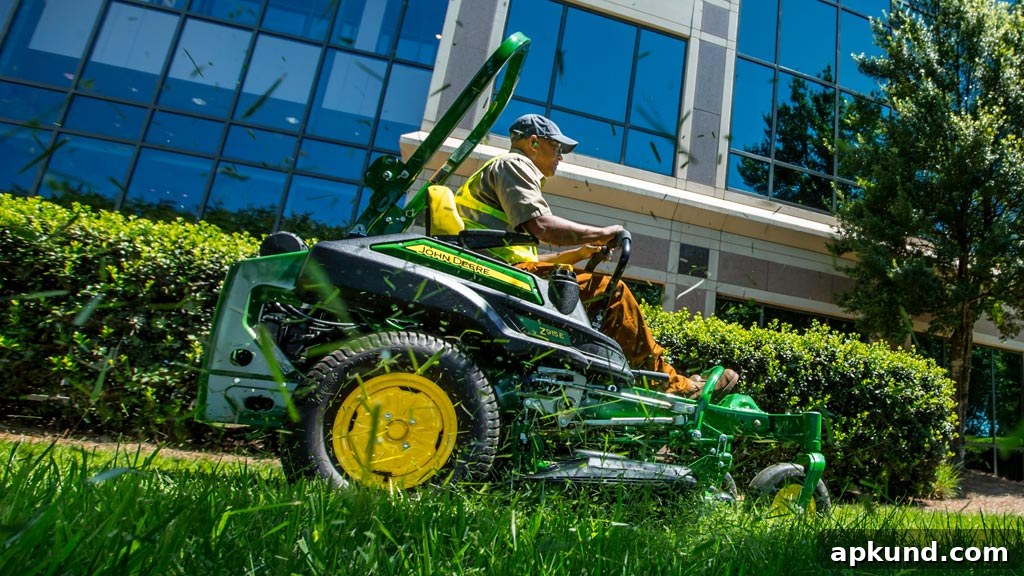
Tires aren’t glamorous, even on a lawn mower. Most people don’t notice them until the mower stops performing well. When that happens you may find the tread is worn away or the sidewall is damaged. These issues are often the result of poor tire care, but they’re avoidable if you know what to look for and how to replace mower tires when needed. Below is a clear, practical guide to help you spot problems, prepare for a tire change, and extend the life of your mower’s tires.
Common Signs to Look Out For
There’s no single rule for when to replace lawn mower tires. It depends on how you use and store the mower, how often you run it, and the terrain you cover. Still, several common signs typically indicate it’s time for new tires.
-
Dry Rot
Dry rot, sometimes mistaken as an issue only for wood, affects rubber too. Tires exposed to sunlight, heat, and oxygen over time can develop cracks in the sidewalls. These cracks are a clear sign the rubber has deteriorated and the tire should be replaced to avoid sudden failure while mowing.
-
Tread Wear
Good tread is essential for traction, especially on slopes or wet grass. If the tread pattern has become smooth or worn away across much of the tire surface, grip will be reduced and handling will suffer. Worn treads increase the risk of slipping and leave uneven cut lines, so replacement is recommended when tread no longer provides reliable traction.
-
Wobbling
A wobbling mower isn’t always due to a loose axle. Tires with sidewall bulges or uneven wear can cause wobble and vibration. Bulges usually indicate internal tire damage or incorrect inflation and should be treated as a safety issue. Wobbling also leads to scuff marks and uneven mowing patterns.
-
Frequent Loss of Air Pressure
Tires naturally lose a little pressure over time, but persistent, unexplained air loss suggests the tire is no longer sound. Repeated flats or slow leaks—after checking the valve stem and patching obvious punctures—mean the tire is worn and should be replaced rather than repeatedly repaired.
What to Keep Handy Before You Begin
If you decide to replace tires yourself, gather the proper tools first. Having everything ready saves time and reduces the chance of mistakes. Typical tools and supplies include:
- A jack or jack stands rated for your mower’s weight to safely lift and support it.
- A socket set or lug wrench that fits your wheel nuts.
- A valve core tool to remove the valve core and fully deflate the tire.
- Tire levers or a sturdy flathead screwdriver for breaking beads if you will replace only the tire and not the full wheel.
If you’re replacing the entire wheel assembly instead of just the tire, you can skip bead-breaking. Swapping full wheels is generally quicker and simpler.
How to Replace the Tire
Follow these step-by-step instructions to change a mower tire safely and correctly:
- Engage the parking brake and park the mower on a flat, stable surface to prevent rolling.
- Loosen the lug nuts slightly while the wheel is still on the ground so they don’t spin when the wheel is off the ground.
- Use the jack to raise the mower until the wheel you’re working on is off the ground, then support the mower securely with jack stands if available.
- Remove the lug nuts and take the wheel off the axle.
- If replacing just the tire, remove the valve core to deflate the tire completely.
- Use tire levers to break the beads from the rim and work one bead off at a time around the circumference.
- Remove the old tire, position the new tire on the rim, and use the levers to seat the beads carefully without pinching the tube (if applicable).
- Inflate the new tire to the recommended PSI printed on the tire sidewall; avoid over- or under-inflation.
- Reinstall the wheel on the axle, hand-tighten the lug nuts, then lower the mower so the tire bears weight.
- Torque the lug nuts to the manufacturer’s recommended specification with the mower on the ground to ensure proper seating and safety.
Some Best Practices to Extend Tire Life
You can cut down on how often you replace tires by adopting a few simple habits. These practices help preserve rubber, maintain traction, and reduce the risk of sudden failure.
- Check tire pressure regularly and keep it at the recommended level for your mower model.
- Avoid exceeding the mower’s weight capacity to prevent excess stress on tires and rims.
- Store the mower in a shaded or covered area, away from direct sunlight and extreme heat.
- Inspect tires often for punctures, cuts, cracks, bulges, and abnormal wear so you can address small problems before they get worse.
Wrapping Up
Knowing the signs of tire wear and having the right tools makes replacing mower tires straightforward. Early detection keeps problems small, and a timely tire replacement improves safety, traction, and the quality of your mowing. With a little attention and routine maintenance, your mower’s tires will last longer and perform reliably season after season.