
WhatsApp users are in for a treat — the messaging platform recently announced a series of usability updates designed to make conversations and daily workflows smoother across devices. The company highlighted improvements that respond to how people actually live and switch between devices, and the updates focus on expanded device independence, better document handling, improved in-car experiences, and simpler ways to share music.
Your most important conversations don’t just live on your phone anymore. You’re catching up with friends from the couch on your iPad, checking in with family on the drive home, and switching between many different apps to manage your work and day.
That’s why WhatsApp has been working with partners to make the app fit seamlessly with the other apps you use and across your devices, so that WhatsApp can keep up with how you actually live.
One of the headline additions is full account creation on iPad. Previously, iPad users needed to link their account to a primary smartphone to use the app. With the update, people can now set up a new WhatsApp account directly on an iPad without first pairing to a phone. This change addresses one of the most requested features since the standalone iPad app launched and gives users a true tablet-first option for messaging, calls, and media sharing.
Document handling also gets a meaningful upgrade. Desktop and web users can preview PDF files inside chats and make quick edits without leaving the conversation. This functionality is provided through an integration with Adobe Acrobat, enabling annotation and light edits inline. For professionals and students who frequently exchange contracts, reports, or school materials, the ability to view and mark up PDFs directly in WhatsApp reduces friction and keeps collaboration moving faster.
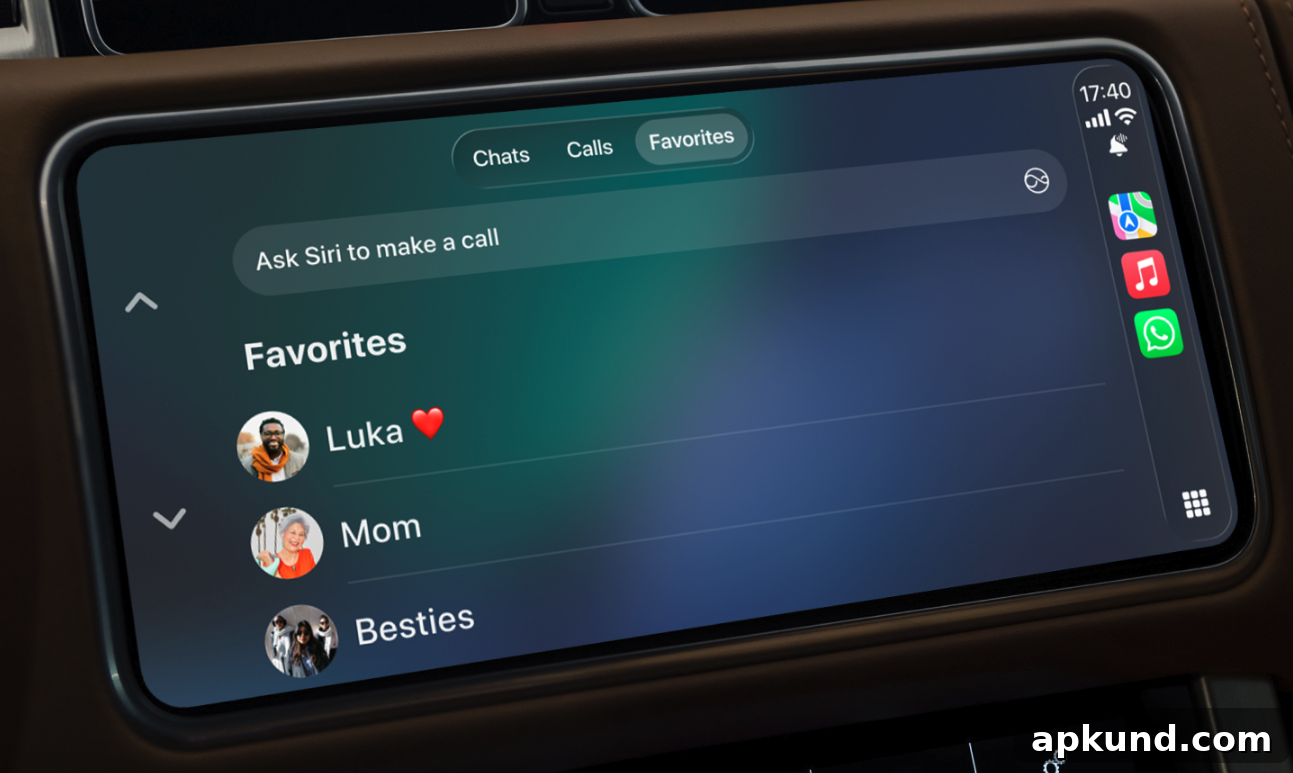
WhatsApp’s in-car experience has been redesigned for both Apple CarPlay and Android Auto. The update delivers a cleaner audio experience and deeper integration with vehicle displays. Drivers can now access recent call history, reach favorite contacts, and send or receive messages hands-free using their car’s native interface. The goal is to minimize distraction while still letting people stay connected on the road, with voice and simplified controls that align with each platform’s safety standards.
Social sharing gets a musical boost as well. Users can now post music clips directly to their WhatsApp Status from streaming apps like Spotify and Apple Music. Rather than copying links or screenshots, you can share a track so friends and family can tap to preview the song and see what you’re listening to. This makes status updates more expressive and helps music discovery within your existing circle.
Beyond these headline features, the update emphasizes cross-device continuity and interoperability with other apps you rely on every day. WhatsApp’s approach is to reduce context switching: fewer app hops, fewer steps to share or edit content, and more seamless transitions between phone, tablet, desktop, and car. For teams, families, and casual users alike, these improvements remove small but recurrent friction points that interrupt workflows or conversations.
From a practical standpoint, the iPad account creation opens new use cases: tablets used in shared family spaces can host primary accounts for household messaging; creatives and students can keep a dedicated tablet account for lessons and collaboration; and professionals who prefer a larger screen for calls or document review can use an iPad as a primary device. The PDF preview and edit tools speed up approvals and feedback cycles by keeping documents in the chat flow rather than forcing attachments to travel across multiple apps.
For commuters and drivers, the enhanced CarPlay and Android Auto support means safer, more capable interactions. Accessing recent calls and favorite contacts from the car display saves time and reduces the need to manipulate a phone while driving. And since the audio handling has been tuned for these platforms, voice calls and voice messages should be clearer and more reliable in transit.
Finally, the integration with popular music services makes status updates more engaging and more immediate. Sharing songs directly from a streaming app brings the social side of music into WhatsApp without extra steps, encouraging more spontaneous and culturally relevant sharing among friends and contacts.
Overall, these updates reflect a broader trend toward device- and context-aware messaging: apps that understand people use multiple screens throughout the day and need features that move with them. WhatsApp’s recent improvements aim to reduce friction, enhance collaboration, and make everyday messaging fit more naturally into how people work, commute, and socialize.