
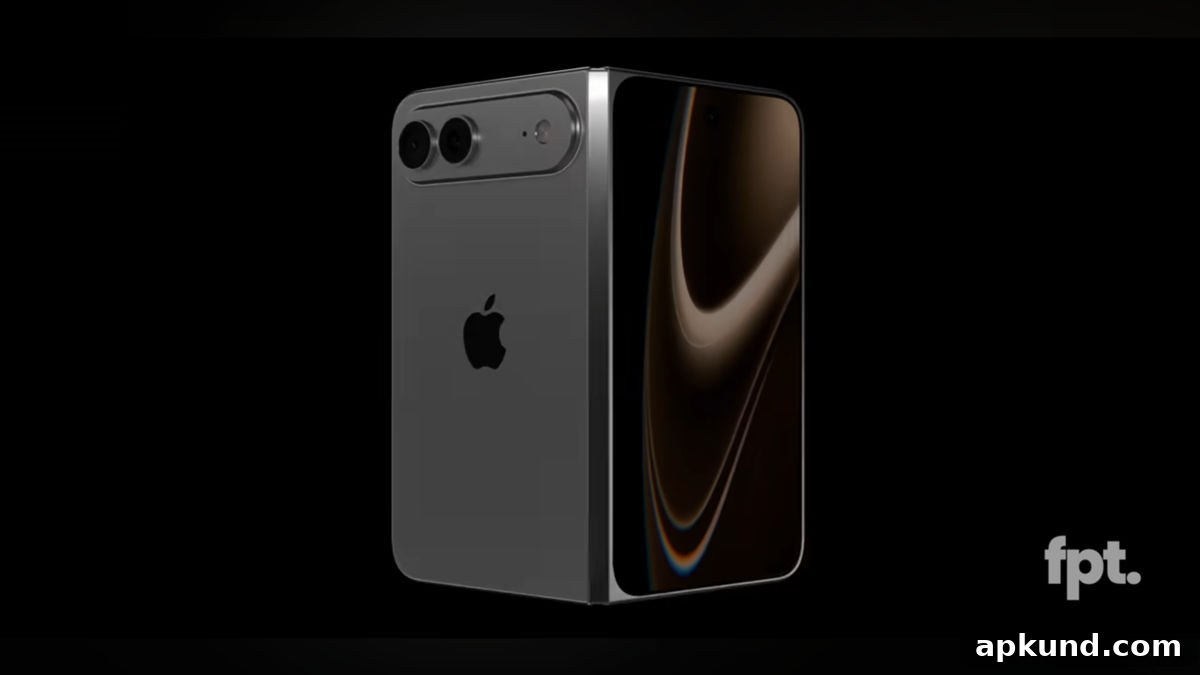
Every few weeks this year a new report claims the iPhone Ultra is facing trouble, and then a few weeks later fresh coverage suggests everything is back on track. The latest round of delay rumors has restarted that familiar cycle, but there are solid reasons not to assume the worst just yet. The pattern of contradictory stories is partly a symptom of how complex foldable-phone development is, and partly a result of a busy supply chain with many different sources that occasionally leak incomplete or premature information.
According to DigiTimes, Foxconn is reportedly making what it described as final adjustments to the manufacturing process for Apple’s first foldable iPhone. The primary concerns are the hinge mechanism and the durability of the folding display — the same two areas that have appeared in nearly every prior report about this device. DigiTimes notes it’s unclear whether the issues require only a few days or a few weeks to resolve, and that uncertainty is exactly what fuels the rumor mill.
This situation isn’t entirely new. Earlier this year, notable industry reporters pushed back on claims that the foldable had severe delays. In April, some outlets suggested the project was in trouble, but follow-up coverage indicated the device remained on schedule. In fact, Apple has increased its production target for the model several times, moving from an initially reported figure up through higher estimates. That kind of ramp-up — raising planned production from seven or eight million units toward roughly ten million — is more consistent with growing confidence in the manufacturing process, not a product collapse behind closed doors.
Why these reports keep resurfacing
Foldable phones are simply harder to manufacture than standard slab-style phones. The components that bend or move must tolerate thousands of cycles, resist debris and dust, and maintain a flawless appearance when folded and unfolded. The hinge and the flexible OLED display present the smallest margins for error. Even minor changes to hinge tolerances or display materials can lead to additional rounds of testing and tweaking, and those incremental adjustments are frequently reported as “delays” by outlets that only see a snapshot of the process.
On top of the technical challenges, the supply chain for cutting-edge devices includes many suppliers and subcontractors. Different suppliers may brief different journalists or analysts at different times, creating a scattershot of stories that don’t always align. That environment explains why the same concerns — hinge durability and display longevity — recur in news cycles: they are the native pain points of any foldable design and therefore attract the most attention.
None of this means the most recent report is necessarily baseless. Manufacturing adjustments close to a launch are meaningful and worth monitoring. Industry watchers already expect initial supply to be limited for a new, complex product like a foldable iPhone; tight early availability is the norm rather than the exception. But there’s an important distinction between “final adjustments” and an outright launch delay. The former describes last-stage refinements that can be resolved quickly, while the latter implies a broader setback that impacts shipment dates and marketing plans.
Apple’s actions this year — including boosting production targets and continuing to prepare marketing and retail plans — point toward confidence rather than crisis. That doesn’t guarantee everything will go perfectly, but it does reduce the likelihood of a wholesale cancellation or a long-term postponement. More likely scenarios include localized quality checks, slight shifts in initial shipment volumes, or short delays for some manufacturing lines while others proceed.
Expect the iPhone Ultra delay rumors to resurface again before the official launch window in September. Events like these tend to generate fresh speculation as different supply-chain nodes report new data. The safe bet for readers and potential buyers is to watch for official announcements and launch details from Apple. The event schedule itself still appears secure; the more important question over the coming weeks will be whether the phone ships in meaningful quantities immediately or whether supply is constrained in the first months.