
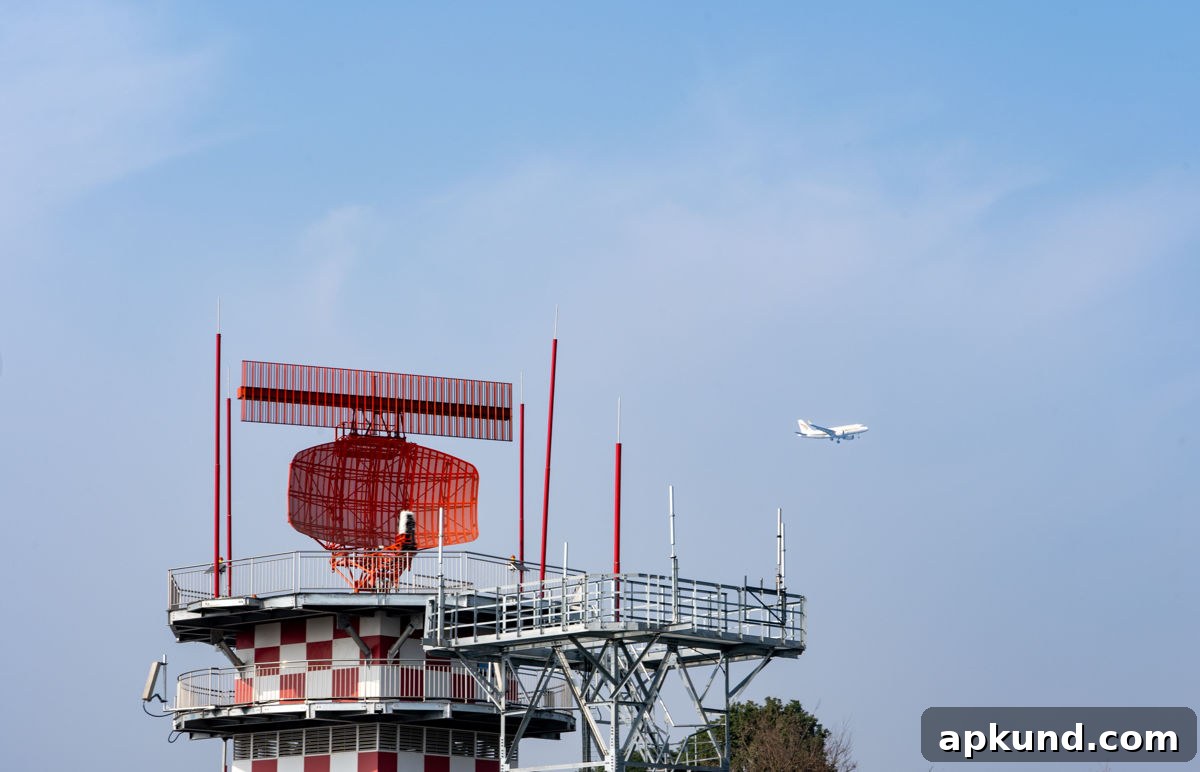
The government recently announced it has hired more than 2,000 video gamers to train as air traffic controllers, and officials say the initiative is already outperforming expectations. The move is part of a broader effort to address a persistent staffing shortfall in the nation’s air traffic control workforce.
Why the FAA Looked to Gamers
Air traffic control has faced staffing challenges for years. A wave of retirements combined with slower recruitment left many facilities operating below optimal staffing levels, contributing to flight delays at major airports. In response, the Federal Aviation Administration launched an unconventional recruiting campaign aimed at people who play video games.
The FAA’s message focused on skills common to both gaming and air traffic control: fast decision-making, sustained concentration under pressure, and the ability to track multiple moving elements simultaneously. Those capabilities are cultivated by competitive multiplayer titles, real-time strategy games, and flight simulators—activities that require situational awareness, rapid information processing, and calm problem-solving during intense moments.
Transportation leadership has touted the results. Officials report the campaign helped the agency reach roughly 94% of its 2026 hiring goal, marking one of the quickest improvements in hiring pace the agency has seen in recent years. More than 2,000 recruits are now in the pipeline, many moving toward the FAA’s training academy faster than previous classes.
Does Gaming Really Prepare Someone for the Tower?
At first glance, recruiting gamers for a safety-critical role like air traffic control might seem surprising, but the idea is not entirely new. Previous outreach efforts have targeted similar talent pools, and industry observers note significant skill overlap. High-performing gamers often develop intense focus, fast reflexes, teamwork, and the ability to prioritize under pressure—attributes that translate well to the cognitive demands of controller work.
The FAA emphasizes that recruits from gaming backgrounds are not put directly into operational roles. All new hires must complete the agency’s full academy training and certification before they can manage live traffic. Training remains rigorous and standardized, designed to ensure each controller meets the same safety and competence standards regardless of prior experience.
To support the recruitment push, the FAA is also expanding training tools and resources. Simulators and other practical training systems are being used more widely across the agency’s network of facilities, providing realistic practice environments where new trainees can build the specific procedures, communication skills, and situational judgment required for the job.
What This Means for Air Travelers
The FAA’s broader staffing target remains a long-term challenge. The agency seeks a fully certified workforce numbering significantly more than it currently employs, and although the new hires represent major progress, staffing gaps still exist. At present, thousands of controllers are on the job while many more remain in various stages of training.
If recruitment continues at the current pace and trainees successfully complete their certification, travelers could eventually see fewer delays that stem from controller shortages. Improved staffing can enhance operational resilience at busy airports and reduce the need for emergency staffing measures that sometimes disrupt schedules.
For individuals who have spent years gaming and wondered whether those hours translate to real-world opportunity, the FAA’s program offers a clear answer: certain gaming-honed skills can be an entry point into a demanding and highly structured profession. While additional training and assessment remain essential, the initiative broadens the pool of potential applicants and introduces new pathways into a vital public service.