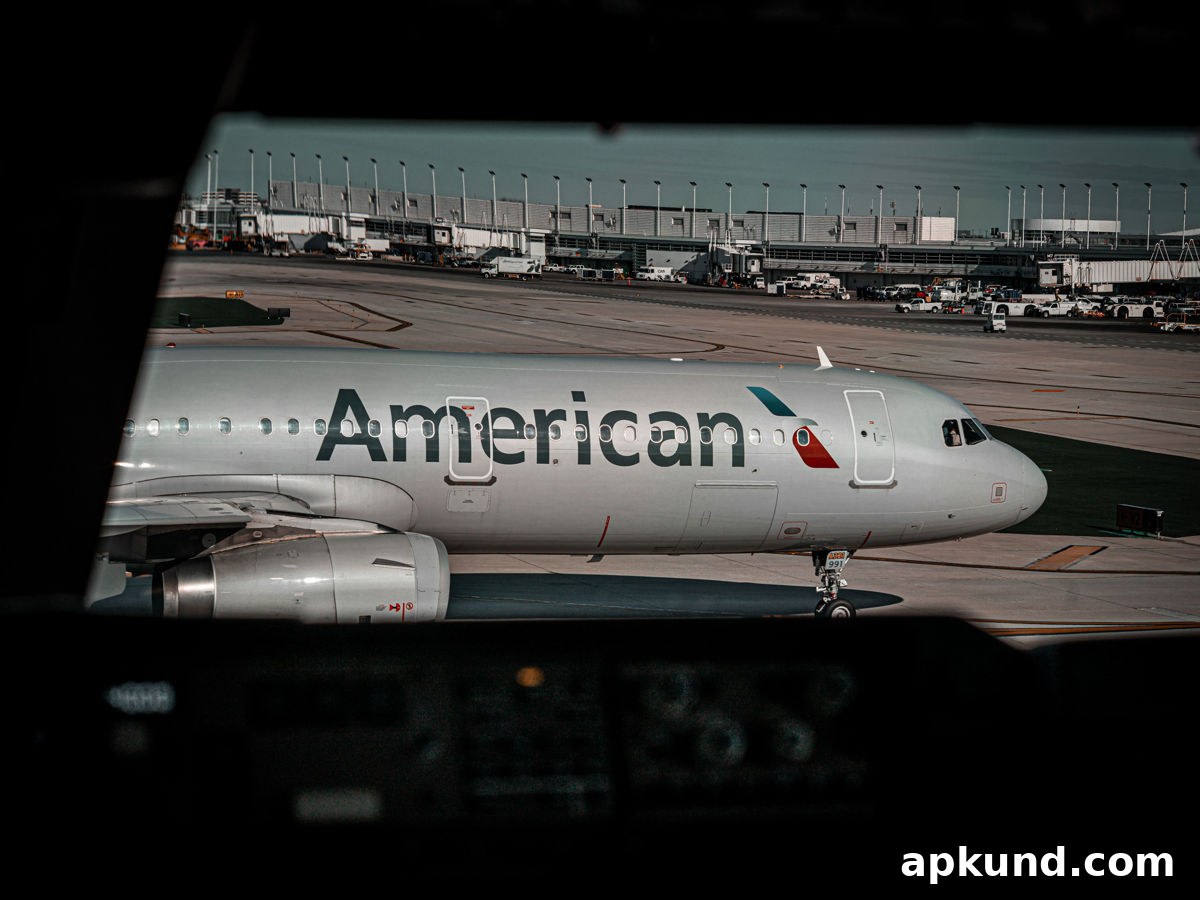
American Airlines introduced automated tools meant to smooth connections and reduce delays, but passengers report the opposite: the airline’s AI has been removing travelers from flights they reached on time and rebooking them without prior notice. Gate agents are often powerless to reverse these changes once they’ve been made. On the bright side, affected travelers may be entitled to monetary compensation under federal rules.
Even when you do everything right—check in, arrive at the gate on time, and hold a confirmed seat—you can still find your reservation changed. The airline’s automation can predict who might miss a connection and assign that seat to someone else before the passenger has actually missed anything. That means arriving at the gate within the usual window doesn’t guarantee you’ll board as planned. Instead of a text or email asking for confirmation, the change may only be revealed in person at the gate, where your seat is already gone.
Washington Post columnist Marc Thiessen described such an experience in Chicago. His inbound flight landed with enough time for a connection, yet American Airlines had already rebooked him onto a later flight without notifying him. Media consultant Beverly Hallberg reported a similar situation the previous day and had to call the airline’s ticket office to restore her original itinerary.
When automation skips the easy fix
American Airlines calls the primary tool AURA, short for Automated Reaccommodation. It was launched in 2023 to reduce the manual work gate agents do when passengers are delayed or connections are tight. A newer layer, known as Connect Assist, was added in 2025 to further streamline rebooking. This automated setup has recently been expanded at major hubs, including Chicago, Miami, Philadelphia, and Phoenix.
On paper, the logic is clear: freeing up a seat as soon as a traveler looks likely to miss a connection should reduce the number of empty seats and shorten lines of passengers waiting to be rebooked. In practice, however, the problem is that there is often no human checking the AI’s decision before it takes effect. The system is not required to notify a passenger before reassignment. A simple preemptive message—an email or text asking whether you are still en route—would prevent many of these mistaken reassignments. Instead, the reassignment is discovered at the gate, creating stress and confusion for passengers who arrived on time.
Because gate staff frequently cannot undo the AI’s automated changes, travelers can be left with limited options: accept the new itinerary, wait for a later flight, or escalate the issue by contacting ticketing or customer service. For many passengers, the inconvenience is compounded by the lack of proactive communication and the time required to resolve the booking error.
If you are involuntarily removed from a flight you reached on time, federal rules may entitle you to compensation. The Department of Transportation’s oversales and involuntary bumping regulations apply when a passenger has checked in, holds a confirmed seat, and has reached the gate at least 15 minutes before departure. If the involuntary rebooking results in an arrival more than two hours later than scheduled, you may qualify for compensation—potentially up to $2,150 depending on the delay and circumstances.
Airlines are supposed to offer that payment promptly, ideally at the airport the same day. In practice, carriers rarely volunteer information about compensation, so passengers should ask for it explicitly and, if necessary, file a formal complaint with the Department of Transportation to pursue the payment. Keep any documentation of check-in, boarding pass timestamps, and conversations with gate agents or customer service to support your claim.
Until American Airlines adjusts its processes—such as adding a mandatory notification step before reassigning seats—travelers should remain vigilant. Arrive early, monitor your flight closely, and if you receive or discover a rebooking you did not authorize, insist on a clear explanation and inquire about your rights to compensation under federal rules.