

Despite packing some impressive technology, Meta’s AI-powered glasses have been marred by misuse. Reports of covert recording and inappropriate behavior led many people to label them “spyware” or even “pervert glasses.” In response, Meta has released a software update aimed at preventing people from secretly filming others in public.
Previously, the glasses would refuse to start video capture if the built-in LED indicator was covered. Still, some users found ways to bypass that protection by blocking the light after recording had already begun. With the latest update, the camera now automatically shuts down if the LED becomes obscured during an active recording. This change closes a common loophole that allowed recordings to continue even after the indicator was hidden.
This is the second privacy-focused patch Meta has issued in less than two months. An earlier update disabled the camera entirely if the LED was detected to be physically damaged. Alex Himel, Meta’s VP of AR, announced the new fix on Threads as the company faces increasing public pressure over incidents of bystanders being secretly filmed or harassed. Since launch, concerns about misuse have been a persistent problem for the product.
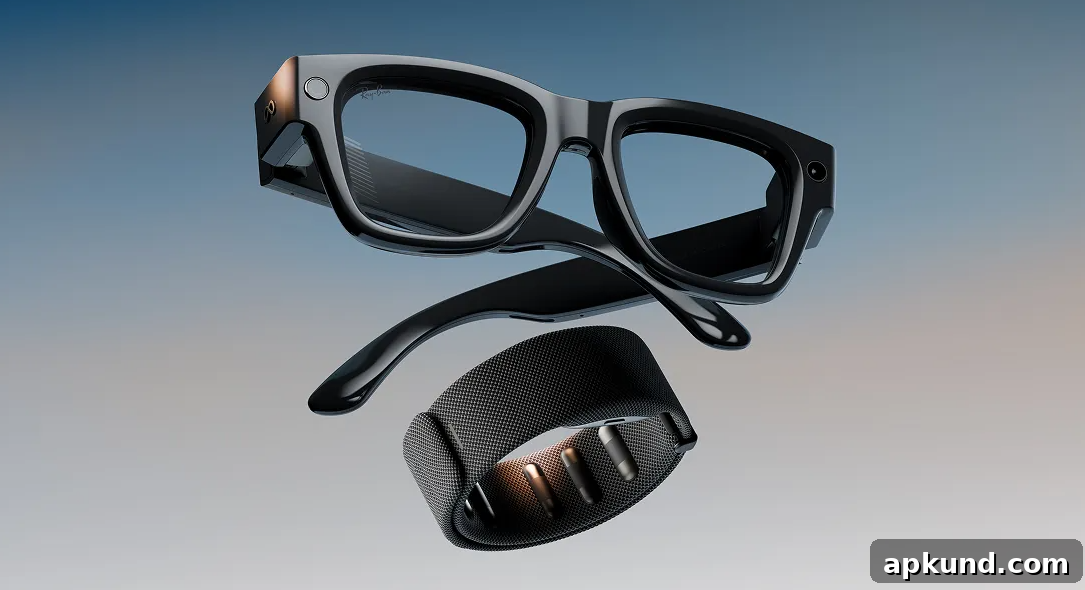
Beyond software updates, Meta is taking steps across its platforms to limit misuse. Instagram has been removing or banning accounts that share videos tied to covert recording with the glasses. Still, the company faces an ongoing market for inexpensive accessories that aim to block the LED silently without triggering the device’s sensors, a challenge that software patches alone cannot fully eliminate.
To complement technical and moderation efforts, Meta has launched a public awareness campaign in cities where the glasses are widely used. The campaign opened in Los Angeles with billboards stressing that the device is “designed for everyone” and “not just the people wearing them,” accompanied by an image of the illuminated recording light. Meta maintains that only a small fraction of users are abusing the technology, and the campaign is intended to reassure the public and encourage responsible use.
Authorities and public institutions have also reacted. In the United Kingdom, His Majesty’s Courts & Tribunals Service (HMCTS) announced new security procedures that require visitors to surrender Meta eyewear before entering judicial buildings to prevent covert recording in courtrooms and other sensitive areas. Confiscated devices are returned to visitors when they leave the premises.
The combination of software safeguards, platform moderation, and public outreach reflects Meta’s multipronged approach to addressing privacy concerns tied to wearable cameras. Software updates that detect LED obstruction provide an important technical barrier against covert recording, but they are only one part of the solution. Robust enforcement on social platforms, better public education, and cooperation with public institutions help reduce real-world misuse.
Still, the situation highlights broader challenges for the industry. Wearable devices with integrated cameras and always-on sensors create new privacy risks that demand ongoing attention from manufacturers, regulators, and users alike. Effective design can limit abuse: visible indicators, fail-safe shutdowns, and tamper-detection features reduce opportunities for covert recording. At the same time, manufacturers must stay vigilant as attackers and opportunistic sellers adapt with accessories or workarounds.
For consumers, the developments underline the importance of responsible ownership. People who buy camera-equipped wearables should be mindful of local laws and the privacy of others, and businesses and public venues must weigh appropriate policies for sensitive spaces. As Meta continues to iterate on its software and awareness efforts, the company says it will monitor misuse patterns and update protections as needed to better protect bystanders and restore public confidence in AR eyewear technology.
READ: Meta Agrees to Record $18B Settlement Over Child Harm Claims