
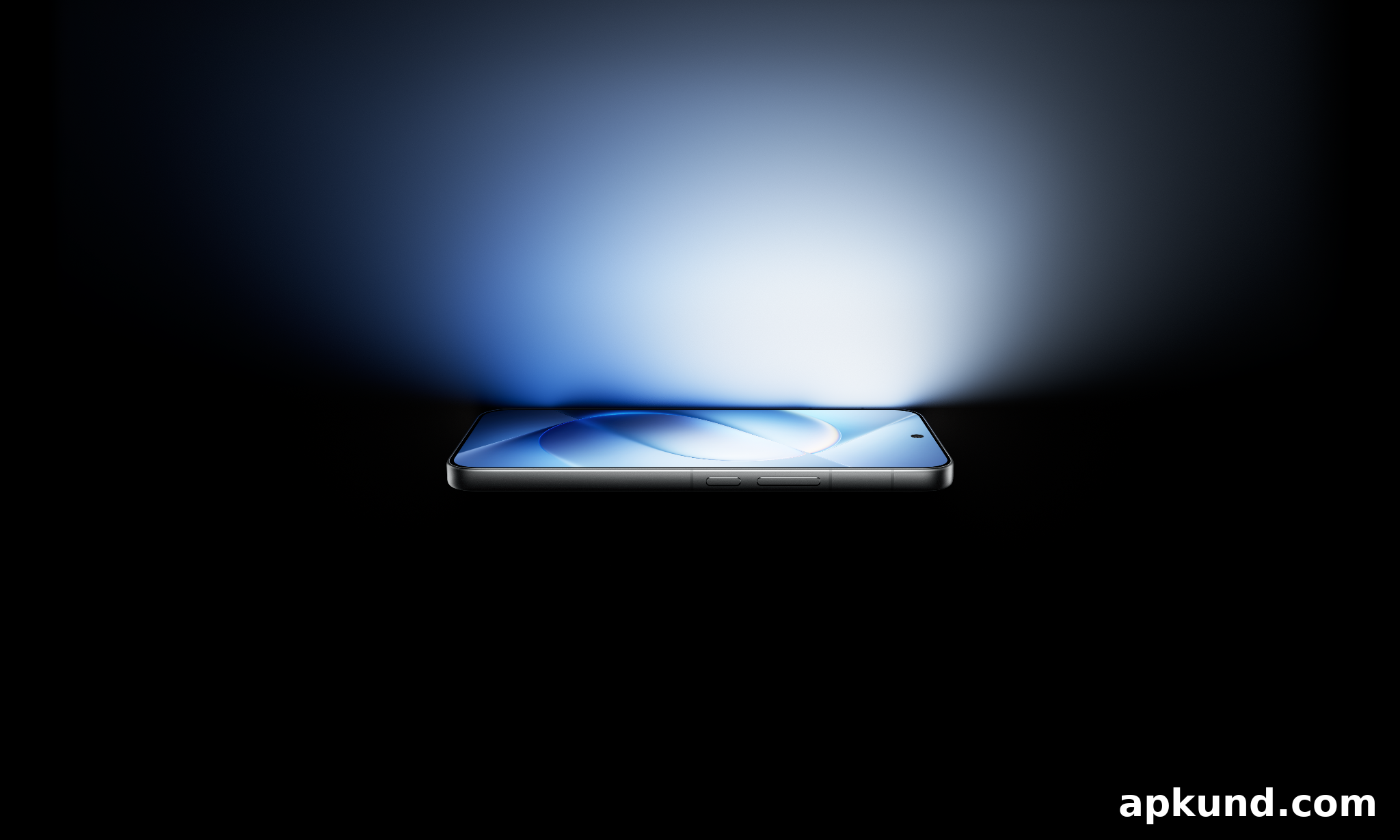
iQOO teams up with Samsung Display for the next generation of flagship Android displays
The upcoming iQOO 16 promises a meaningful leap in display technology. Rather than selecting an off-the-shelf panel, iQOO worked closely with Samsung Display to co-develop a new screen architecture aimed at removing common trade-offs. That collaboration targets real-world improvements for gamers and power users by combining Samsung’s panel expertise with iQOO’s performance-focused engineering.
At the core of this effort is Samsung’s latest M16 light-emitting material driving a 2K panel capable of up to 165Hz refresh. Running high resolution and ultra-fast refresh rates together is demanding: it stresses pixel circuits, wiring, and driver electronics. By creating the display from the ground up with Samsung Display, iQOO sought to address those stress points rather than adapt a generic panel to its hardware.
A deeper partnership raising the standards
The companies describe their work as the “Future Display Exploration Program,” a tighter integration that had iQOO engineers collaborating directly with Samsung Display’s designers, driver partners, and manufacturing teams. This hands-on approach allowed them to rethink OLED design choices to better support extreme performance demands, especially sustained high refresh rates and intense gaming workloads.
One tangible change is thicker internal metal wiring inside the panel—around a 10% increase in conductor thickness. That provides lower electrical resistance, improved signal delivery, and reduced long-term wear under rapid pixel switching. The joint development also replaced the conventional OLED polarizer with an advanced nanolithography-crafted filter layer branded LEAD™ technology. This filter allows more light to escape and reduces power consumption by roughly 4%, a meaningful saving in high-brightness, high-refresh scenarios where thermal efficiency matters.
The display also spreads energy across wider wiring paths and adds a dedicated driver-management chip, which together help the panel sustain a 165Hz refresh rate without accelerating degradation. The combination of M16 emitters, updated internal routing, LEAD™ filtering, and dedicated driver control is designed to create a display that performs exceptionally while staying efficient and durable.
The complete flagship package, with upgrades you can see
Beyond raw technical advancements, these display changes translate into tangible benefits. Text clarity and edge definition are improved at 2K resolution, scrolling is smooth and blur-free, and a reported peak brightness of 2,800 nits makes outdoor visibility excellent. iQOO’s Q-Flex touch solution complements the panel by reducing input lag with an instantaneous touch sampling rate claimed at 5,000Hz, aiming to provide more responsive controls for competitive mobile gaming.
A flagship screen is only one piece of a complete package, and iQOO appears to be matching it with high-end hardware. Reports indicate the iQOO 16 will likely include a flagship Snapdragon chipset and iQOO’s in-house Q4 display chip to manage advanced display features. Together, these chips should enable sophisticated graphics features such as improved mobile ray tracing and frame stability under heavy loads, though final specifications have not been confirmed by iQOO.
The rest of the phone is expected to reflect the flagship ambitions: a redesigned rear camera assembly centered on a triple 50MP sensor setup with a periscope telephoto option, ultrasonic in-display fingerprint recognition, and strong IP68/IP69 water resistance. There are also persistent rumors of a very large battery to support extended gaming sessions, which would complement the efficiency improvements of the new display.
By moving from a passive display buyer to an active co-creator, iQOO and Samsung Display are attempting to raise the bar for what a flagship phone screen can do. If the iQOO 16 delivers on these promises—combining high peak brightness, efficient power use, durable wiring, advanced filtering, and ultra-fast touch response—the result could push other smartphone makers to adopt similar display co-development strategies. That kind of competitive pressure benefits consumers by accelerating adoption of higher-performance, longer-lasting screens on flagship Android devices.