
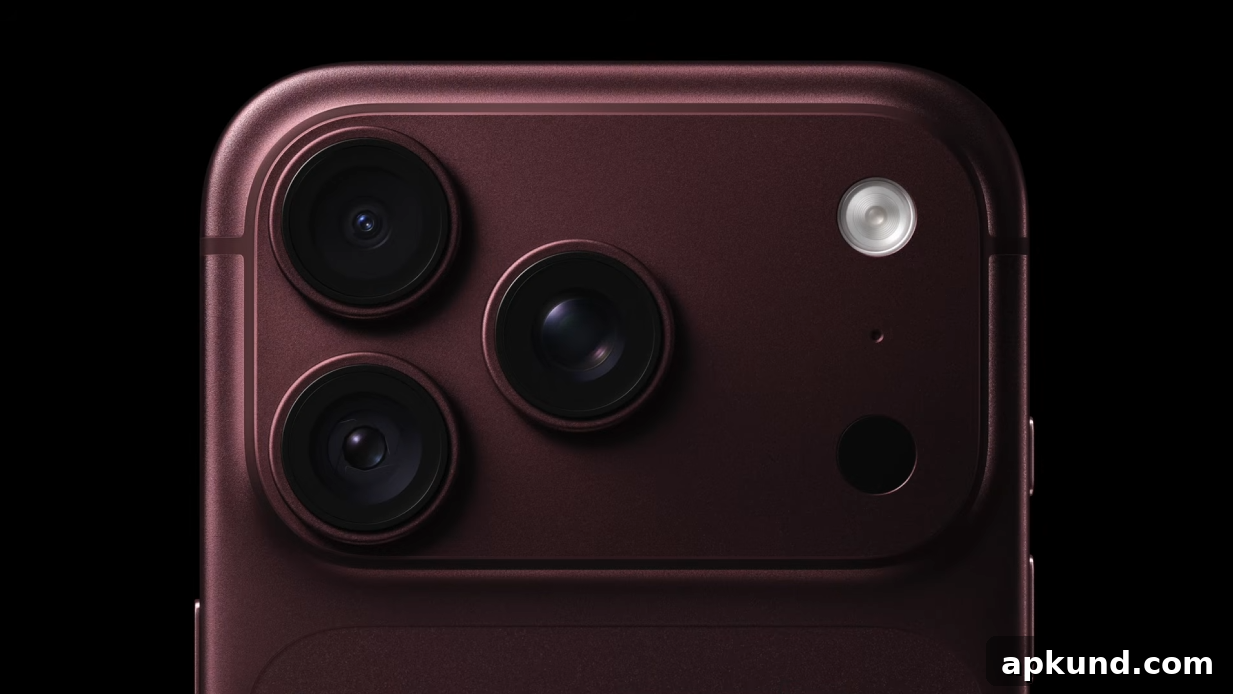
If you plan to buy an iPhone in 2027, be prepared to pay more. Apple has reportedly agreed to a new, higher-priced memory supply deal with Samsung, a development that makes another round of iPhone price increases next year very likely. This change matters because it affects one of the core cost components inside every iPhone: the memory that powers apps, multitasking, and storage for photos and video.
Apple already bumped iPhone prices earlier this month, raising the baseline price across its lineup. The memory deal with Samsung suggests that earlier increase may not be a one-time adjustment but rather part of an ongoing trend. As memory component costs rise, those increases are increasingly being passed along to consumers when companies refresh their product lines.
According to reporting from industry sources, Apple has agreed to pay roughly $2 per gigabyte for RAM chips and about $0.33 per gigabyte for NAND flash storage under the new agreement. That represents a significant percentage increase over recent prices and is scheduled to take effect in the first quarter of 2027. To put that into perspective, an entry-level iPhone configured with 12GB of RAM and 256GB of flash storage would now cost Apple more than $100 solely for those memory components. That figure comes before the cost of the A-series or custom chips, display panels, cameras, battery, assembly, logistics, and other components that make up the final retail price.
This is not the first time rising memory costs have translated into higher prices for Apple products. Earlier this year, the company raised prices on several Mac and iPad configurations, and certain higher-end builds saw substantial price increases. Most recently, Apple quietly adjusted pricing on multiple existing iPhone models without changing the hardware, raising many of them by roughly $100. Those moves underscore how component cost pressures can quickly ripple through to customers when manufacturers choose to absorb less of the added expense.
Why memory prices are rising
The primary driver behind rising DRAM and NAND prices is demand generated by artificial intelligence infrastructure build-outs. Large cloud providers and companies investing in AI-dedicated servers require far more memory per server than traditional workloads, and they are ordering chips in enormous volumes. That surge in demand has tightened supply for mobile and consumer devices, pushing prices upward. Industry analysts expect elevated demand for memory to persist into 2028, which means the squeeze on component supply and the resulting cost pressure could continue for several product cycles.
For smartphone buyers, that means higher component bills are likely to be reflected in higher retail prices, especially on new models that include larger memory configurations and higher-capacity storage tiers. Whether Apple decides to absorb more of the increase or pass it on to customers typically depends on margin strategies, competitive considerations, and the company’s broader product roadmap.
It remains uncertain exactly when Apple will implement the next round of price increases for iPhones. The higher memory pricing is set to take effect in early 2027, which could influence Apple’s spring smartphone refresh or the major fall launch later in the year. The company might apply new pricing to spring models such as potential mid-cycle updates, or it could wait to adjust pricing for the main flagship release in the autumn. Either way, buyers hoping price pressure will ease by waiting may find that the opposite happens: continued demand for memory components and constrained supply are unlikely to make new devices cheaper in the near term.
If you’ve been holding on to an older iPhone to avoid a higher purchase price, consider the timing of your upgrade carefully. Watch Apple’s spring announcements and product refresh schedule closely; if memory-driven cost increases are passed on, new models introduced in 2027 could carry noticeably higher price tags, particularly at higher RAM and storage configurations. Planning ahead—choosing the right configuration for your needs and buying when promotions appear—can help limit the impact on your budget.
In short, rising memory costs driven by booming AI demand are changing the economics of smartphones. For consumers, that translates into a realistic possibility of higher iPhone prices in 2027 and potentially beyond. Monitor product announcements and consider older model availability or certified refurbished options if price sensitivity is a priority for your next upgrade.