
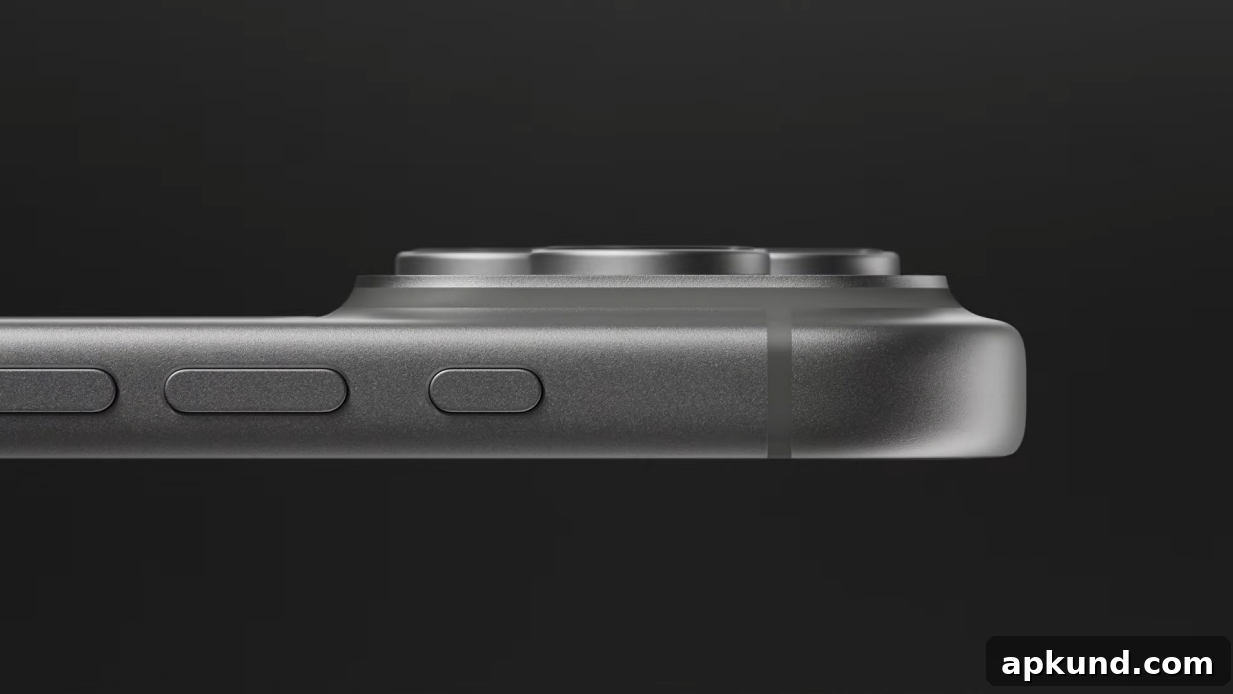
Just over a week ago, Apple unveiled its latest lineup, introducing the iPhone 18 Pro alongside a new iPhone Duo. The company has opened sales and begun shipping pre-orders for the new models. Pricing starts at $1,199 for the iPhone 18 Pro, while the larger iPhone 18 Pro Max begins at $1,299 — both higher than last year’s equivalents.
Available in black, silver, glacier, and a new burgundy finish, the iPhone 18 Pro brings several notable upgrades. The headline feature is a 48MP primary camera that uses an adjustable variable aperture. Rather than relying solely on software, Apple has implemented a six-blade rotor mechanism that enables both automatic and manual control over aperture. This physical approach gives photographers finer control over depth of field and low-light performance, more closely resembling the behavior of a traditional camera lens.
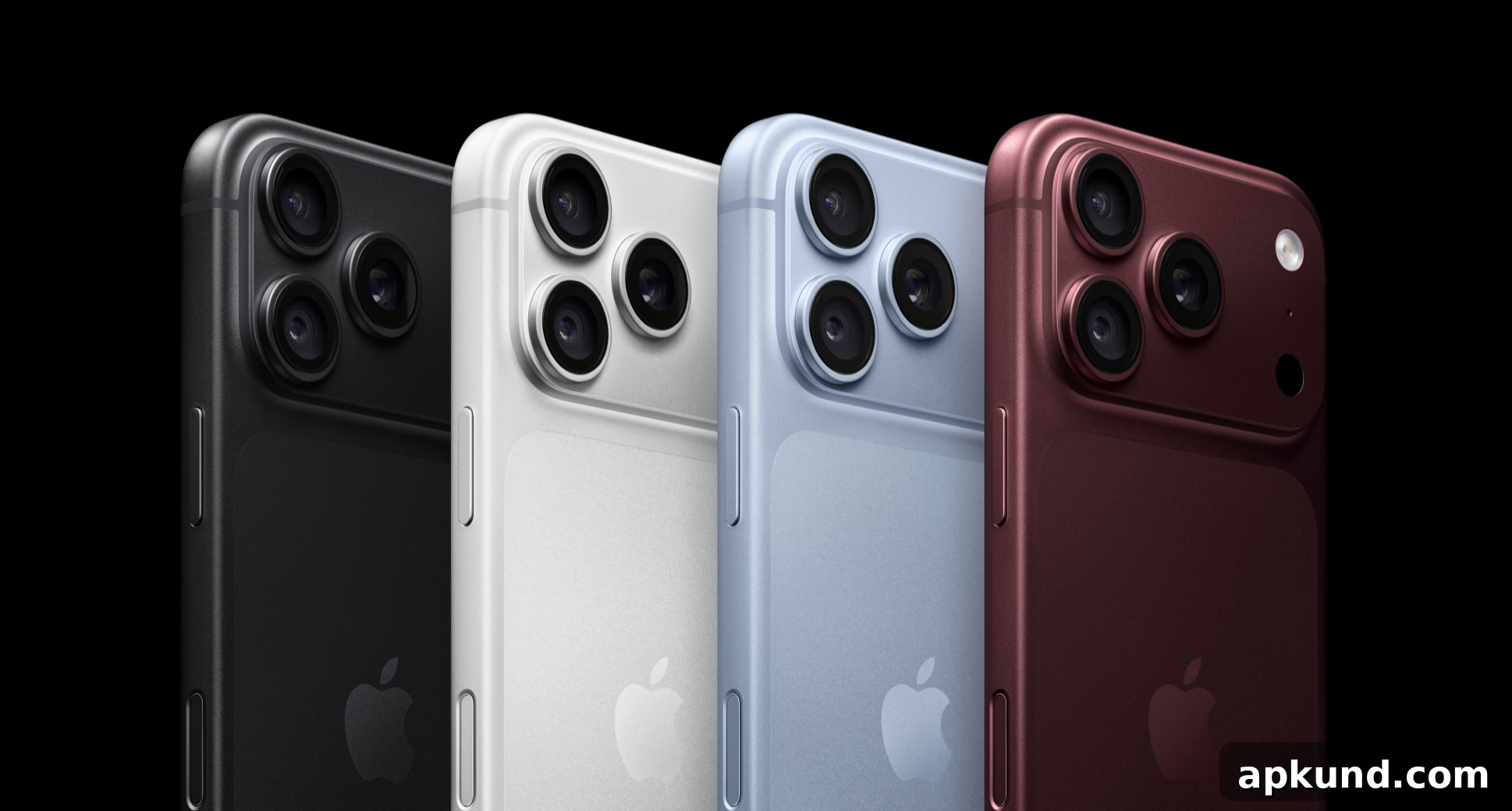
Beyond the camera, Apple has added a dedicated vapor chamber to the new handsets. This internal cooling solution is designed to dissipate heat more effectively during demanding tasks like extended gaming sessions or heavy multitasking, helping to sustain performance and reduce thermal throttling. Under the hood, the phones are powered by the Apple A20 Pro chip, which on paper offers promising performance improvements compared with the previous generation. Early benchmark reports indicate that this SoC handles intensive workloads efficiently while also improving energy management.
The company’s release strategy this year has shifted as well. For the first time in several years, Apple has staggered its launch cadence: the Pro models are available now, while the standard iPhone 18 will arrive at a later date. Industry chatter suggests the non-Pro iPhone could ship in early 2027, but Apple has not confirmed a definitive timeline.
Design-wise, the iPhone 18 Pro keeps the familiar premium aesthetic but refines it in subtle ways. The new color options, particularly the deep burgundy, provide an alternative to the more neutral tones Apple typically offers. The build quality remains high, and the combination of hardware changes — the variable aperture camera, improved cooling, and a more capable system-on-chip — positions the phone as a flagship device focused on photography and sustained performance.
For photographers and content creators, the mechanically adjustable aperture is a meaningful addition. It allows for more nuanced control over exposure and depth of field, which can be especially useful for portrait and low-light shooting. The camera system also benefits from Apple’s computational photography advances, which continue to enhance image processing for dynamic range, color accuracy, and noise reduction.
Gamers and power users are likely to notice the improved thermal solution and A20 Pro silicon. The vapor chamber should help keep temperatures lower during extended gameplay or resource-heavy applications, and the chipset improvements aim to deliver smoother frame rates and quicker app responsiveness. Battery life and real-world efficiency will depend on how these hardware upgrades are paired with Apple’s software optimizations, which the company typically refines through iterative updates after a new model ships.
Because the standard iPhone 18 will follow later, buyers who seek the most advanced camera and sustained performance may find the Pro models more compelling right now. However, those who prefer a more affordable option can expect Apple to release the base model in the months ahead. As always, individual needs and priorities — camera flexibility, raw processing power, or cost — will determine which model is the best fit.
READ: The iPhone 18 Pro Is Nice and All, but I’ll Be Sticking with my Android Phone
Note: this article may contain affiliate links that help support our authors and keep the site running.