
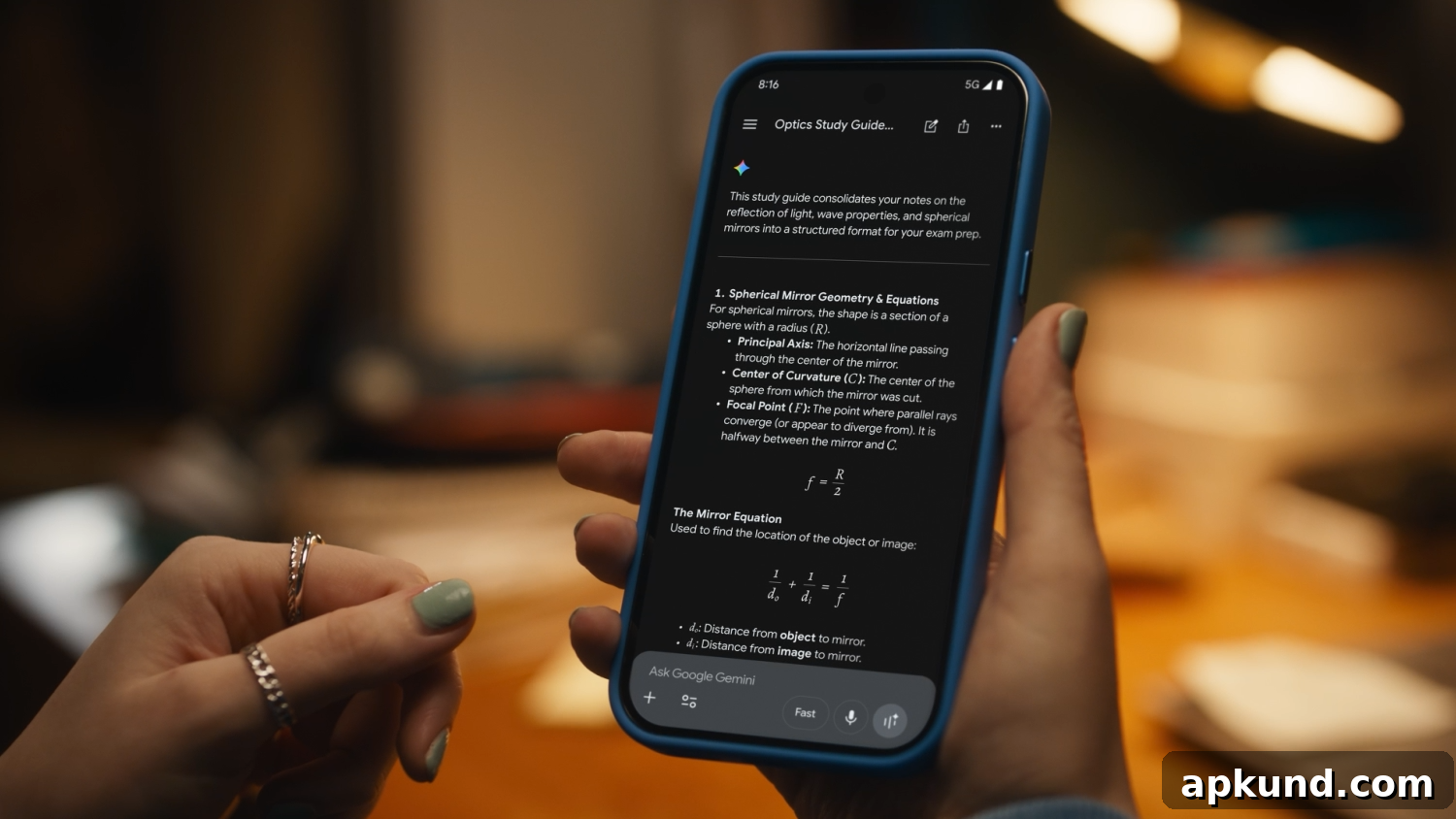
If there’s one thing that’s frustratingly predictable about the tech industry, it’s that the latest and greatest features often arrive first on premium devices. Owners of budget phones regularly find themselves waiting months — or longer — for the same software advances. Google is attempting to change that pattern, at least when it comes to bringing AI features to lower-cost devices.
Google has quietly rolled out Gemini Go, a streamlined version of its AI assistant designed to run on Android Go devices with as little as 2GB of RAM. For readers who aren’t familiar, Android Go is Google’s lightweight variant of Android built specifically for entry-level and low-cost smartphones. Unlike some app-based assistants that require a separate download, Gemini Go is integrated into the Google app itself, replacing the older Assistant Go. Users can launch the assistant through familiar shortcuts — a long press of the Home button or the Power key — and begin interacting immediately.
Gemini Go supports the core functionality people expect from a modern assistant: making and receiving calls, composing and sending texts, setting alarms, and managing calendar events. But it also extends into more conversational territory on these lightweight devices. The assistant can handle natural language queries, accept file and photo uploads for context-aware responses, and even select music based on a user’s mood or request. These features make AI more accessible on phones that previously lacked the memory or processing power for such interactions.
The deployment of Gemini Go is gradual, so availability will vary by device and region. The simplest way to check whether your phone has received the update is to open the Google Play Store and update the Google app when an update appears. In many cases, the functionality appears automatically once the app is updated and the device meets the minimum requirements for Android Go.
Google Is Done Leaving Budget Phones Behind
What makes this move notable is how it contrasts with the broader industry trend. Most major AI offerings are moving upmarket: Apple Intelligence requires 8GB of RAM, Samsung’s Galaxy AI debuted on the S24 series and above, and many advanced AI apps expect high-bandwidth connectivity or significant local resources. Even tiers of Google’s own Gemini lineup have hardware demands that exclude a range of phones — for example, some advanced Gemini features require higher RAM and newer chipsets. Against that backdrop, Gemini Go represents a deliberate effort to serve the other end of the market.
That approach matters because Android Go devices represent a substantial portion of the global smartphone market, especially in regions where cost-sensitive consumers purchase entry-level hardware as their first or primary phone. By optimizing a capable AI assistant for these constraints, Google is addressing real-world needs: better voice-based assistance for users with limited data, simpler conversational access for people who prefer speaking to typing, and lightweight AI that can improve everyday tasks without demanding flagship hardware.
Google’s broader AI strategy also shows signs of aiming for broad utility rather than exclusivity. We’ve already seen Gemini integrated into Android Auto and other Google products, and the company has been consolidating older assistant experiences into its newer Gemini framework. Extending a tailored Gemini experience to Android Go devices is a logical continuation of that effort: it ensures that more users can get conversational help for navigation, messaging, scheduling, and media control regardless of device class.
For users wondering whether Gemini Go will replace Assistant Go completely: yes, the new assistant is intended as the successor, built into the Google app so there’s no separate installation needed. The user experience is designed to be familiar to those who used Assistant Go, while introducing a more conversational and context-aware interface. Because the rollout is staged, some users will see new features sooner than others, and Google may refine behavior and compatibility over the coming weeks.
In summary, Gemini Go brings an important shift: AI assistance designed for the realities of budget hardware. By making conversational AI available on phones with limited RAM and modest processors, Google is expanding access to useful features for millions of users worldwide. If you own an Android Go device, keep your Google app updated in the Play Store and watch for the Gemini Go prompts — you may soon have a lightweight but capable AI assistant ready to help with calls, messages, reminders, photos, and more.