
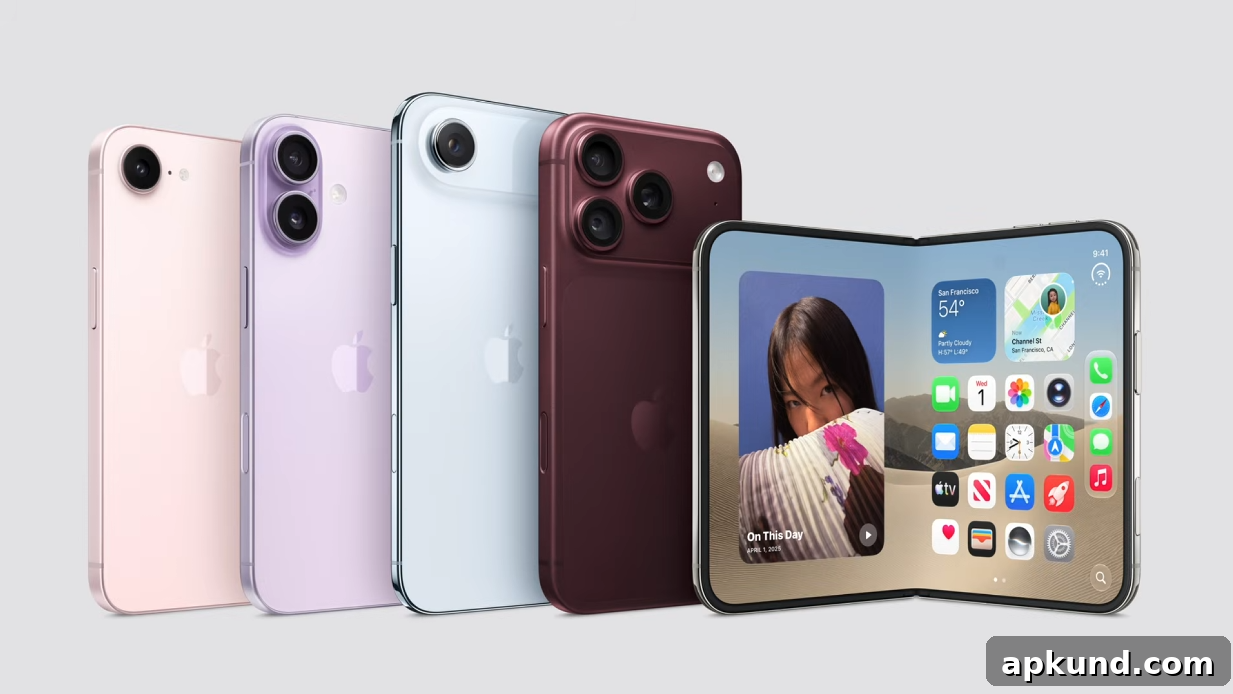
Apple’s new chief executive has signaled a push for faster product delivery, a shift that could change when new iPhones, iPads and Macs reach store shelves. These changes may affect the cadence of launches that consumers have relied on for years, and they could influence when you should buy or wait.
John Ternus officially became Apple’s CEO on September 1. Early indications from internal discussions and industry reporting suggest he favors a leaner, more agile company that releases products whenever they are ready, rather than strictly adhering to the traditional spring and fall launch windows. That approach would allow Apple to ship devices more frequently, smoothing out long gaps between major announcements.
Why Apple’s calendar could start to matter more
For many years Apple followed a predictable rhythm: new iPhones and Apple Watches in September, with Macs and iPads typically arriving in spring or during a separate fall event. This predictable schedule made it easy for buyers and retailers to plan around holiday seasons and back-to-school cycles. If Apple moves to a model where launches occur throughout the year, the timing of product availability will become more variable and dependent on development readiness rather than tradition.
This does not necessarily mean the September iPhone event will disappear. The September launch has become a cornerstone of Apple’s holiday product cycle and remains strategically important for sales and marketing. Instead, the most noticeable adjustments could come for Macs, iPads and home-focused devices, which may be announced more flexibly at different points in the year. The practical effect would be that product families could be refreshed independently, reducing long waits for upgrades in categories that need them.
Recent iPhone timing hints at change
Even within the iPhone line, Apple has shown early signs of shifting away from a single annual release for all models. At a recent event, Apple introduced higher-end models while delaying the base model’s update. This staggered approach means premium and Pro lines might arrive on one schedule while standard models follow later, possibly in the spring. Those differences underline how a more fluid release calendar could look in practice.
What to consider before buying a new iPhone
Price trends are another key factor. Newer flagship models are starting at higher price points than previous generations, and Apple has also increased the prices of some older models. Rising component costs, including memory and other components, have been cited as contributors to these price adjustments. As Apple navigates component costs and supply chain dynamics, consumers may see occasional price movements across the lineup.
Given these shifts, here are practical tips for buyers:
- Before purchasing, check whether the model you want is expected to be refreshed soon. Release timing could now vary by model, so a mid-cycle refresh might be only a few months away.
- If you are price-sensitive, watch for seasonal promotions and potential price adjustments on older models when new variants ship. Retail discounts and trade-in offers may appear when a refreshed product is announced.
- Consider whether you need the latest hardware immediately. For many users, last year’s models remain capable and may offer better value, especially if a new release is likely to focus on premium features that are less essential for everyday use.
- If you prefer a specific form factor or a base model—rather than a Pro or premium variant—be aware those updates could come on a different schedule than the flagship models.
Organizational and long-term change
Ternus has also indicated a desire for a leaner company structure, with talks of reducing middle-management roles to streamline decision-making and speed up development. Organizational changes of this type often take time to implement, and meaningful impact could unfold over months or years rather than weeks. Expect a gradual transition as teams adjust to new priorities and processes.
For now, the practical consequences for consumers are straightforward: don’t assume Apple will only launch major devices in the traditional spring and fall windows. Monitor announcements across the year, especially if you’re planning a purchase tied to a particular model. If the device you want is due for an update, waiting might make sense; if not, buying now could be the best option—particularly if discounted older models are being phased out or re-priced.
Ultimately, a more frequent and flexible launch calendar could benefit customers who want faster access to incremental improvements, but it will require a bit more attention from buyers to time purchases wisely.