Data removal isn’t glamorous. Most people don’t wake up eager to delete their details from people-search sites. But when you learn how many data brokers collect, package, and sell personal information, taking action becomes much more compelling.
Incogni and Onerep are two of the best-known services that automate data removal. Both spare you hours of manual opt-out requests and continue to monitor your information after the initial cleanup. They differ, however, in coverage, automation, pricing, and — in Onerep’s case — company history, which some consumers may want to weigh when choosing a provider.
Onerep vs Incogni: A Quick Comparison
| Category | Winner |
| Data broker coverage | Incogni |
| People-search site removals | Tie |
| Additional privacy tools | Incogni |
| Progress tracking | Onerep |
| Ease of use | Tie |
| Starting price | Incogni |
| Overall value | Incogni |
Onerep vs Incogni: What They Actually Remove
Both services automate the tedious tasks of finding your personal data on third-party sites, submitting opt-out requests, and checking whether those profiles return. With either provider, you avoid spending weekends filling out removal forms.
Where they differ is in the scope of what they target. The table below summarizes their relative coverage across common categories.
| Incogni | Onerep | |
| Public people-search sites | ✅ | ✅ |
| Private marketing brokers | ✅ | Limited |
| Employment data brokers | ✅ | Limited |
| Financial & income brokers | ✅ | Limited |
| Health-related brokers | ✅ | Limited |
| Recurring monitoring | ✅ | ✅ |
Information available as of July 2026.
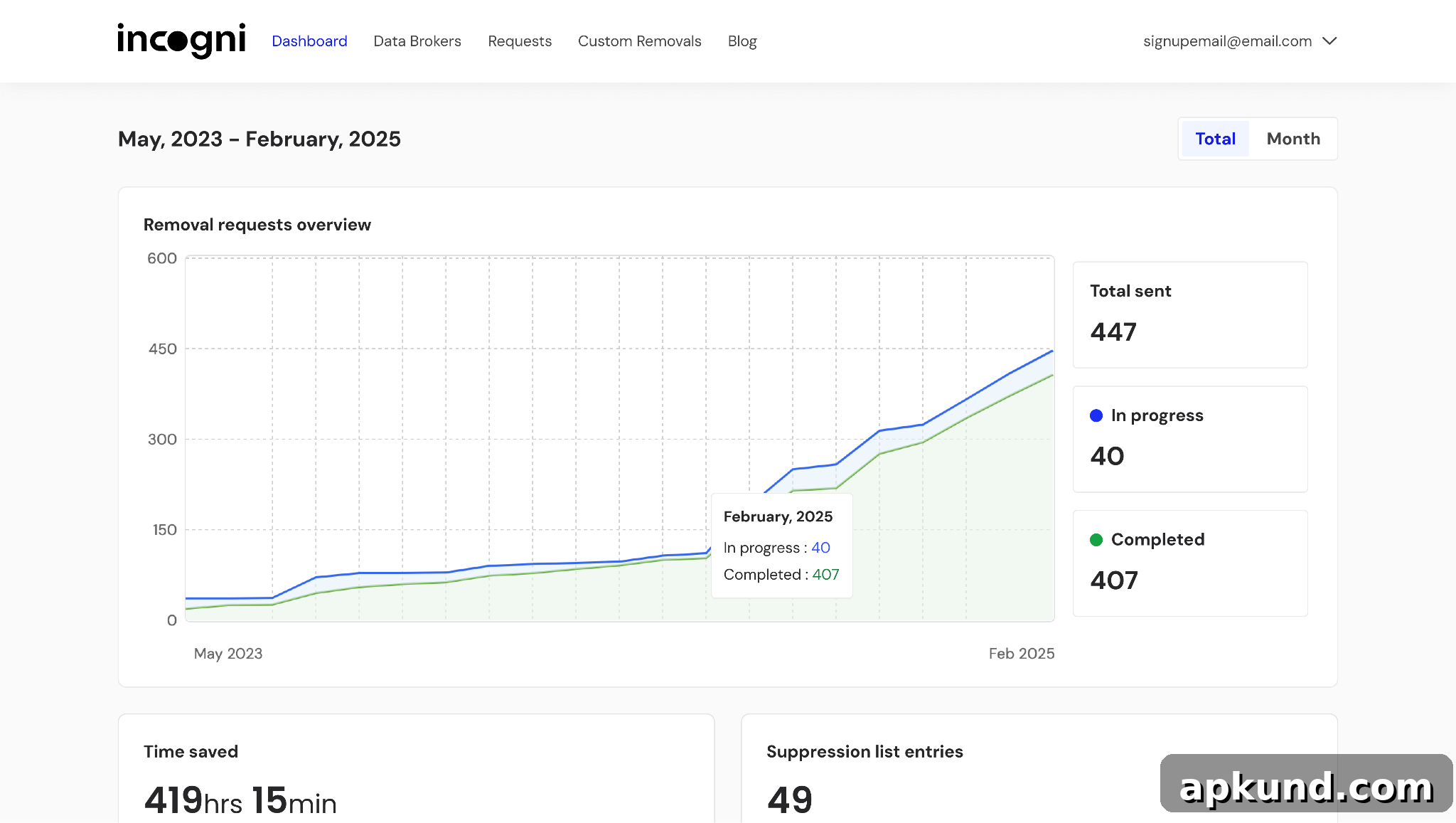
Incogni maintains a network that reaches beyond public people-search directories to more than 420 data brokers across marketing, employment, finance, health, and other categories. That broader reach includes databases that are not easily discoverable through a simple web search. Incogni’s removal system also continues working after the initial cleanup, typically resubmitting requests every 60 to 90 days when removed profiles reappear.
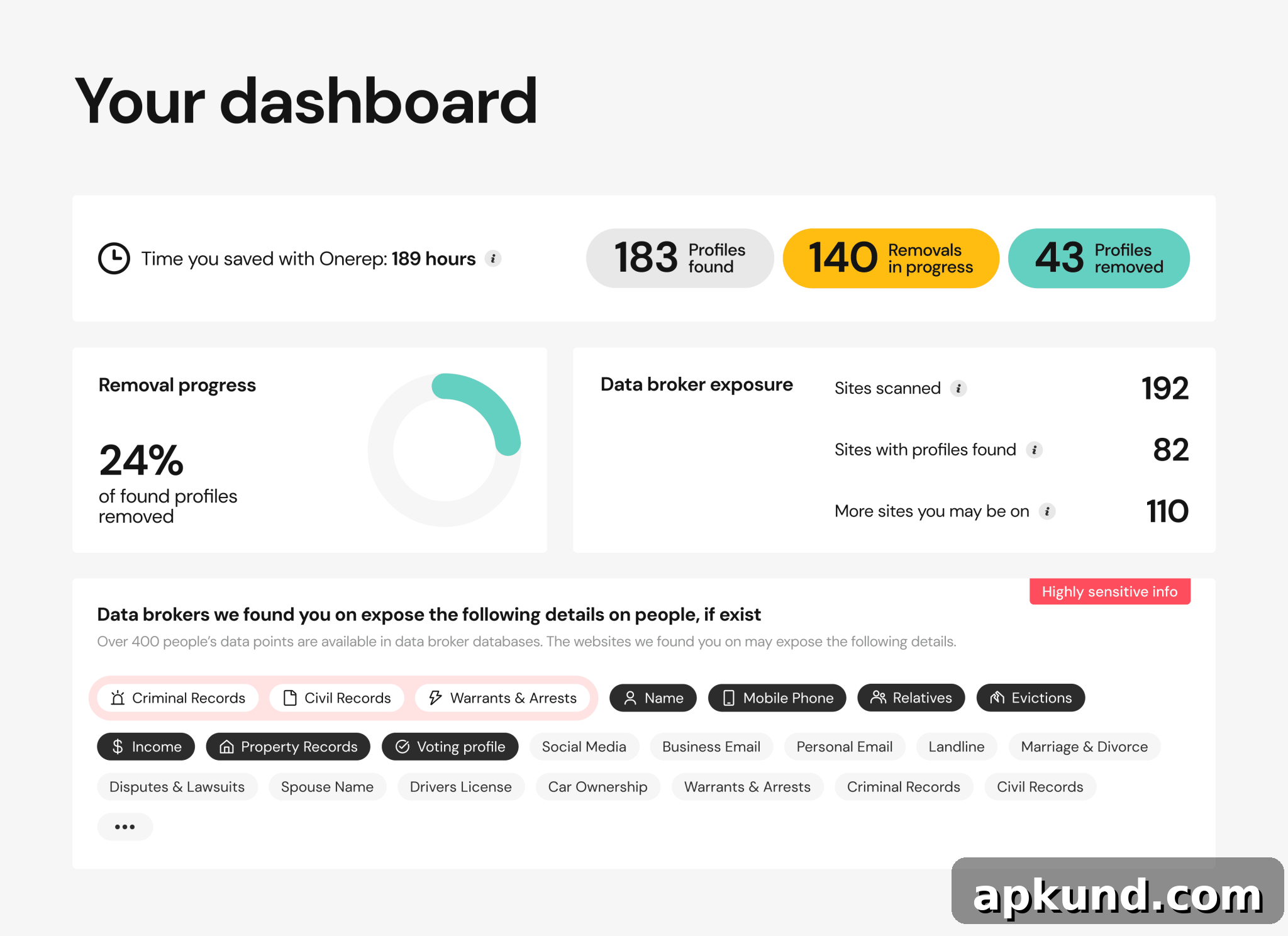
Onerep focuses primarily on removing entries from the people-search websites most likely to expose addresses, phone numbers, ages, and other identifying details. If your main concern is being searchable by neighbors, acquaintances, or strangers on public directories, Onerep covers the essentials effectively and provides a clear progress dashboard that many users appreciate.
More Than Numbers: How Coverage Matters
Coverage counts are useful but incomplete. Some brokers publish searchable public profiles that anyone can find; others operate behind the scenes, selling data to advertisers, insurers, and recruiters without publishing a visible profile. Reducing visible search results is only one step; preventing the widespread sale of your personal data across private databases requires a broader approach.
Incogni places emphasis on both visible and hidden data sources, recognizing that public people-search listings represent only a portion of the data broker ecosystem. Onerep remains effective for public directory removals, while Incogni aims to limit how broadly your data is circulated behind the scenes.
Pricing Snapshot
| Plan | Incogni | Onerep |
| Individual (monthly) | $15.98/month | $14.95/month |
| Individual (annual) | $7.99/month ($95.88/year) | $8.33/month ($99.95/year) |
| Premium individual | Unlimited: $14.99/month ($179.88/year) | Individual Pro: $15.95/month ($191.40/year) |
| Family | $15.99/month ($191.88/year, up to 5 members) | $15.00/month ($179.95/year, up to 6 members) |
| Premium family | Family Unlimited: $22.99/month ($275.88/year, up to 5 members) | Family Pro: $29.95/month ($359.40/year, up to 6 members) |
| Additional options | Identity protection bundle: Incogni Protect: $20.74/month ($248.88/year, US only) | N/A |
Prices available as of July 2026.
Both services are competitively priced, and annual plans lower the effective monthly cost considerably. Incogni’s higher-tier plans tend to deliver more value: the Unlimited and family unlimited tiers are priced attractively while covering a wider range of brokers and offering features like custom unlimited removals. Onerep’s family plan does allow one more household member at the standard tier, which may matter for larger homes focused solely on people-search removals.
Trust and Reputation
Removing data requires sharing sensitive personal details such as name, address history, phone numbers, and emails. Trust is therefore as important as technical capability.
Onerep has faced scrutiny in past reporting about its founder’s involvement with earlier people-search businesses. The company responded by saying those previous ventures were sold years earlier and unrelated to its current operations, and it has continued serving customers since. That history is not decisive for everyone, but some consumers will consider it when deciding who to trust with their data.
Incogni has highlighted independent verification of its practices, including third-party assurance and compliance documents. For many users, the absence of controversy and publicly verifiable controls will matter when choosing a provider.
Which One Should You Choose?
Onerep is a strong, focused option if your top priority is removing searchable listings on people-search sites and you value a clear progress dashboard. It delivers reliable results for visible directories.
Incogni is the better choice for users who want broader protection. Its network covers public sites and hundreds of private brokers, its automated resubmission keeps removals active over time, and its pricing and higher-tier features generally offer more value for most people.
Both services will save time and reduce exposure compared with doing manual opt-outs. If you want the widest possible reduction in how your data is shared and sold, Incogni is the overall winner in this comparison. If your need is narrower—focused on people-search sites—Onerep remains a solid and user-friendly option.