
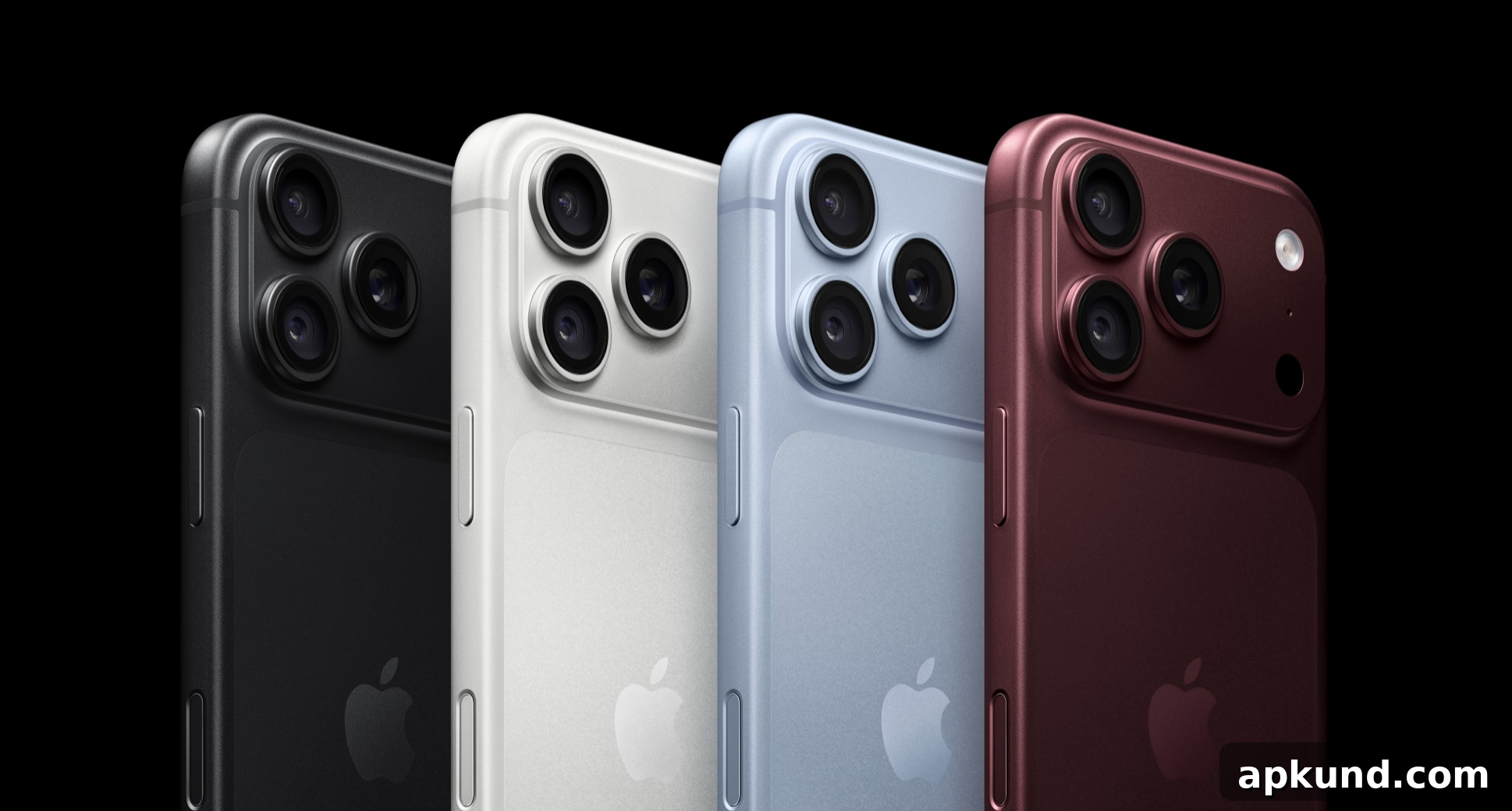
If you bought an iPhone 17 Pro or Pro Max last year, you may be wondering whether it’s worth upgrading to Apple’s newest models. The iPhone 18 Pro and 18 Pro Max both carry a $100 higher starting price than their predecessors, so it’s reasonable to ask which improvements truly matter and which feel more like marketing. Below is a clear, balanced look at the meaningful changes and the ones you can safely skip.
Worth paying for: the camera and the chip
The standout upgrade this year is the main camera. While last year’s Pro models relied on a single fixed aperture, the 18 Pro models offer a variable aperture that shifts between four settings. That gives the phone more of the flexibility you’d expect from a dedicated camera lens, letting it better adapt to different lighting situations and control depth of field. Apple reports roughly 50 percent better low-light performance for the main sensor, and the addition of manual controls for aperture, shutter speed, and white balance will appeal to anyone who enjoys adjusting camera settings for specific results.
Under the hood, the new A20 Pro chip represents a genuine performance and efficiency jump. Built on a smaller 2nm process compared with last year’s silicon, it delivers a faster GPU and improved power efficiency. Apple also revised internal cooling, which helps sustained workloads run smoother for longer. You’re most likely to notice the difference in demanding scenarios — extended gaming sessions, heavy multitasking, or on-device AI features that benefit from quicker responsiveness and better thermals.
Battery life also sees a notable improvement. The iPhone 18 Pro Max can reportedly play up to 45 hours of video on a single charge, up from about 39 hours on the prior model — one of the largest single-year gains in iPhone battery life Apple has shipped. The standard iPhone 18 Pro improves as well, rising from around 33 hours to roughly 36 hours. Charging speeds are modestly faster too; the phones reach roughly half their battery level more quickly than last year, which is convenient for short top-ups.
Skip it for: everything else
Many of the remaining differences are incremental. The Dynamic Island area has been redesigned and is slightly smaller, and it can now handle three Live Activities at once instead of two. That’s a useful enhancement for people who frequently use multiple ongoing widgets or trackers, but it’s hardly a game-changer on its own and doesn’t justify the price increase for most users.
The phones otherwise retain the same general design language: similar aluminum frames, comparable camera bump styling, and the same screen sizes as the previous generation. A new burgundy color is available this year, which looks attractive, but a new finish alone is rarely sufficient reason to upgrade. If anything, the new models are a bit heavier — up about 5 grams for the Pro and 16 grams for the Pro Max — which most users will only notice if they compare devices side by side; the added weight largely reflects the larger battery capacity.
Who should actually upgrade
If you already own an iPhone 17 Pro or Pro Max, there’s little about the 18 Pro line that mandates an immediate trade-in. The core day-to-day experience remains much the same. The upgrade becomes worthwhile if you specifically want the variable aperture camera and intend to use it for more advanced photography, or if you push your phone hard with graphics-heavy gaming or intensive on-device AI tasks and will benefit from the improved chip and cooling. For those users, the $100 increase feels reasonable.
For owners of models older than the iPhone 17 Pro, the decision is more straightforward. The improvements to camera flexibility, low-light performance, processing power, and battery life make the iPhone 18 Pro a stronger long-term choice compared with older devices. Those upgrades translate to better photos, smoother performance under sustained load, and longer daily use between charges.
Ultimately, whether you should upgrade depends on how you use your phone. If photography and performance under heavy load are priorities, the 18 Pro series delivers meaningful, tangible improvements. If your current device already meets your needs for everyday tasks, media, and casual gaming, waiting another year or allocating that extra $100 elsewhere may be the smarter option.