
Apple’s iPhone Duo unfolds into the largest display the company has ever put in an iPhone. It also carries a premium — roughly $700 to $800 higher than the iPhone 18 Pro and Pro Max — and it drops several features found on those flagship models.
Deciding whether the foldable is worth the added cost depends on how you use your phone. Below is a clear look at what you gain with the Duo and what you trade away compared with Apple’s regular Pro line.
The screen you gain
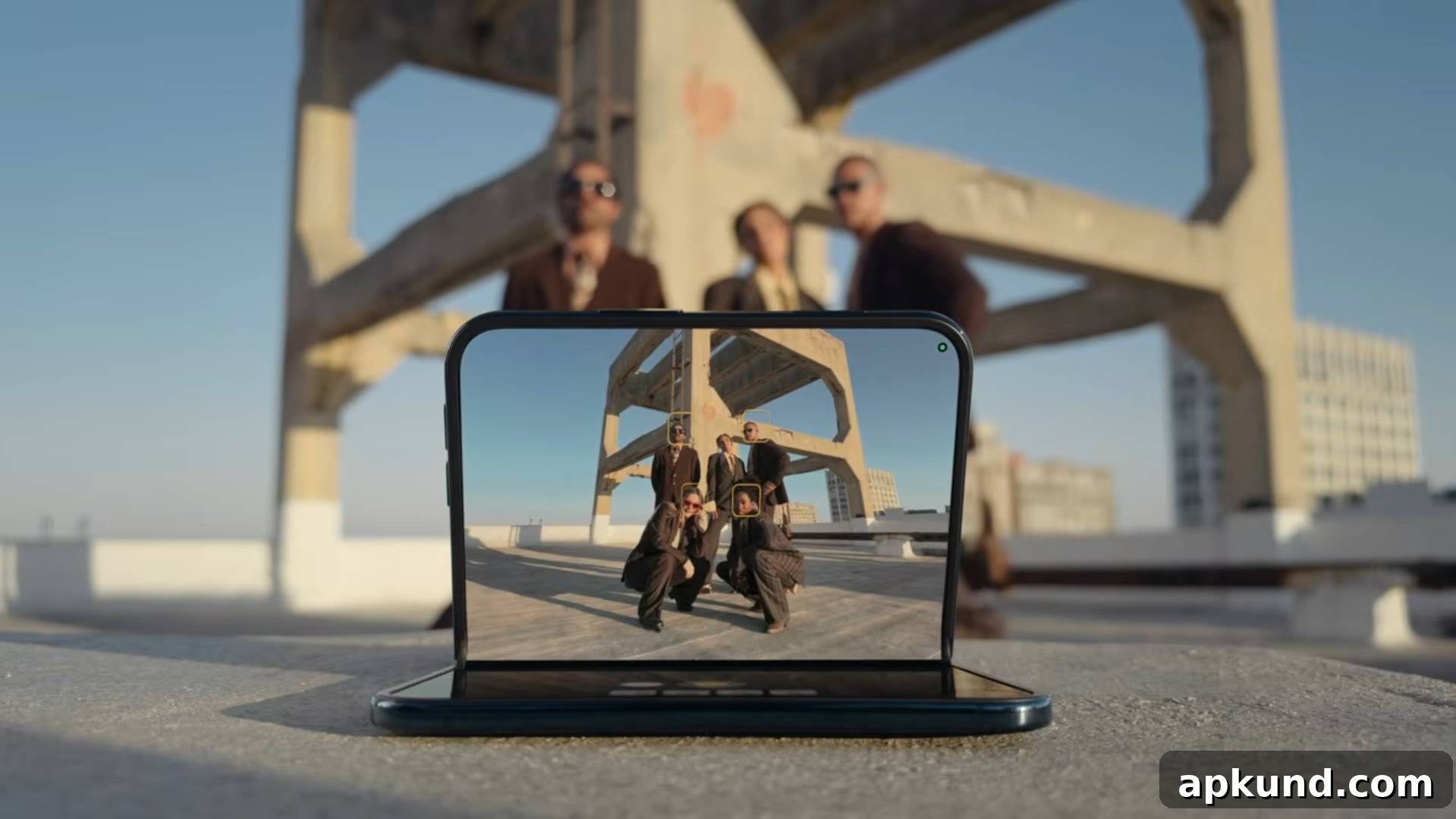
Open the iPhone Duo and you get a 7.6-inch inner display — roughly 50% larger than the iPhone 18 Pro Max and about 80% larger than the standard iPhone 18 Pro. Folded shut, the Duo still offers a 5.4-inch outer screen that behaves like a conventional iPhone for quick tasks and one-handed use.
Apple tailored iOS 27 to the Duo’s foldable form, shifting the dock and essential controls to the edge when the phone is opened so your thumb doesn’t need to travel across the entire panel. That inner display also supports the Apple Pencil, marking the first time an iPhone can work with Apple’s stylus and opening up new possibilities for note-taking, sketching, and precise editing — features not available on the current Pro models.
What you give up to get it
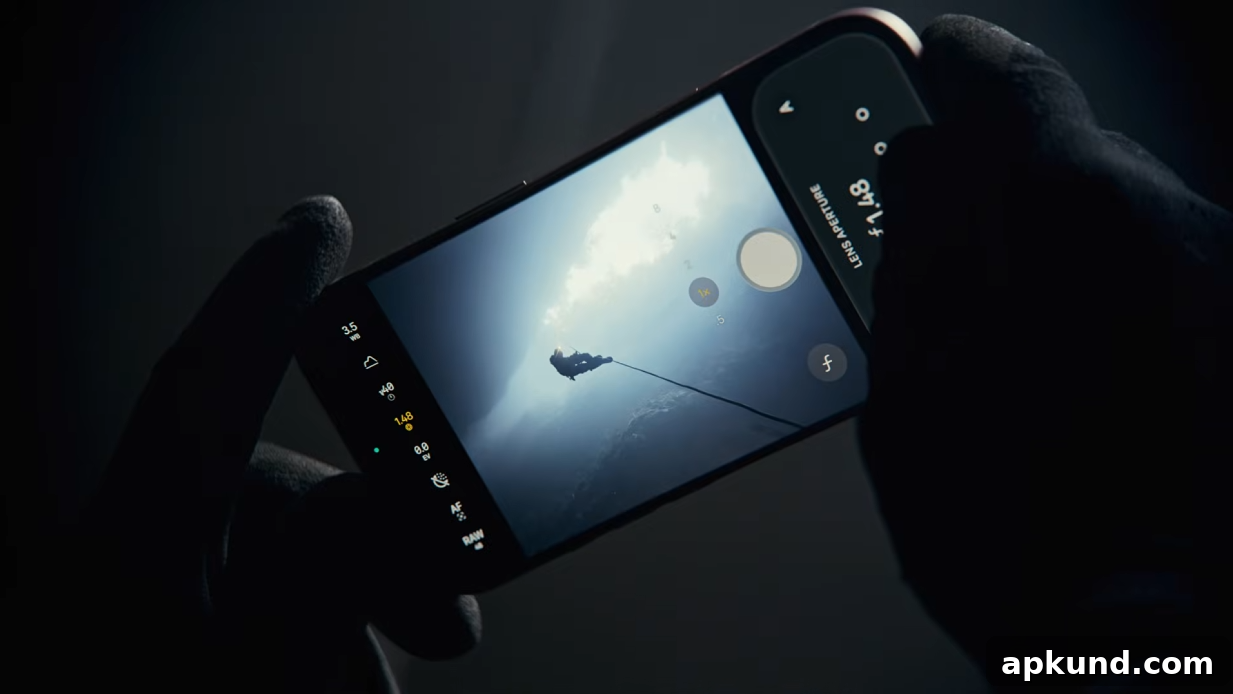
While the Duo wins on screen real estate, it concedes ground in photography and some hardware capabilities. The iPhone 18 Pro and Pro Max include a dedicated telephoto lens and Apple’s first variable-aperture camera, which can change between multiple aperture settings to improve low-light performance and image quality. The Duo, by contrast, has only two rear lenses and lacks a true telephoto, so its zoom range and telephoto image quality fall short of Apple’s Pro devices.
Biometric authentication also differs. The Duo forgoes Face ID because the folding design leaves no room for Face ID’s sensor array; instead, it uses Touch ID in the side button. If you prefer facial recognition as your primary unlock method, that capability is lost on the Duo. The foldable also omits LiDAR, which helps Pro models focus faster in dim conditions and improves AR experiences. Several Pro-only photo and video tools aimed at professionals are likewise unavailable on the Duo.
Battery life and charging speed are other trade-offs to consider. The iPhone 18 Pro Max advertises longer playback times than the Duo, and in testing the Duo’s battery performance varies with the display in use: it lasts longer when using the outer screen but drops notably when you watch video on the larger inner panel. Charging is marginally slower on the Duo as well, which matters if you frequently top up between activities.
Cost is the final and most obvious difference. The Duo’s base price starts significantly higher than the Pro models: the Duo begins at $1,999 for 256GB, while the iPhone 18 Pro and Pro Max start much lower for the same capacity. That gap widens at higher storage tiers, making the Duo a premium choice for buyers prioritizing screen size and foldable form factor.
Should you wait for the Duo?
The iPhone 18 Pro and Pro Max are available for pre-order now and ship September 18. The Duo’s pre-orders begin later, with orders opening on October 16 and retail availability beginning around October 23.
If you’ll use a larger canvas daily for reading, multitasking, drawing, or productivity, the Duo’s inner display and Apple Pencil support make a compelling case despite the compromises. If you value Face ID, the most advanced camera hardware, longer overall battery life, and an earlier delivery, the iPhone 18 Pro or Pro Max remains the more practical and cost-effective option. In short: choose the Duo if the bigger screen changes how you use your phone; choose the Pro models if camera performance, biometric convenience, and battery endurance matter more.