
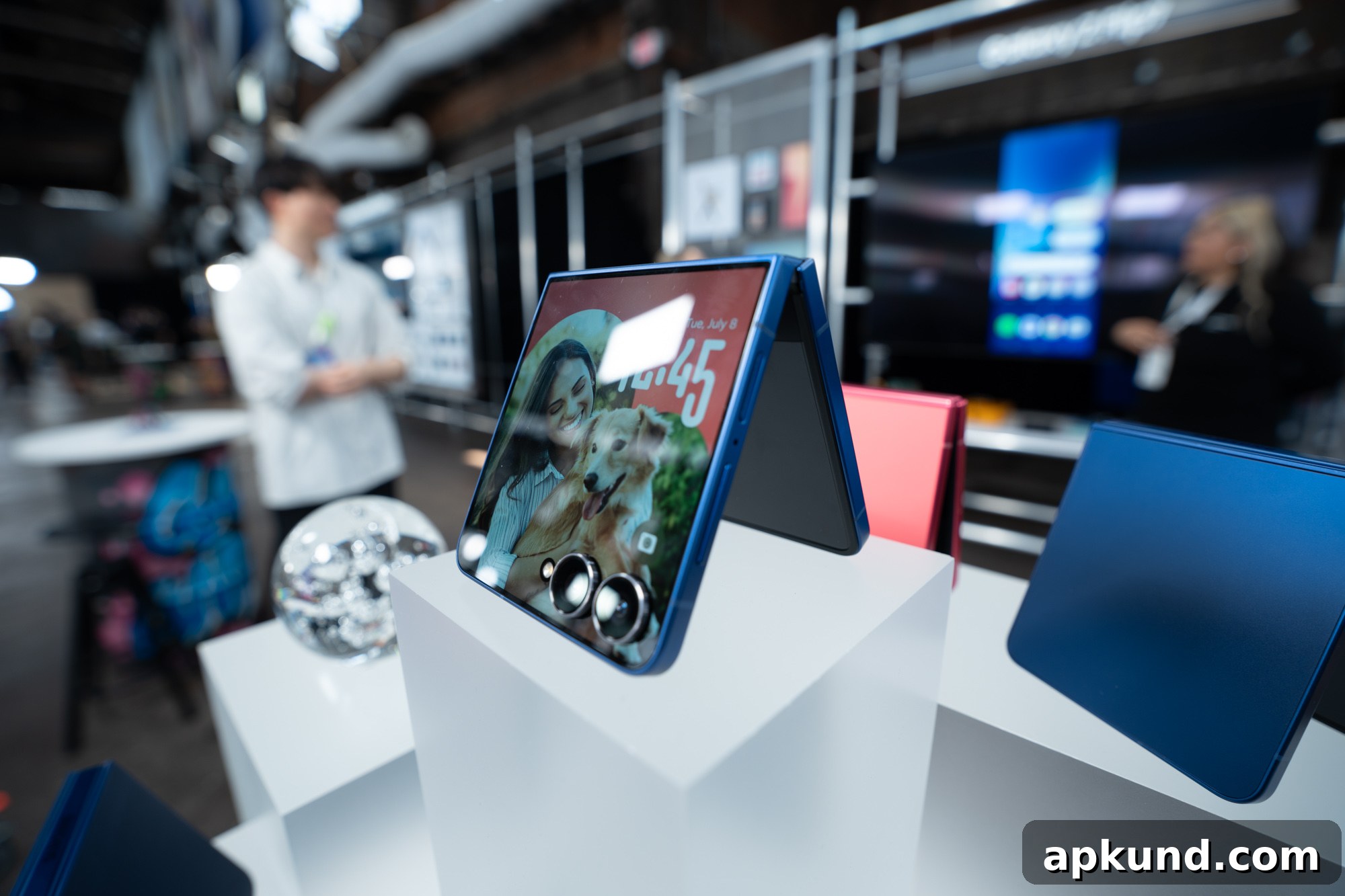
The Galaxy Z Flip series has been one of Samsung’s most reliable sellers since its debut in 2020. However, a recent rumor has suggested that the Galaxy Z Flip 8 could be the last clamshell-style Flip phone Samsung ships.
A Weibo tipster claims Samsung does not appear to be actively developing a Flip 9. That observation is significant because major product planning usually begins at least a year before launch. If a Flip 9 were underway, supply-chain chatter and industry whispers would typically surface by now. According to the tipster, none of that noise is present at the moment. Samsung has not confirmed or denied these reports, so the information remains unverified and should be treated cautiously.
Why the Flip Line Might Be Winding Down
The rumor cites three main factors that could explain Samsung’s possible shift away from the Flip line. First, rising component costs are making it more difficult for the company to keep the Galaxy Z Flip 8 priced competitively without sacrificing key hardware elements. As internal component prices increase, manufacturers face pressure to either raise retail prices or reduce features — neither option is attractive when competing in a fast-moving smartphone market.
Second, the clamshell design may have reached a point of diminishing returns in terms of meaningful innovation. Each generation of the Flip has refined the form factor — better hinges, improved displays, smaller bezels and modest software enhancements — but truly transformative upgrades have become rare. When the design itself limits how much can be improved, product teams can struggle to find new, compelling ways to convince current owners to upgrade.
Third, consumer preferences look to be shifting toward book-style foldables. The Galaxy Z Fold 7 reportedly outsold the Z Flip 7 globally last year, indicating stronger demand for larger, tablet-like foldable experiences. In addition, Samsung’s experimental Galaxy Z TriFold concept generated notable buzz, suggesting mainstream interest in more expansive foldable formats. If buyers increasingly favor larger displays and multitasking capabilities, Samsung may reallocate resources to prioritize those designs.
Despite these reasons, the rumor deserves a healthy dose of skepticism. The Flip 7 reportedly sold better than any previous model in the series, demonstrating that demand for compact, pocketable foldables remains strong. Samsung also moved to broaden accessibility by launching the Z Flip 7 FE, a lower-cost variant intended to bring the clamshell experience to a wider audience. Meanwhile, the Flip 8 itself is reportedly still scheduled for an upcoming reveal on July 22 in London, which would be a natural next step if the line continues.
All of this suggests that a single Weibo post should not be treated as definitive proof that Samsung is ending the Flip line. Companies often adjust internal timelines, reassign development teams, or pause certain projects without shelving a product permanently. It’s possible Samsung is experimenting with different development cycles, testing new concepts, or preparing a different strategy for the next generation of foldables.
For consumers considering a flip-style foldable, the current situation creates an interesting dynamic. If the Flip 8 is indeed one of the last in its category, it could become a collector’s choice for buyers who prefer the clamshell form factor. Conversely, if Samsung continues to support and evolve the Flip series, the upcoming model may represent a refined and more accessible entry point thanks to lessons learned from earlier devices and the introduction of an FE variant.
Ultimately, until Samsung provides an official roadmap or statement about future Flip models, the most reliable approach is to watch for confirmed announcements and corroborating supply-chain reports. Whether Samsung decides to focus on book-style foldables, further explore multi-fold concepts, or continue refining the clamshell design, the company’s next moves will shape the broader foldable market and influence how consumers choose between compact and expansive foldable phones.