
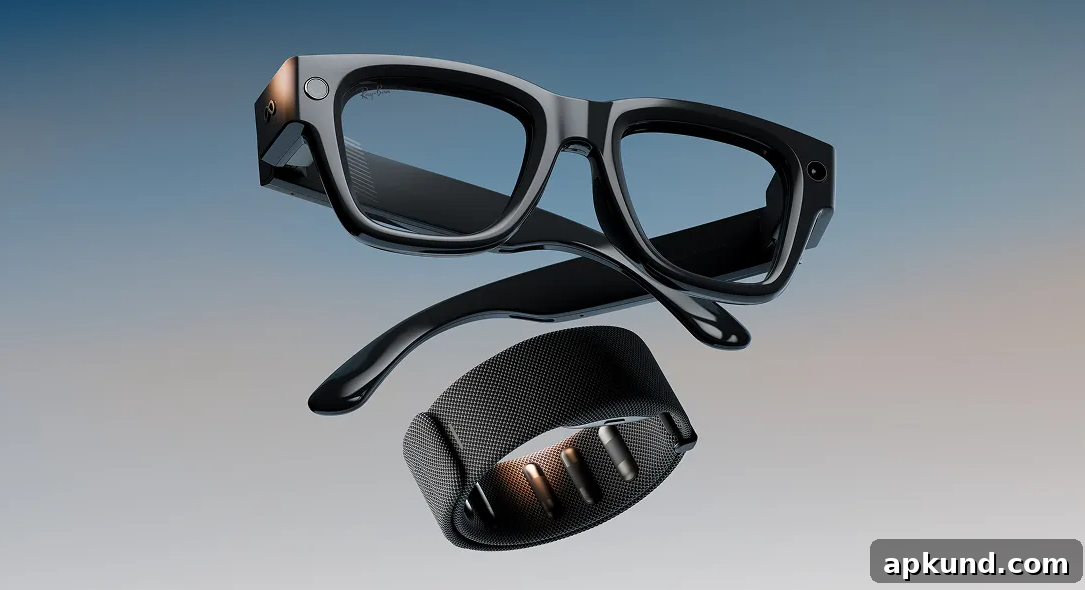
Meta is reportedly building a pair of smart glasses that omit a camera entirely. The company is expected to unveil the new model next week at its Meta Connect event, replacing the camera hardware with audio-focused features and positioning the device as a privacy-conscious alternative for users who have been wary of camera-equipped eyewear.
The move responds directly to a sharp backlash over earlier camera-enabled versions. Critics and members of the public gave those glasses a blunt nickname reflecting their concern: “pervert glasses.” The label emerged after widespread reports of people using the eyewear to record others in public without consent. For anyone who has ever worried about being filmed without permission, the camera-free design appears to be Meta’s attempt to address that specific criticism.
Why Meta Glasses Earned the ‘Pervert Glasses’ Nickname
Earlier Meta eyewear included a small LED indicator intended to warn people nearby when recording. In practice, however, some users found ways to cover or otherwise bypass that light, undermining its effectiveness as a privacy signal. Meta has said it will take actions such as disabling the camera on devices found to have tampered indicators, and reports indicate that thousands of units have been affected by such measures.
The backlash against camera-equipped glasses has stretched beyond software fixes and product updates. Several venues and institutions publicly announced restrictions on wearing or bringing the devices inside: nightclubs, pubs, and other public-facing businesses have warned patrons that the glasses are not welcome. In some jurisdictions, courts have even taken a cautious approach, treating the devices as potential recording tools and instituting temporary bans at entry points. At the same time, new mobile apps and tools have emerged that claim to detect nearby smart glasses, offering another layer of reassurance for people who want to know whether someone nearby might be recording.
What the Camera-Free ‘Luna’ Glasses Will Actually Do
The camera-free model is reportedly codenamed Luna. Meta plans to offer Luna in two distinct styles, referred to internally as Clubmaster and Burbank, which are said to have slimmer arms and a more traditional eyewear silhouette than previous models. Rather than including a camera, Luna will reportedly be equipped with an array of six microphones and integrated speakers positioned to direct sound toward the wearer’s ears. The hardware appears designed to facilitate hands-free voice interactions with Meta’s AI assistant, with a dedicated side button to activate the chatbot quickly and conveniently.
By removing the camera, Meta seems to be aiming at customers who liked the idea of connected, voice-enabled glasses but were put off specifically by the filming capability and the public controversy around it. The audio-first design emphasizes conversational AI features—such as voice queries, quick responses, and on-the-go assistant functionality—without the optics that triggered many privacy complaints. This shift may also simplify regulatory and venue acceptance hurdles that affected the camera-enabled versions.
Meta reportedly intends to present Luna at its Meta Connect event on September 23 and 24, with shipping possibly beginning as early as October. If those timelines hold, consumers could see a camera-free option in stores soon after the announcement. For those who prioritize privacy or who have avoided smart glasses solely because of camera concerns, Luna looks intended to be an accessible alternative.
Even with a camera-free model, public conversation about wearable tech and privacy is likely to continue. Detection apps and other third-party tools remain available for people seeking ways to check whether someone nearby is wearing recording-capable devices. Meanwhile, vendors and venue operators may update policies as products evolve, weighing customer comfort against the new features these devices offer. Ultimately, Luna represents a clear attempt by Meta to respond to public concern while keeping its sights on mainstream adoption of wearable AI and voice-driven services.