
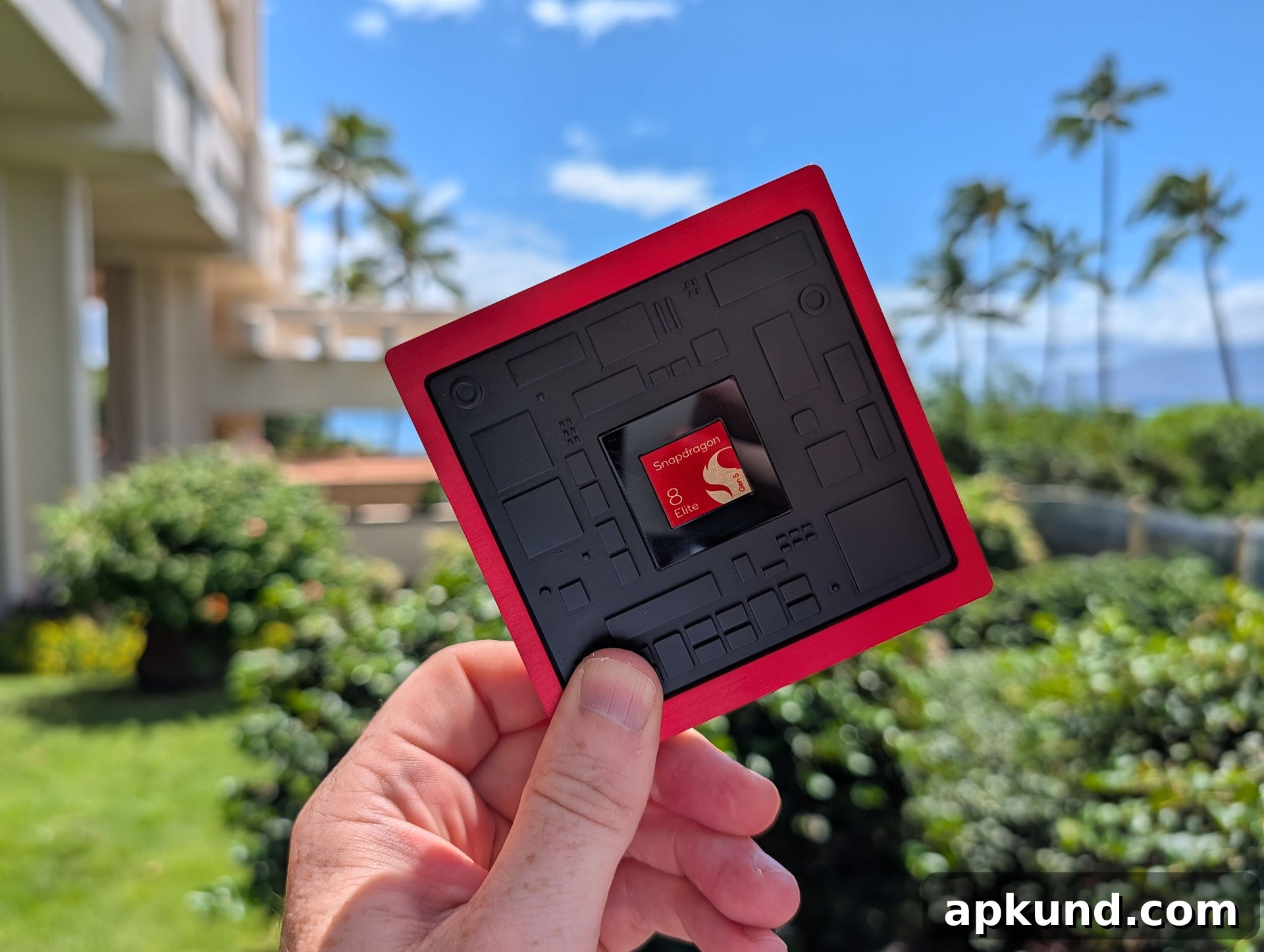
Qualcomm used to keep things straightforward: one flagship chipset per year, sometimes followed by a slightly trimmed down variant. This year, the Snapdragon 8 series looks set to be much more complex. Multiple leaks indicate Qualcomm is preparing at least three distinct tiers: a standard Snapdragon 8, a Snapdragon 8 Elite Gen 6, and a Snapdragon 8 Elite Gen 6 Pro. Rather than a single annual upgrade, the company appears to be building a family of chips aimed at different market segments.
According to tipster reports, both Elite models will migrate to TSMC’s 2nm production process. If accurate, this would mark Qualcomm’s first use of 2nm for mobile processors. The Pro variant reportedly receives a more powerful Adreno 850 GPU and support for next-generation LPDDR6 memory, while the standard Elite Gen 6 is said to retain an Adreno 845 GPU and LPDDR5X memory. That already produces a two-tiered split, but additional leaks suggest an even wider spread.
One source claims Qualcomm is testing multiple hardware samples of the Pro chip — as many as six — that are divided across three performance tiers and two memory configurations. If true, that means there could be variations of the Pro package tailored to differing performance, power, and cost targets. These reports are unconfirmed and details may change, but they point to a more segmented product approach than Qualcomm has used in past flagship cycles.
Why Qualcomm Is Taking This Approach
The main driver appears to be cost. Flagship Android phones have become more expensive in recent years, and chip manufacturing costs play a large role in that trend. Moving from 3nm to 2nm production increases wafer costs considerably — industry chatter suggests the price per wafer for 2nm runs is substantially higher than for 3nm — and that extra expense filters down to phone makers. By offering more chipset options at varying performance and price points, Qualcomm gives manufacturers flexibility to match their device pricing targets instead of forcing every high-end phone onto the same, most expensive silicon.
Analysts at Counterpoint Research have estimated that splitting the top-tier chips could push prices for Ultra-tier phones up by roughly $150 to $200 this year. Past Snapdragon generational shifts have shown significant performance gains between releases, so the performance gap between these new tiers could also be meaningful. That suggests manufacturers will need to weigh performance, features, and cost more carefully when choosing which version to use in a device.
For consumers, the result could be a wider range of flagship-level phones that vary more noticeably in raw performance, graphics capability, and memory bandwidth. Some devices may advertise the same “Snapdragon 8” family label while delivering quite different real-world experiences depending on which specific SKU is inside. That will make it important for buyers to look beyond chipset family names and check specific part numbers, GPU configurations, and memory types if they want to understand performance differences.
From Qualcomm’s perspective, a multi-tier lineup can also be a strategic response to greater cost pressure from cutting-edge process nodes. Offering segmented options allows the company to serve premium handset makers who want peak performance while simultaneously supplying more cost-conscious partners looking to hit lower price points. It’s a model that increases complexity — for partners, reviewers, and consumers alike — but it offers a way to spread the benefits and burdens of advanced manufacturing across more device classes.
None of these reports are official confirmations from Qualcomm, so treat specific details and numbers as provisional. If the Snapdragon 8 series does fragment into multiple tiers as reported, picking the right configuration for a new phone could be as consequential as choosing the phone itself. For manufacturers, that decision will influence price, battery life, thermal behavior, and competitive positioning. For buyers, it will mean paying closer attention to the exact chipset variant used in any flagship device they consider.