
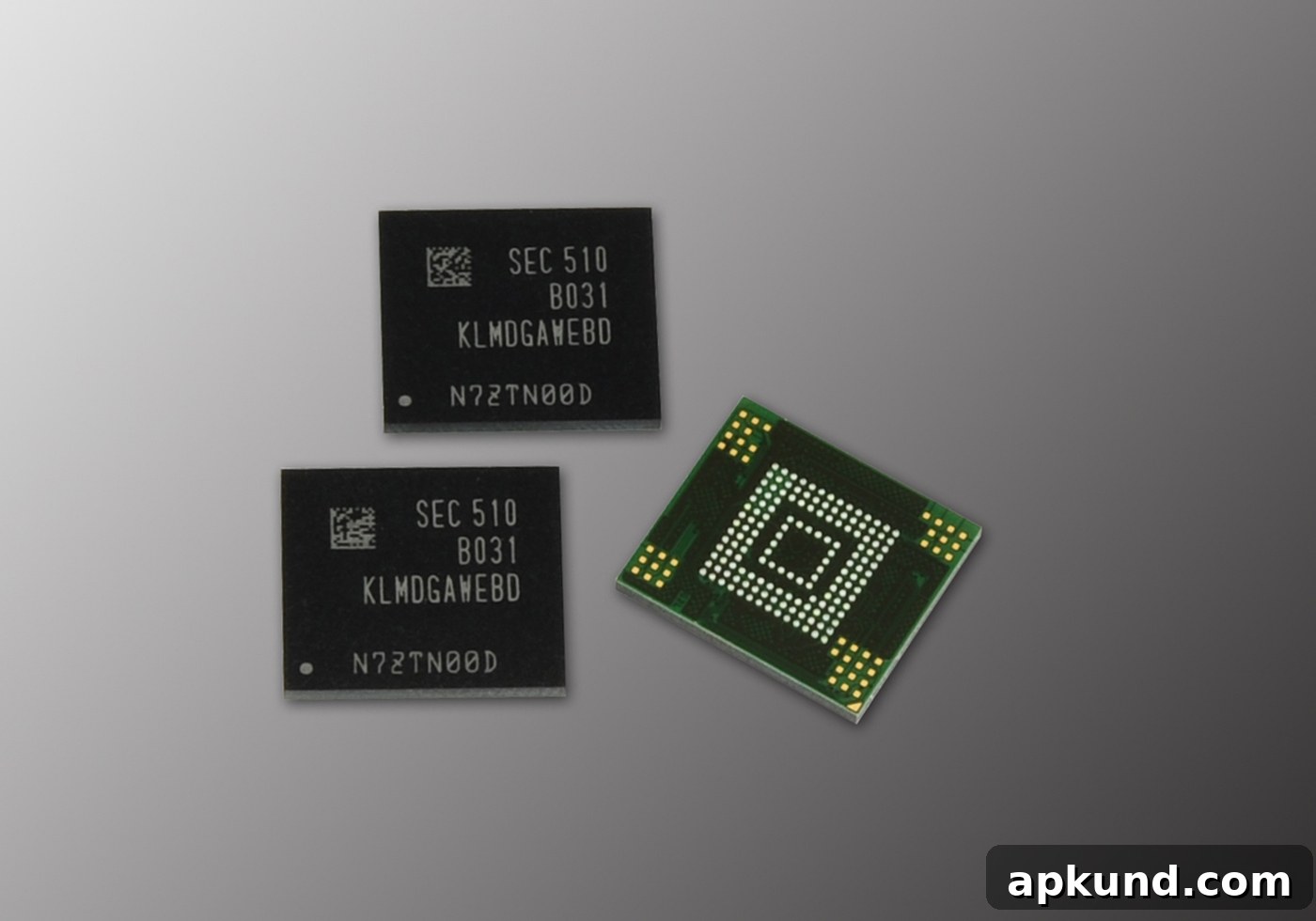
Samsung is shifting part of its everyday RAM production to outside assemblers so it can redirect factory capacity and investment toward building AI-focused memory chips. If you plan to buy a new laptop, desktop, or upgrade your system memory in the coming months, this change is worth noting.
Today, Samsung is one of the two largest manufacturers of the DRAM modules used in ordinary PCs and laptops. When a company of that size reallocates production away from standard DDR5 memory to chase higher-margin opportunities in AI, it raises practical questions about availability, consistency, and long-term quality. Customers and system builders should pay attention to how this transition could affect the RAM market and product reliability.
According to industry reporting, Samsung will move final assembly of standard DDR5 memory modules to three external partners: Dreamtech in India, Hanyang Digitech in Vietnam, and SFA Semicon in the Philippines. These firms specialize in module assembly and packaging rather than wafer fabrication. Samsung’s factories will continue to manufacture the memory chips themselves, but the final step—assembly, testing, and packaging—will be performed by these third parties. That handoff narrows Samsung’s direct control over the end-to-end process, which is where supply chain complexity and quality variation can arise.
The rationale for the change is straightforward. Samsung is prioritizing production of high-bandwidth memory (HBM), which is tailored for AI accelerators and data-center workloads. HBM commands a significantly higher price than standard DDR5 and is critical to the performance of modern AI systems. Samsung has been investing heavily to expand HBM capacity as it seeks to close the gap with competitors in that segment. Freeing up assembly lines for HBM and increasing capital investment in HBM fabs is the immediate business motive behind outsourcing DDR5 assembly.
It’s important to be clear about what is and isn’t changing. Samsung says it will continue to manufacture the memory dies, the silicon chips themselves. The change affects the later stages of production—assembling the dies onto PCBs, testing, and final packaging. While those steps might seem less glamorous than chip fabrication, they are crucial for module performance, endurance, and consistency. Introducing new partners into that stage increases the number of touchpoints in the supply chain and makes consistent quality control more challenging.
What this means if you’re buying a new computer
For most consumers, this shift won’t cause an immediate shortage of RAM on store shelves. The bigger short-term risk is a longer, less predictable supply pipeline. Outsourced assembly can introduce variability in lead times and responsiveness, especially if demand spikes. If the new assemblers scale up slower than expected or encounter production issues, module availability could tighten and delivery times could stretch.
Another practical implication is traceability and quality assurance. When Samsung handled assembly entirely in-house, it could apply uniform testing processes and quickly isolate any production issues. With assembly performed by external partners, buyers and system builders should be more attentive to product labels and manufacturer markings on memory modules. Knowing which company did the final assembly could be useful if you need warranty service, encounter early-life failures, or want to verify compatibility and performance claims.
Prices are unlikely to fall immediately as a result of this move. With Samsung diverting resources toward higher-margin HBM production, and overall demand for memory remaining robust, the market dynamics that influence DDR5 pricing are expected to stay firm in the near term. If you are shopping for RAM or a new laptop, expect modest price stability rather than rapid declines.
Practical advice for buyers: when purchasing a new PC, notebook, or individual memory modules, check the product labeling and keep receipts and warranty information. If you’re building a PC or buying in bulk for business use, consider ordering a little earlier than usual in case lead times shift. If you receive early batches assembled by the newly engaged partners, test them thoroughly and document any issues immediately so warranty claims can be processed without delay.
Ultimately, Samsung’s decision reflects the broader industry pivot toward AI infrastructure and the premium placed on HBM technology. For end users, the outcome will depend on how smoothly external assemblers scale and how rigorously Samsung supervises quality control. Paying attention to assembly origin, keeping good records, and allowing extra time for procurement are simple, practical steps to reduce risk while the market adjusts.