
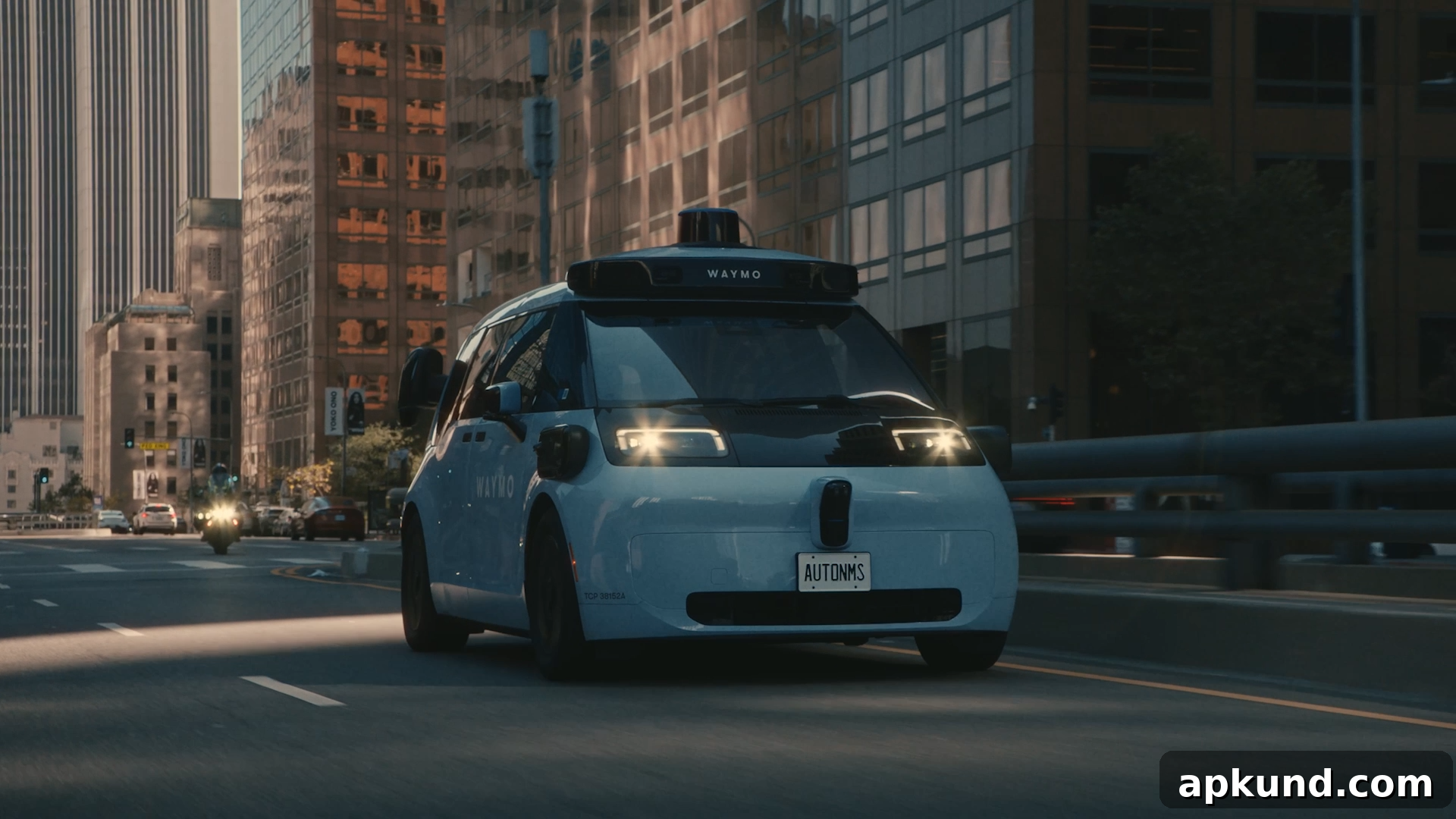
Waymo has announced plans to expand its autonomous taxi service to Singapore, with the company aiming to begin commercial operations there by 2028. The rollout will follow a careful, safety-first approach and will be coordinated directly with Singaporean authorities, reflecting Waymo’s focus on working alongside local regulators and transit planners.
The service will be offered through the Waymo app and will be introduced in phases. Early stages will emphasize testing, training, and integrating the self-driving vehicles into Singapore’s tightly woven public transportation network. Waymo says its expansion into Singapore is part of a broader international growth strategy that includes recent plans to enter other markets.
Tekedra Mawakana, Co-CEO of Waymo, commented on the move, highlighting Singapore’s strong transportation framework and the company’s commitment to responsible deployment. She emphasized that Waymo intends to listen to local communities, create skilled operational jobs, and coordinate closely with national leaders to complement existing transit services.
Singapore has built one of the safest, most efficient, and most forward-thinking transportation ecosystems in the world. Their focus on reliability, sustainability, and human-centric progress directly mirrors how we have built Waymo’s technology and service. As we begin our journey here, we are committed to listening to the community, creating high-skilled local operational jobs, and working hand-in-hand with national leaders to complement Singapore’s world class public transit network.
We are honored to collaborate with the Ministry of Transport and Land Transport Authority to take this thoughtful step forward, bringing our proven commercial safety record to the Lion City.
READ: Waymo’s Robotaxis Arrive in 3 New Cities Across the United States
Operations in Singapore will begin with an initial fleet composed of all-electric Jaguar I-PACE vehicles. Those vehicles will arrive months before the public commercial launch so Waymo’s teams can train the autonomous system on local roads and conditions. During this period, trained specialists will manually drive the cars to collect route data and to help the system adapt to Singapore’s road rules, traffic patterns, and weather variations. This hands-on, iterative process is designed to ensure the highest possible safety and reliability before offering rides to the public.
Waymo’s approach emphasizes integration rather than replacement: the company aims to complement Singapore’s world-class public transit, not compete with it. By coordinating schedules, pick-up and drop-off locations, and service areas, the goal is to provide first-mile and last-mile options that connect seamlessly with existing bus, rail, and other transport services. This integration could improve accessibility for riders, reduce congestion during peak travel times, and offer a sustainable electric option for on-demand trips.
Safety remains central to the rollout. Waymo highlights its commercial safety record and says that every step of the Singapore deployment will follow strict testing and validation protocols. Local teams will be hired and trained to operate and maintain the fleet, support customer service needs, and work with regulators on ongoing evaluations. The company has indicated that it will remain responsive to public feedback and will adjust its operations as needed to meet local expectations and standards.
For residents and visitors, the phased introduction offers time for the community to become familiar with autonomous vehicles on the roads. As Waymo collects more localized data and refines its systems, the company expects to scale service coverage and availability, ultimately making autonomous, all-electric rides a practical option across designated areas of the city-state.
Overall, Waymo’s planned expansion to Singapore represents a measured step in bringing autonomous mobility to dense urban environments. By prioritizing safety, collaboration with authorities, and a clear plan for integration with public transit, the company aims to make its service both useful and widely accepted when it launches commercially in 2028.