
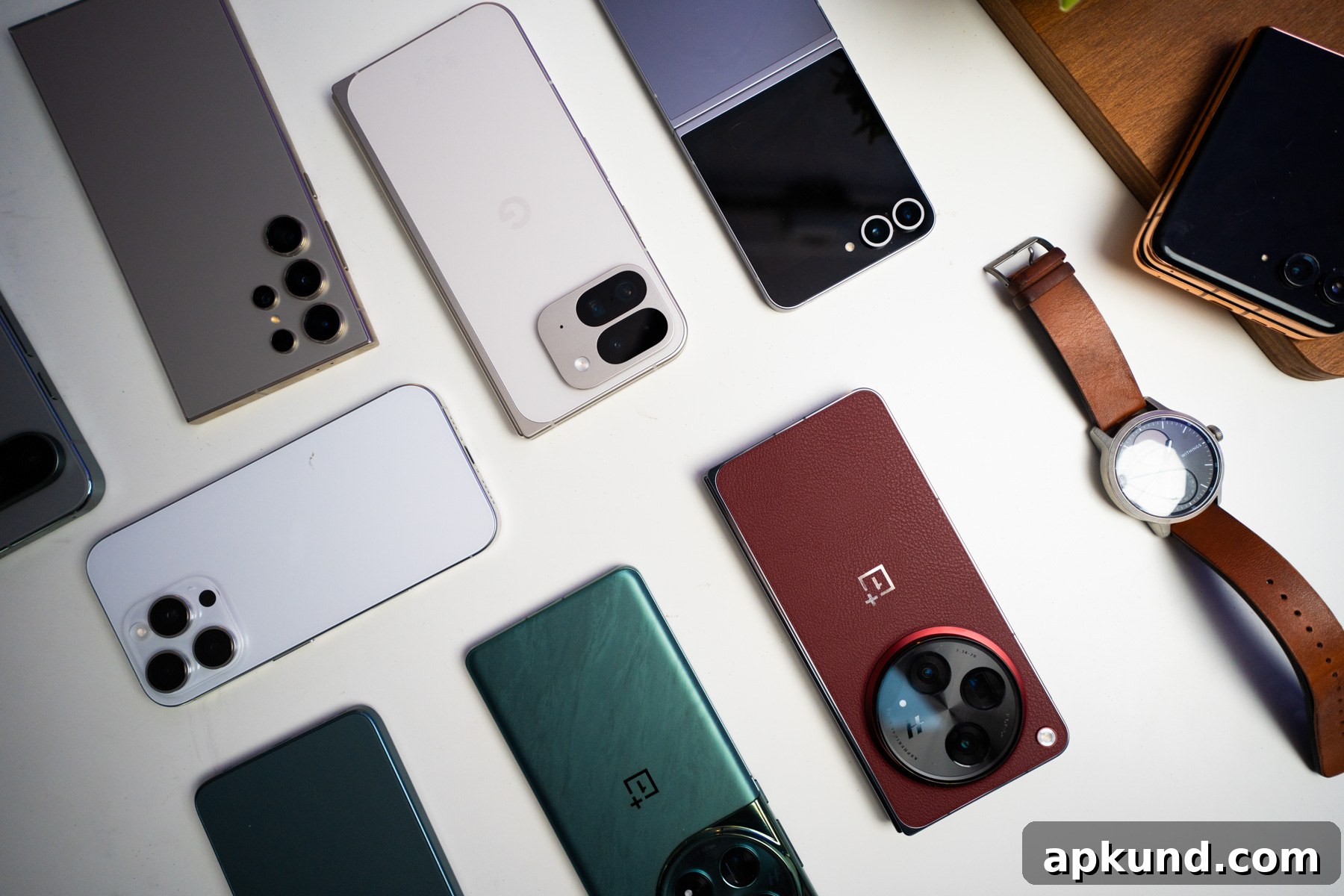
Choosing an Android phone has never been more complicated. The market is crowded with capable devices at every price point, and marketing language often buries the specs that actually matter. The right phone depends less on the biggest numbers on a spec sheet and more on how you use the device every day. Someone who edits video needs a very different phone from someone who spends most of their time in spreadsheets. Start with your habits, not the hype.
Gaming
Mobile gaming has evolved rapidly, and many phones now deliver visuals and performance that approach console quality. If you want rich graphics and immersive environments, modern titles push hardware with detailed models, real-time lighting, and fast frame rates that make on-the-go gaming genuinely enjoyable.
For people who prioritize gaming, smooth animations, minimal load times, good thermal management, and displays that stay readable in daylight all matter. Flagship chipsets paired with high-refresh-rate panels provide the most consistent experience across demanding titles. The Samsung Galaxy S24 Ultra, for example, offers a top-tier chipset and a 120Hz QHD+ display that keeps gameplay fluid while avoiding thermal throttling in prolonged sessions.
The OnePlus 12 is another strong choice for gamers who want accurate, punchy colors and efficient cooling under load. For budget-conscious players, the Google Pixel 8a delivers surprising performance for casual and mid-level gaming, offering reliable frame rates for most popular mobile titles without breaking the bank. When choosing a gaming phone, consider display responsiveness, sustained performance under heat, and battery impact during long sessions.
Work and Productivity
If you treat your phone as a portable workstation, you need more than raw processing power. Multitasking, document editing, video calls, and frequent app switching all tax different system resources. RAM management and software optimization play a major role: a phone that aggressively kills background apps will frustrate anyone who flips between a spreadsheet, messaging, and a browser.
Devices designed for productivity tend to include extra features like desktop modes, generous RAM configurations, and long-lasting batteries. The Samsung Galaxy S24+ is well-suited to power users thanks to its desktop-style connectivity and robust memory, which help keep multiple apps ready when you switch between tasks. It also typically delivers a full workday of battery life under sustained use.
Pixel devices remain attractive for people deeply invested in Google’s productivity ecosystem, with features that streamline email, calendar, and document workflows. Security and timely updates are another advantage for professionals handling sensitive information. If voice clarity and extended call reliability are priorities, some phones provide dedicated hardware or audio features that improve call quality and compatibility with wired headsets—features still appreciated by frequent callers.
Content Creation
Smartphone cameras have democratized content creation, but not all camera systems are created equal. Beyond megapixel counts, sensor size, aperture, optical stabilization, and video codec support determine what creators can capture and how flexible they can be in post-production. For people who post regularly to social platforms or produce long-form video, a phone’s camera system is the primary tool.
Devices that excel in computational photography tend to produce consistently accurate color and strong detail, even in challenging light. Telephoto lenses add versatility for portrait and distant shots, while support for higher-resolution video and log formats benefits creators who color-grade footage. Some flagship phones also include stylus support or advanced editing features that help when refining shots or annotating storyboards directly on the device.
When choosing a camera phone for content work, look at real-world image samples and video modes rather than just headline resolution. Consider whether the device supports the codecs and formats you prefer, whether stabilization is reliable for handheld shooting, and how editing and file transfer fit into your existing workflow.
Battery Life and Travel
For many people, battery life is the single most important factor. Field workers, frequent travelers, and commuters often prioritize a phone that reliably lasts through long days. A well-optimized phone with a moderate battery can outperform a device with a larger cell but poor power management.
Mid-range devices with large batteries often deliver the best endurance-per-dollar. Phones with 5,000 mAh batteries and efficient processors can easily reach two days of moderate use. Fast-charging technologies also matter: higher-watt wired or wireless charging can restore a significant portion of battery in a short time, which is invaluable when you have limited access to power.
Travelers should consider connectivity features, offline capabilities, and adaptive battery systems that learn usage patterns over time. Offline maps, reliable translation tools, and robust roaming or satellite connectivity options can make a phone far more useful abroad. When planning a purchase for travel, weigh battery capacity, charging speed, and the phone’s offline features alongside its primary performance characteristics.