
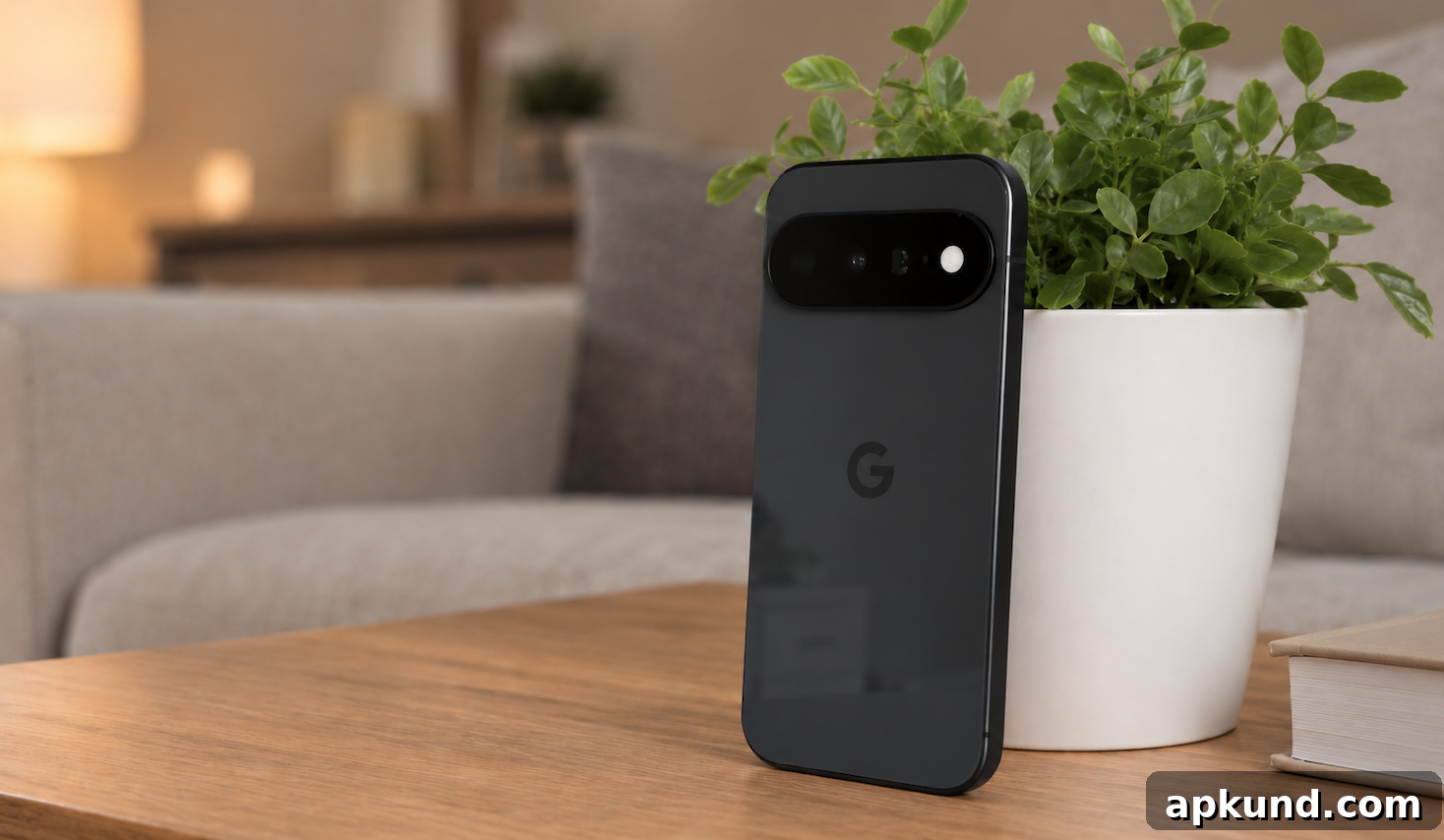
There’s no denying that Apple’s yearly iPhone updates often bring meaningful improvements, and the iPhone 18 Pro series is no exception. Features such as the variable aperture, the new A20 Pro chip, and a vapor chamber cooling system make the 18 Pro models especially appealing for performance-oriented users who edit content or play demanding games. These hardware advances bring the iPhone closer to parity with competitors in areas where it has traditionally excelled.
Still, the iPhone 18 Pro isn’t the right choice for me.
That’s not to say I don’t admire what Apple has accomplished with iOS and the iPhone’s build quality. Apple’s hardware and engineering are top-tier, and iOS has many strengths. But in a market where flagship phones increasingly match one another in raw performance, the small software details and daily workflow differences have become the deciding factors for me—and those nuances keep me using Android as my daily driver.
Simple and Straightforward
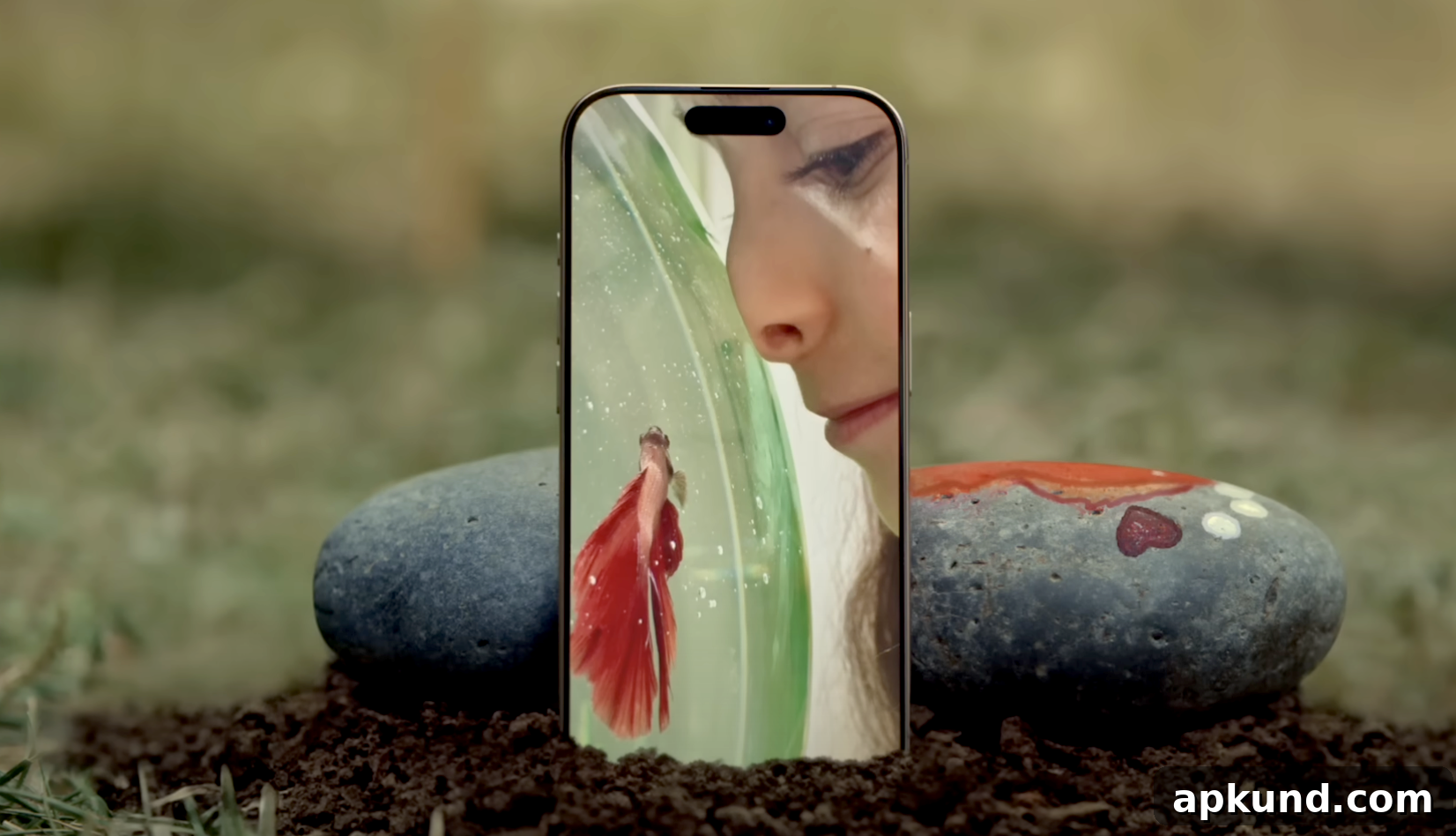
To illustrate, consider how music is imported onto a phone. On Android, the process is familiar and straightforward, much like using a Windows PC. You download or copy music files to the device or transfer them from external storage, then open them in your preferred music app—YouTube Music or Samsung Music, for example. That simplicity makes managing a personal library quick and predictable.
On iOS, importing music often requires an intermediary device such as a computer or the Apple Music app/iTunes, or a manual sync via cable. That extra step makes what should be a simple task feel unnecessarily cumbersome. This extends into file management as well: Apple’s Files app is useful, but it remains sandboxed compared with Android’s more open file system. Android can grant more direct access to folders and system-level files, resembling the straightforward file management model of desktop platforms.
The Age of AI
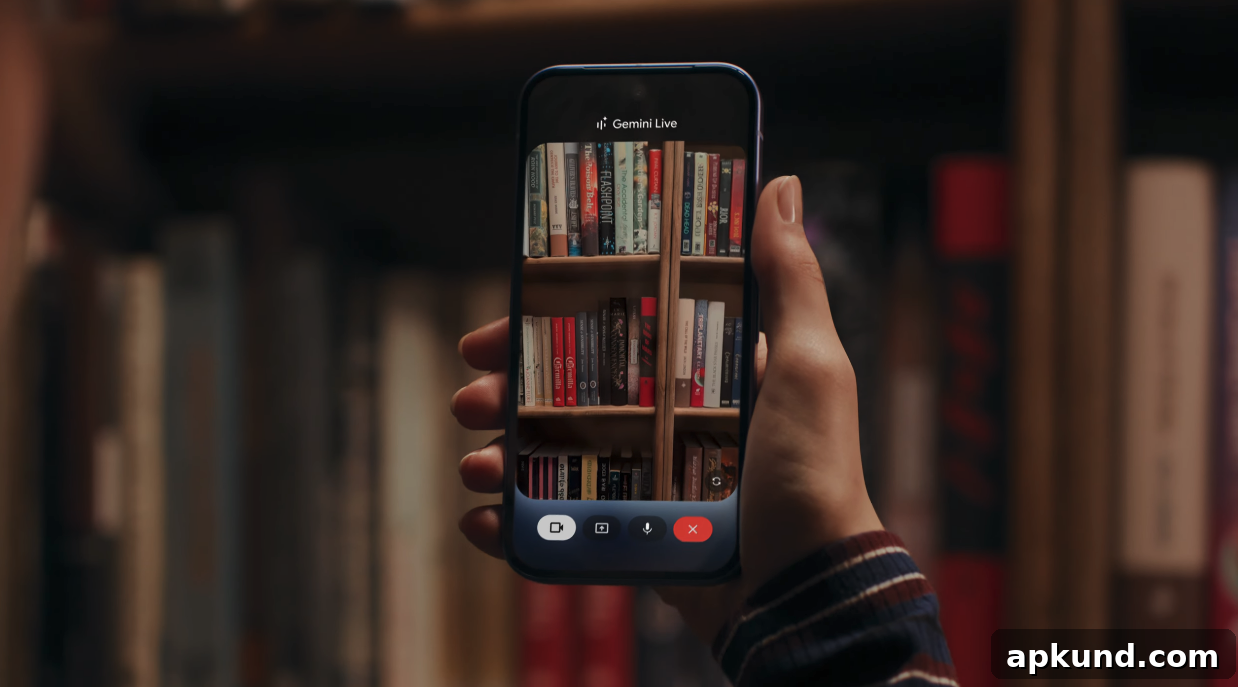
AI assistants are now a core expectation, and this is another area where experience differs. Siri has improved over time, but it still trails behind more advanced assistants in some conversational and task-driven scenarios. Too often Siri returns a “here’s what I found” style response instead of offering a concise, actionable answer.
Android’s AI and search features, including tools like Circle to Search, provide convenient, one-step access to image-based queries, on-the-fly text extraction, and instant translations. While Google has brought similar functionality to iOS via the Google app, those features aren’t always as deeply integrated into the iPhone experience. For day-to-day convenience, Android’s tighter integration of these AI-powered tools often feels smoother and more immediately useful.
Everyday Use
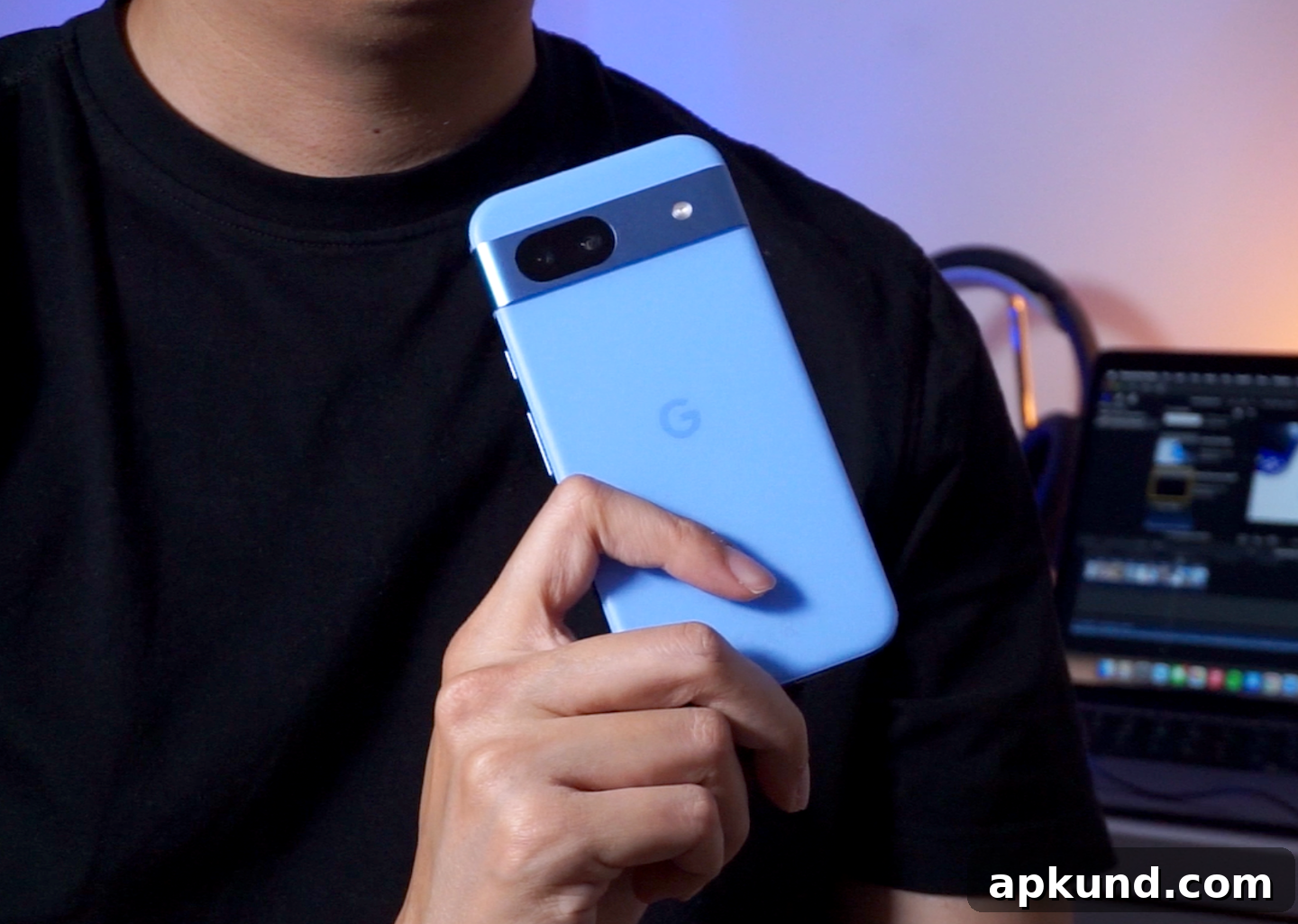
I’ve switched between iOS and Android several times. I use the same core apps across both platforms and generally spend a similar amount of time on them. I value features like Apple’s call screening and Google’s spam-handling—both work, but they differ in approach. Google’s call screening can intercept and manage unknown callers without interrupting you, while Apple’s approach often still allows spam notifications to appear. That small difference can reduce interruptions and improve focus during the day.
There are also occasions when iOS overzealously flags legitimate unknown callers as spam, whereas Android may allow those calls through. These everyday friction points add up and influence which platform I choose for daily use.
On the Other Hand…
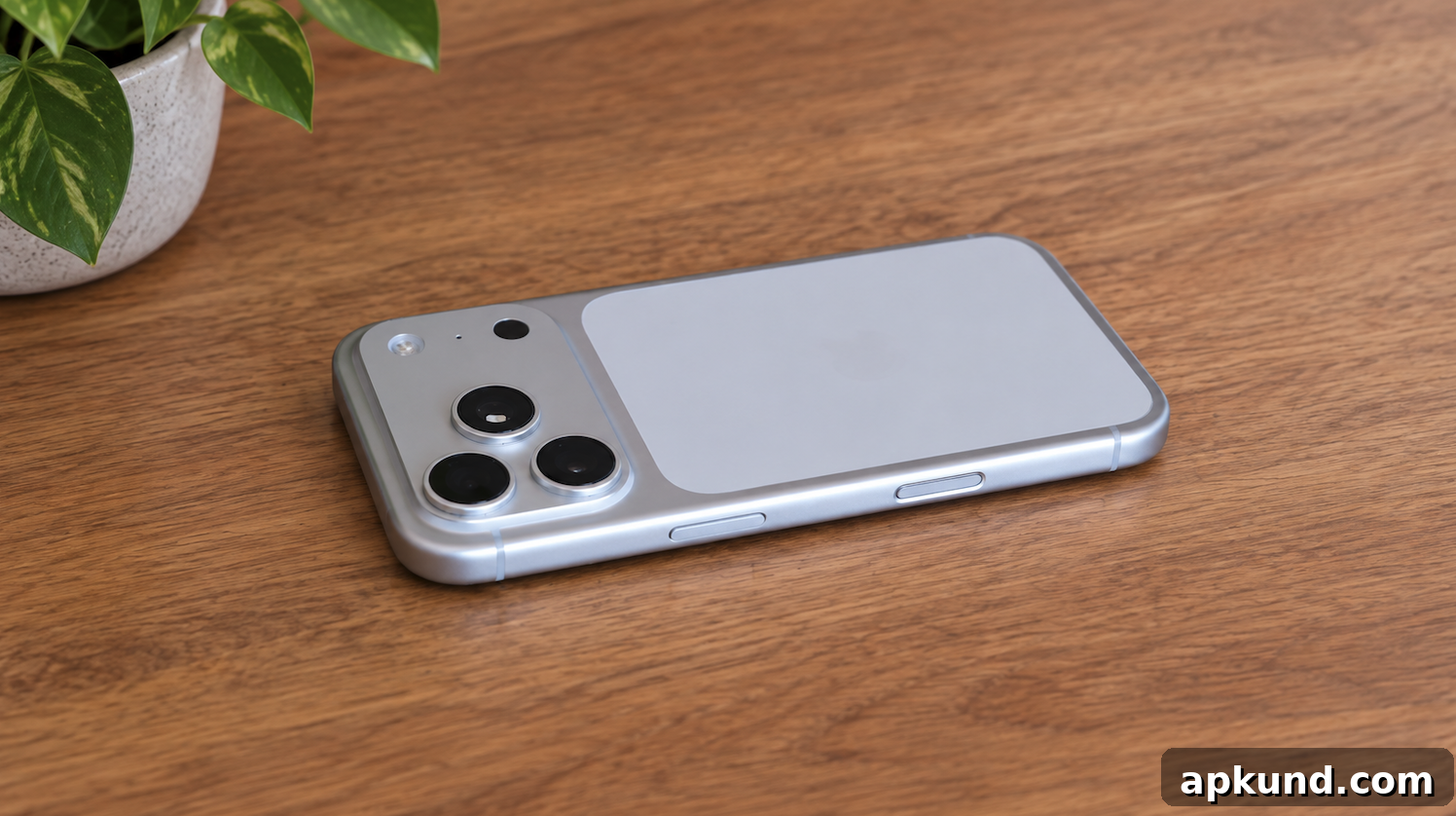
That said, Android is not categorically better in every respect. I maintain a mixed ecosystem that includes macOS alongside iOS and Android devices. Apple’s ecosystem remains a benchmark for integration—Find My, AirDrop, iMessage, and FaceTime all work reliably and smoothly across Apple devices. Those conveniences are hard to beat, and Android has been steadily improving in these areas.
Apple also sets a high standard for customer service and aftersales support. The in-store experience and services like AppleCare are consistently polished, and many Android manufacturers have not matched Apple’s level of coordinated global support.
The Bottomline
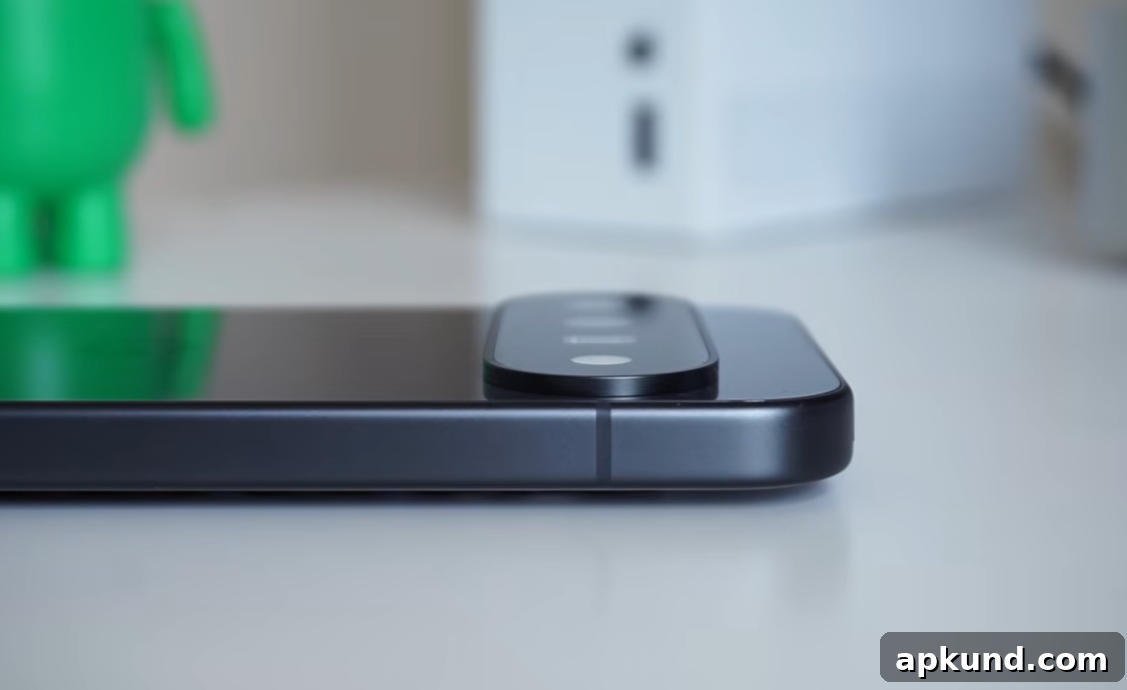
Ultimately, my preference comes down to software and daily convenience rather than raw performance. Apple’s latest iPhone 18 Pro phones are impressive machines with excellent hardware, but they don’t address the specific software workflows and small efficiencies that matter most to me. For now, Android better fits my habits and priorities, so I’ll keep using it as my primary platform.
READ: All of Apple’s Current iPhone Models Just got $100 More Expensive
Preferences can change, and Apple may close some of these gaps over time. For the moment, though, I’m content staying on the “greener” side of the pasture—Android gives me the software flexibility and day-to-day convenience I value most.