
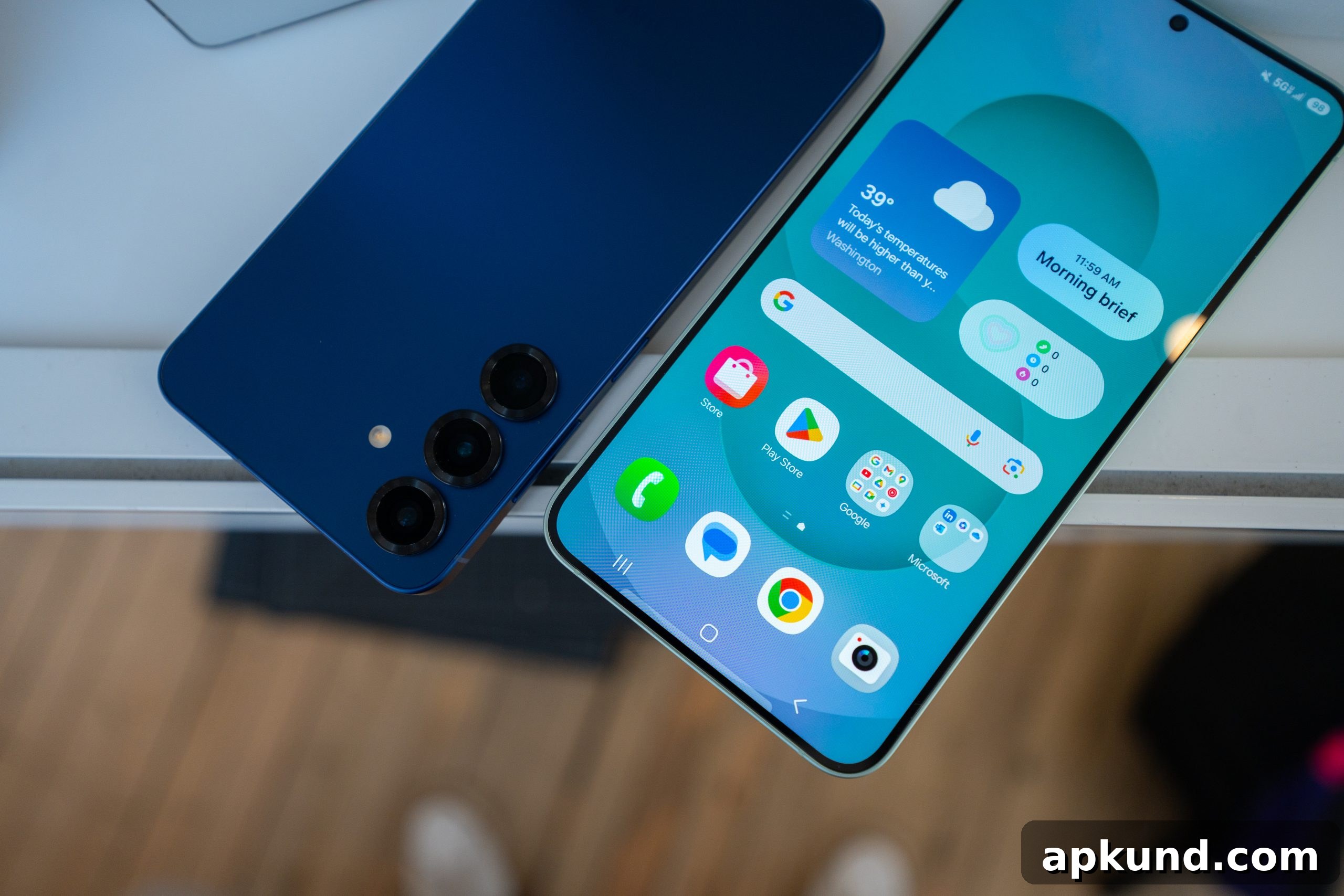
Samsung’s pricing plans for the Galaxy S26 have swung back and forth in recent weeks, but the latest industry reports suggest a stable outcome for consumers. Earlier rumors warned that the Galaxy S26 base model could rise by $30 to $50 due to higher memory costs and currency weakness in Korea. New information from industry insiders, however, indicates Samsung is likely to maintain prices across the S26 family instead of raising them.
According to Tech Maniacs, Samsung insiders say the Galaxy S26 will start at $799 for the base model, matching the Galaxy S25’s entry price. The Galaxy S26 Plus is reported to remain at $999, while the Galaxy S26 Ultra is expected to hold at $1,299. There is a notable detail beneath that headline stability: Samsung may shift the default base storage on its entry model from 128GB to 256GB. That change would improve value for buyers but could be seen as a technical price adjustment if you compare configurations strictly by storage. Conversely, the 512GB version could receive a modest price reduction, improving options for users who need more onboard storage.
Why Samsung changed its mind
The decision to keep prices steady appears to be driven largely by competition and market positioning. Apple continues to offer the iPhone 17 at a $799 base price, and Samsung is unlikely to give buyers a financial incentive to switch to Apple. Earlier reports linking potential price increases to rising DRAM and NAND costs raised concern: memory module prices rose significantly over the past year, and some analysts predicted further increases into late 2026. Those forecasts prompted speculation that handset makers would pass costs directly to consumers.
Samsung’s situation differs from many competitors because it manufactures a substantial portion of its own memory chips. That vertical integration gives Samsung greater flexibility to absorb part of the component cost increases. Industry sources suggest Samsung is prepared to accept a 10–15% reduction in margins on its flagship line rather than risk losing market share through higher retail prices. If accurate, that approach would mark the fourth consecutive year Samsung has kept U.S. flagship pricing steady—an uncommon trend in an era when many brands raise prices annually.
The choice to maintain prices also reflects a broader strategic focus: keeping the Galaxy S series competitively priced helps preserve Samsung’s share in premium smartphone segments. Stable pricing reduces friction for customers who are weighing trade-ins, carrier promotions, and ecosystem lock-in. By presenting a familiar price point, Samsung can emphasize incremental upgrades—camera improvements, processing power, battery life, and software features—without making the decision harder for budget-conscious buyers.
That said, the change in default storage for the base S26 model is an important nuance. Starting the base model at 256GB would alter how value is perceived, especially compared with earlier generations that began at 128GB. For many buyers, the larger default storage would be a clear benefit, removing the need to pay extra for a higher-capacity option. At the same time, a discounted 512GB variant would give power users better choices without a sharp sticker shock.
Confusion around pricing has been common this cycle. Only a month ago, reports about the entire S26 lineup’s cost were contradictory, with some sources predicting steep increases while others suggested Samsung was still negotiating with suppliers and weighing strategic options. The company’s decision to delay the Galaxy S26 launch to February 25 provided additional time to finalize those plans and coordinate inventory, marketing, and carrier agreements. That extra runway likely helped Samsung balance component cost pressures against competitive realities.
For buyers hoping to pre-order the S26, these latest leaks offer reassurance: if the reported pricing holds, launch prices should feel familiar rather than inflated. Consumers will want to watch the official announcement for final confirmation of configurations, storage tiers, and exact pricing. Until Samsung publishes the official retail details, industry reports like these provide the best indication of how the company is positioning the S26 series in a competitive market.