
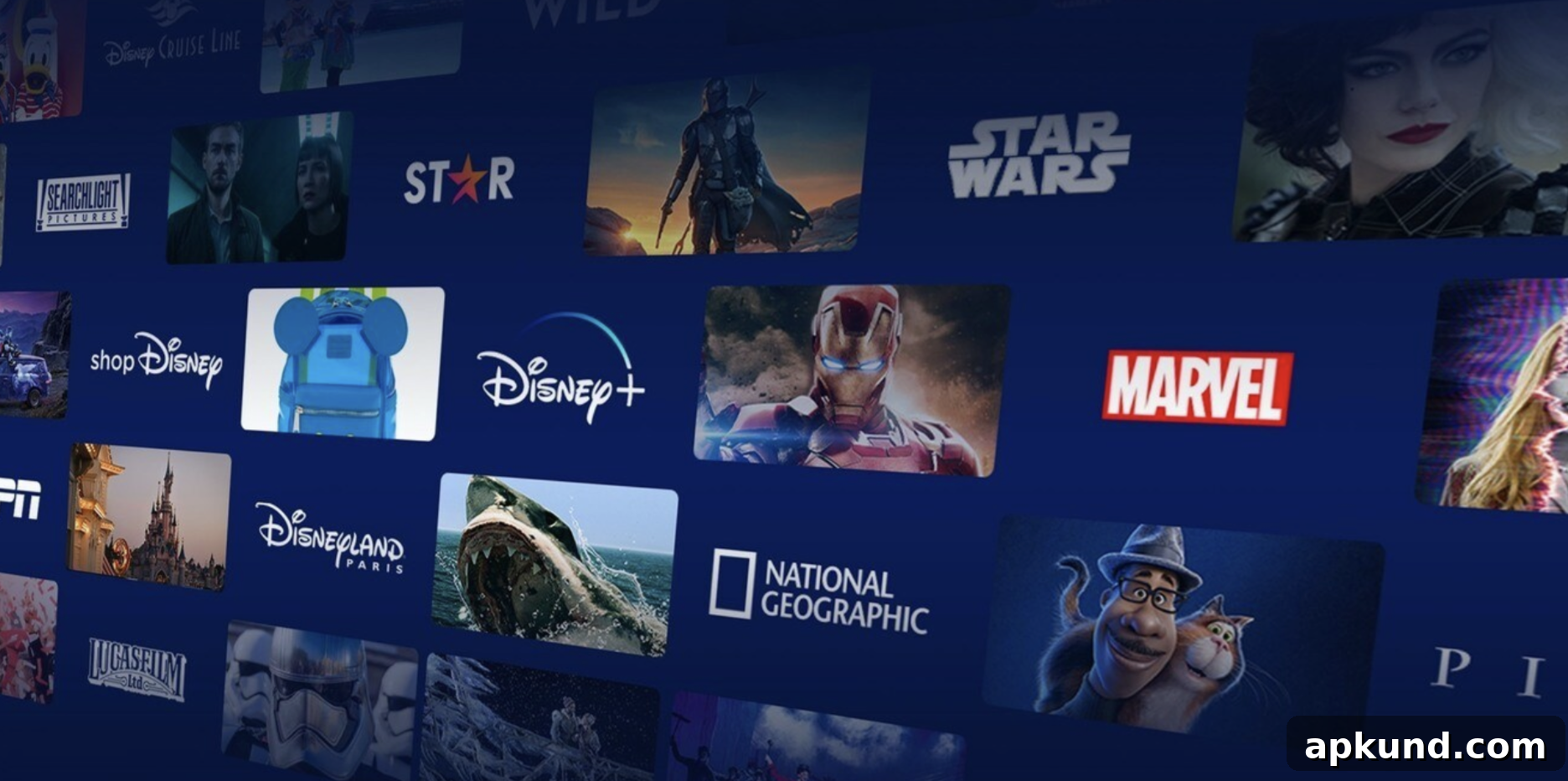
Most major streaming services already offer some way for viewers to watch for free, but Disney has resisted that shift longer than many competitors. The company has relied on its exclusive library of hit franchises and beloved classics to keep subscribers paying full price. That stance, however, may be changing. According to recent reporting, Disney executives have been discussing the idea of introducing a free tier for Disney+. Sources indicate such a tier would not include the platform’s entire catalog and would likely exclude the biggest, most valuable franchises.
The concept reportedly surfaced during an internal town hall meeting on July 9, when Adam Smith, Disney Entertainment’s chief product and technology officer, spoke with employees about potential product directions. He did not provide a timeline or detailed plans, and he did not specify which shows or movies would appear on a free tier. People familiar with the discussions say that marquee properties such as Star Wars and Marvel would probably remain behind the paywall, preserving premium content for paying subscribers.
At present, Disney already offers a lower-cost, ad-supported Disney+ subscription tier for a monthly fee. Introducing a truly free option would be a bigger step: Disney would make some content available at no subscription cost while monetizing that viewership with advertising. The company has not publicly confirmed any rollout plans or described the exact form a free tier might take, leaving many details unclear.
Why Disney Might Finally Cave
Free, ad-supported streaming services have been steadily claiming a larger share of viewers’ attention, creating pressure on traditional subscription-based platforms. Industry data show that ad-supported and free streaming destinations now account for a rising portion of overall viewing time, and that trend is nudging audience members away from paid services. Platforms like Tubi, The Roku Channel, and YouTube have been particularly effective at attracting viewers who favor free or ad-supported options.
For Disney, a free Disney+ tier would be a strategic response to that shift. By offering a selection of content at no cost, Disney could capture ad revenue from viewers who are unwilling or unable to subscribe while still protecting high-value titles for subscribers. A carefully designed free tier could act as an acquisition funnel: casual viewers sample the service for free, encounter ads, and may choose to upgrade to a paid plan to access premium franchises, new releases, or an ad-free experience.
Other streamers have already pursued variations of this approach. Some platforms release a limited number of episodes for free or make older seasons available to non-subscribers as a way to drive interest in full-season purchases or subscriptions. A similar hybrid model has been used successfully by several services that blend free, ad-supported content with premium offerings behind a paywall. In that context, Disney adopting a free tier would follow an industry pattern aimed at striking a balance between broad reach and subscription revenue.
There are clear benefits to such a move. A free tier could increase viewership and brand exposure, provide new inventory for advertisers, and help Disney remain competitive in an ecosystem where audiences expect multiple viewing options. It would also offer a channel to monetize viewers who otherwise watch on fully free platforms. At the same time, Disney can continue to leverage exclusivity by reserving the most desirable series and films for paying customers, preserving the value of its subscription tiers.
At this stage, the idea is still only under consideration, and Disney could decide not to proceed. Executives will likely weigh trade-offs—such as potential impacts on subscription revenue, brand positioning, and content licensing—before making any commitment. But as free, ad-supported streaming continues to grow, a free tier for Disney+ seems like a logical possibility for a company that must adapt to shifting viewer habits while safeguarding revenue from its most valuable properties.