
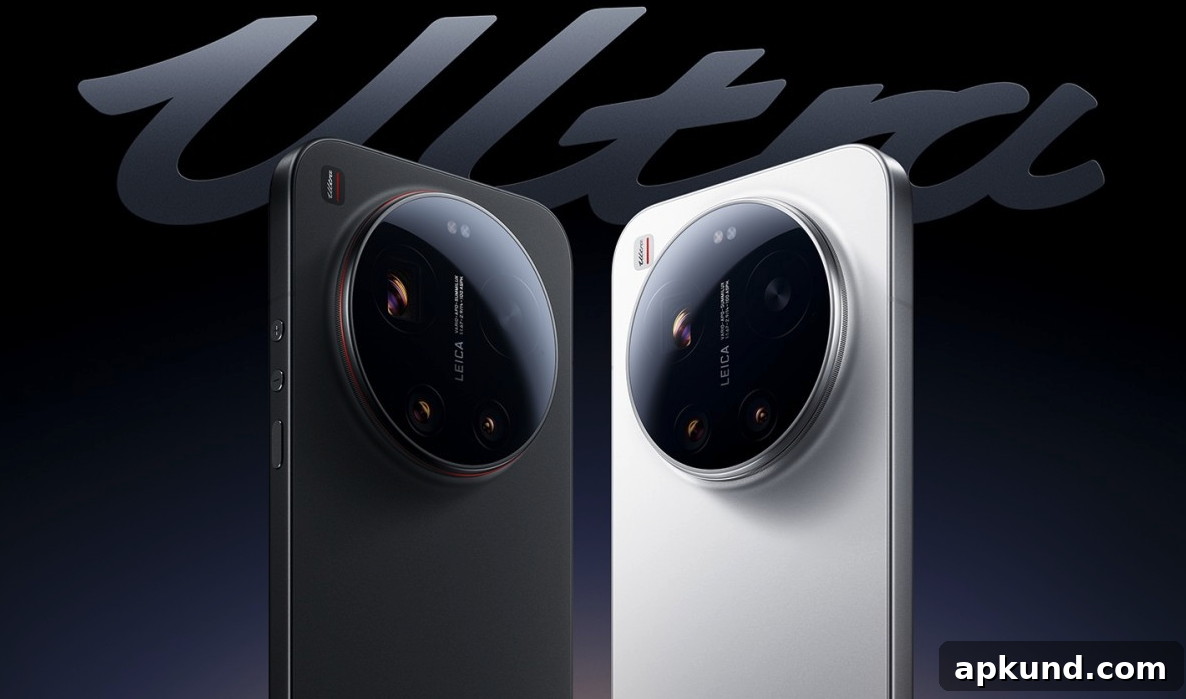
Xiaomi’s next flagship series may be scaling back in some ways. According to leaker Digital Chat Station on Weibo, the base Xiaomi 18 will not use Qualcomm’s highest-end Snapdragon 8 Elite Gen 6 Pro. Instead, the entry model is expected to ship with the standard Snapdragon 8 Elite Gen 6 or potentially a MediaTek Dimensity 9600 chip.
The decision appears to be financially driven. Qualcomm’s Pro-tier chip is manufactured on TSMC’s 2nm process and adds support for LPDDR6 memory, features that increase production costs. With global memory prices under pressure due to supply shortages, choosing a less expensive chipset helps keep the overall bill of materials lower for the base model. That means Xiaomi can control retail pricing while still offering competitive performance across the lineup.
Meanwhile, higher-tier variants in the family—the Xiaomi 18 Pro and 18 Pro Max—are expected to adopt the Snapdragon 8 Elite Gen 6 Pro. Those models are positioned as premium devices and can justify the higher component cost. The Ultra model, which typically launches later in the product cycle and represents Xiaomi’s top-of-the-range offering, is also expected to receive the Pro chip when it arrives.
Qualcomm’s splitting its flagship lineup
This situation is tied to a broader shift at Qualcomm. For the first time, the company is reportedly producing two distinct versions of its flagship chip: a standard Snapdragon 8 Elite Gen 6 and a higher-end Snapdragon 8 Elite Gen 6 Pro. The Pro version brings technical upgrades such as LPDDR6 support, a fully unlocked GPU configuration and higher clock speed capability, while the standard Elite Gen 6 delivers very strong performance without those premium extras.
The Pro variant is being targeted at the most premium, Ultra-branded devices from manufacturers like Xiaomi, Oppo and Vivo. Other brands and more mainstream models will make do with the standard chip, allowing Qualcomm’s partners to align product capabilities with different price points. This tiered strategy mirrors prior approaches by Qualcomm, where multiple silicon tiers allow manufacturers to tailor features and costs across their portfolios.
Even with a Pro chip available, manufacturers still have flexibility in how they configure memory and other components. For example, a device using the Pro chipset could be paired with older LPDDR5X RAM instead of LPDDR6 to reduce cost, although that would sacrifice the full bandwidth and power-efficiency advantages of LPDDR6. Reports suggest that even that option might not be enough for Xiaomi’s base model strategy, which appears focused on preserving competitive pricing for the majority of buyers.
Xiaomi has a history of launching new flagships shortly after Qualcomm announces its latest silicon. The company has often been among the first to bring new Qualcomm chips to market, a pattern that has persisted for years. This time, however, component cost pressures and rising RAM prices may prompt Xiaomi to deviate from its usual all-in approach and instead mix chipsets across the lineup to balance cost and performance.
Previous Xiaomi flagships such as the Xiaomi 15 Ultra used top-tier silicon, and a base Xiaomi 18 that omits the Pro chip would mark a notable shift in strategy. That said, tiering components across different trims is a common practice in the smartphone industry, allowing companies to offer a compelling mix of features at multiple price points. If Xiaomi can maintain strong value in the base model while reserving the Pro silicon for higher-end variants, it may be a pragmatic decision in the current market environment.
From the consumer perspective, this approach means buyers should pay attention to which chipset a particular Xiaomi 18 model includes. The base Xiaomi 18 could be an excellent value if it balances performance and price effectively, but buyers seeking the absolute best GPU performance and memory bandwidth will want to opt for the Pro, Pro Max, or Ultra variants that are expected to use the Snapdragon 8 Elite Gen 6 Pro.
Overall, the rumored move highlights ongoing tensions between rising component costs, silicon roadmaps and manufacturers’ desire to deliver both high-end capability and competitive prices. How Xiaomi positions each variant in the lineup will influence buyer choices and could shape how other brands respond to the same supply and pricing challenges in the months ahead.