
Modern smartphone technology has made significant advances in battery design, and silicon-carbon batteries are among the most notable innovations. These batteries have helped ease “battery anxiety” by improving energy density, charging efficiency, and overall lifespan compared with older chemistries. As a result, many manufacturers have prioritized silicon-carbon solutions across their flagship and mid-range lines, racing to deliver longer-lasting devices without sacrificing slim, attractive designs.
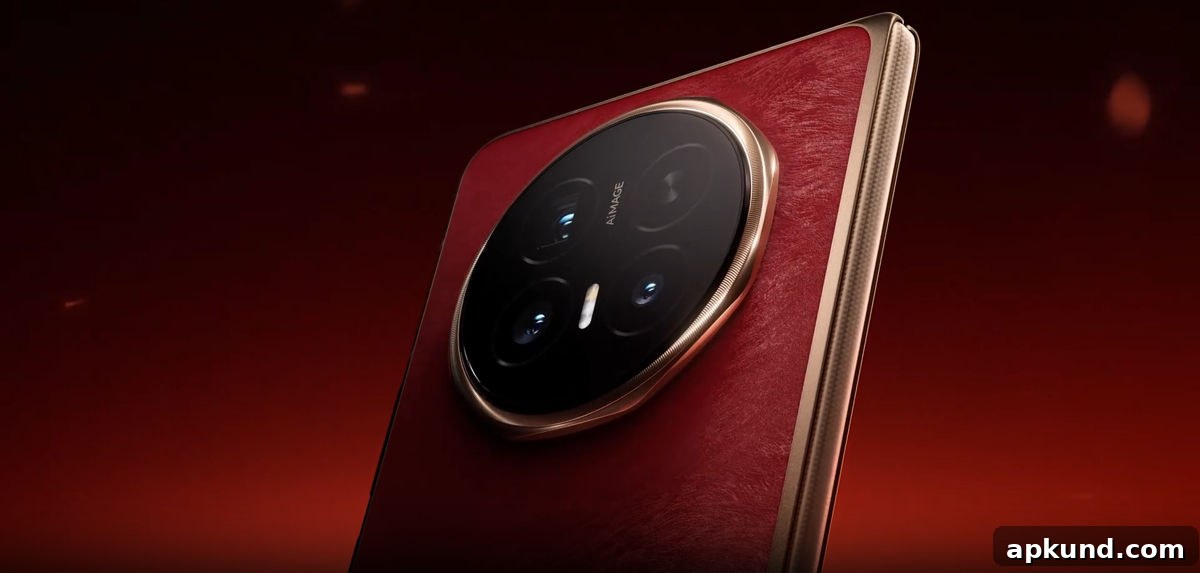
Honor is one of the companies actively promoting silicon-carbon battery technology in its next generation of devices. The company has begun teasing the Honor Magic V6, its forthcoming foldable flagship, ahead of a formal reveal at MWC 2026. While not all specifications are available yet, Honor has highlighted the phone’s battery as a defining feature: a 6,660 mAh silicon-carbon cell that the company describes as the largest battery currently offered in any foldable smartphone.
According to Honor, this battery was developed in partnership with ATL and leverages Honor’s fifth-generation silicon-carbon material. That combination aims to increase silicon content—Honor cites up to 25% silicon material in the anode—without making the cell significantly thicker. The result is a higher energy density delivered within a package suitable for thin and lightweight foldable designs. For users, the promise is simple: extended screen-on time and reduced need for frequent charging even when running demanding apps and multiple displays.
Honor has also teased a new “Silicon-Carbon Blade Battery,” which the company positions as its thinnest battery to date. The marketing emphasizes a form factor comparable to the thickness of a playing card, highlighting how modern battery engineering can combine high capacity with minimal bulk. Honor demonstrated this concept visually, showing the ultra-thin battery alongside a playing card to emphasize the compact profile.
Beyond raw capacity and thinness, silicon-carbon batteries aim to improve other practical aspects of smartphone use. Higher silicon content can boost energy density, but it also requires careful materials engineering to control expansion, ensure long cycle life, and maintain safety. Collaborations with established cell manufacturers like ATL typically focus on achieving those trade-offs: balancing silicon advantages with stable performance across hundreds of charge cycles. For consumers, the outcome is intended to be a battery that lasts longer between charges while still maintaining a reasonable lifespan and reliable thermal behavior.
Foldable phones present unique battery challenges because they must deliver enough power for two or more displays, sometimes with larger overall screen area than a traditional slab phone. Increasing capacity without making the device noticeably thicker is critical to preserving the foldable form factor and user comfort. Honor’s announcement emphasizes that the Magic V6 aims to address these demands by pairing a high-capacity silicon-carbon cell with a slim chassis design.
Honor’s marketing also hints that the Magic V6 will include refinements beyond the battery, but the company has reserved full technical details for the official launch event at MWC 2026. Until then, the focus remains on the new battery chemistry and the practical advantages that higher silicon content and a thinner profile could bring to the foldable phone category. If the claims hold true, the Magic V6 could set a new standard for how manufacturers approach power solutions in premium foldable devices.
In summary, silicon-carbon battery technology continues to push smartphone endurance forward, and Honor’s preview of the Magic V6 highlights how those advances are being applied to foldables. A 6,660 mAh silicon-carbon battery developed with ATL and a next-generation thin blade battery are central to Honor’s pitch: more capacity, thinner design, and the potential for noticeably longer daily use on a single charge. More complete specifications and real-world testing will arrive with the MWC 2026 unveiling, when readers will be able to compare the Magic V6’s battery performance to other leading devices.