
You open your phone for a quick game and suddenly more time has passed than you expected. That has become the norm. Android devices now handle everything from simple puzzle games to full-scale multiplayer titles with ease. The line between casual and complex gaming has blurred.
That shift appears in places you might not have expected a few years ago. You no longer need to travel for the kinds of entertainment that once required a special place or setup. West Virginia is a clear example: experiences that once demanded a trip now appear on the same screen as your messages and media. Your habits haven’t changed much; the device has.
Mobile Gaming Already Replaced the Old Setup
Look at what is already on your phone. Titles like Call of Duty Mobile and Monopoly Go are no longer “small” experiences. They support long sessions, save progress reliably, and let you step in and out throughout the day. Instead of setting aside a block of time, you’re fitting play into your routine.
That behavior carries into other forms of entertainment too. Portable play is no longer niche — it has become the default, especially as updates continue to streamline performance and accessibility. Devices and services are designed so you can move play away from fixed consoles and into your pocket without sacrificing quality.
The Devices Running It All
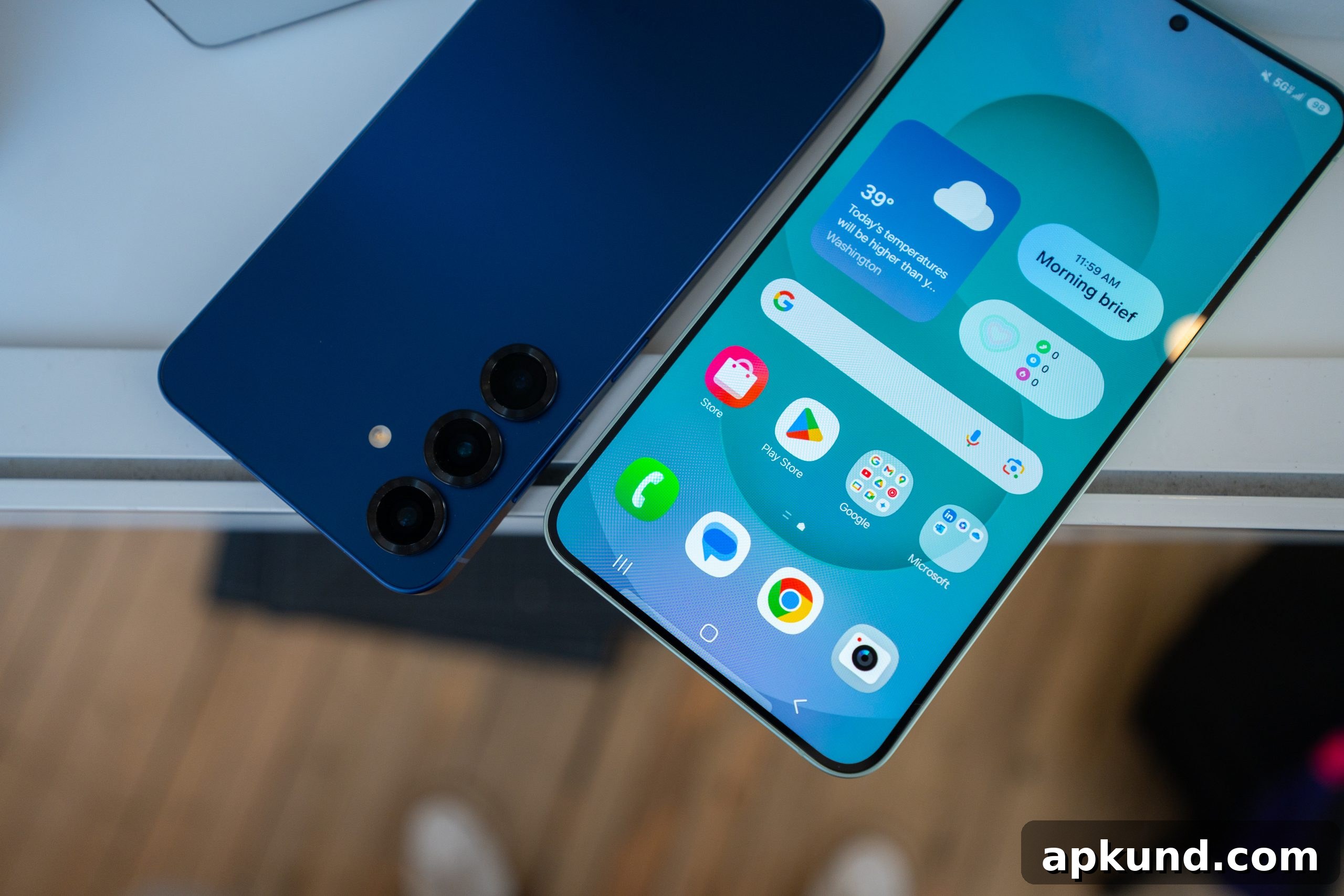
It isn’t only about apps; hardware has caught up. Mid-range Android phones now manage demanding workloads without noticeable slowdowns. Better processors, higher-quality displays, and longer-lasting batteries mean sessions stay smooth and uninterrupted.
That improvement shows in load times and general responsiveness. Using many modern phones can feel closer to using a dedicated console than it did several years ago. New mid-range releases demonstrate that high performance is no longer exclusive to flagships, enabling more sophisticated apps to run well on everyday devices.
Where the Real Shift Shows Up
The real change isn’t limited to a single platform or device. There are multiple platforms with distinct designs, features, and incentives. Some load faster, some are easier to navigate, and others provide more upfront value. Users compare these options and choose what best fits their habits and expectations.
Clear, structured comparisons help with choice. For example, guides that list licensed platforms, sign-up bonuses, and mobile performance make it easier to understand differences at a glance. Those breakdowns matter because when everything looks similar at first, they reveal meaningful distinctions that guide better decisions.
The Numbers Behind the Change
The scale of the shift is substantial. The U.S. gaming market reached tens of billions in revenue recently, and digital channels now take a significant share of that activity. This trend reflects where attention and spending are moving.
West Virginia follows a similar trajectory. Monthly online casino revenue climbed substantially and continued rising into the following year. Weekly revenue figures that had been rare are now routine. These consistent gains indicate regular engagement rather than isolated spikes — people are logging in frequently, often in short, repeat sessions.
Why It Works Without the Casino Floor
There is a structured system behind this growth. State oversight, licensing, and compliance frameworks shape how platforms operate. That regulatory layer influences what appears on your screen: verified operators, standard checks, and clearly defined rules for who can offer services.
That structure matters. It makes these apps feel like other legitimate services on your phone: you install them, expect them to work properly, and trust they meet certain standards. It’s very different from downloading an unknown app and hoping for the best.
What You Actually Get on Your Phone
Inside these apps you’ll find comprehensive game libraries, including slot-style games, table games, and live formats. Interfaces are optimized for touch and mobile navigation instead of desktop layouts. Bonuses are common and often tied to initial engagement, but specific offers vary by platform.
The biggest advantage is convenience. Everything lives in one place on the device you already carry. There’s no travel and no waiting. Access is immediate.
The Way You Play Has Already Changed
Using these services ceases to be a major decision — they feel like any other app. You open them in-between tasks, while waiting for an appointment, or in short bursts throughout the day. That effortless availability is what makes the older, location-based model feel like extra effort by comparison.
In short, mobile gaming and related services have become integrated into everyday routines because the devices, software, and regulatory frameworks have evolved to support frequent, convenient, and reliable use.