
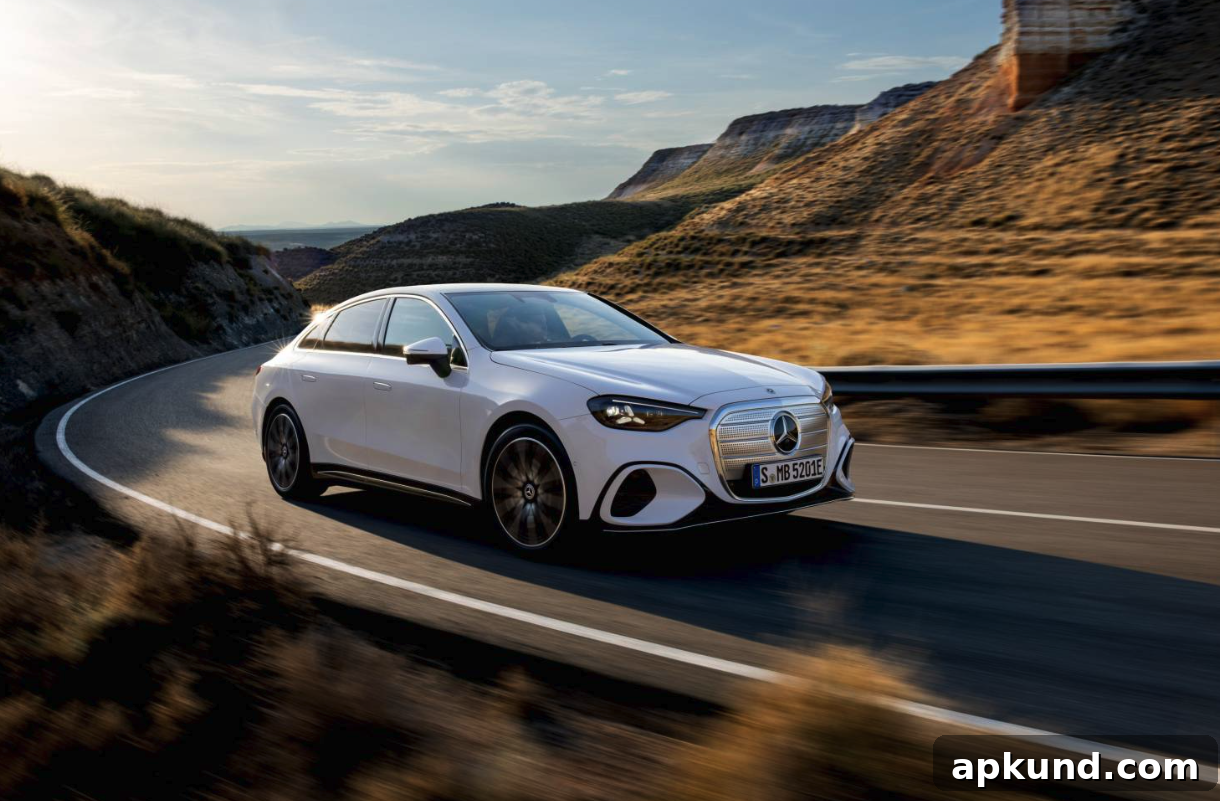
Auto giant Mercedes-Benz recently announced that it delivered 511,900 vehicles globally in the second quarter of 2026, marking a 2% increase despite challenging economic conditions and strong competition across Asia. Notably, the company recorded a substantial rise in global battery electric vehicle (BEV) deliveries, which climbed 51% year-on-year to reach 52,900 units. This growth underscores Mercedes-Benz’s accelerating transition toward electrified models and its investment in expanding BEV availability across key markets.
Regional performance and market trends
Although total car sales fell 8% to 417,800 units due to ongoing product transitions, markets outside China delivered a modest 2% increase in volume. Europe performed strongly, with overall sales up 4% and BEV deliveries surging by 87%, reflecting robust consumer interest in electric mobility and growing infrastructure support in many European countries. In Germany, electric vehicle sales more than doubled, lifting BEV market share to approximately 24% in the quarter — a clear sign that electrification continues to gain traction in Mercedes-Benz’s home market.
North America also showed encouraging momentum, with sales rising 13% to 91,300 vehicles. This expansion was driven largely by demand for core models in the lineup, such as the GLE, which remain central to the brand’s strategy in the region. The strength in North America highlights Mercedes-Benz’s ability to balance growth in traditional internal combustion engine segments while pushing forward its electrified offerings.
China and the luxury segment
In China, Mercedes-Benz maintained its leading position in the ultra-luxury segment above RMB 1 million. The company plans to introduce a new generation of locally tailored models in the second half of the year, designed specifically for Chinese customers and featuring AI-powered cockpits and advanced driver assistance systems. These localized developments aim to strengthen competitive advantage in one of the world’s largest and fastest-evolving automotive markets.
While the top-end segment experienced a 10% decline to 58,100 units overall, resilience was evident in select models. The G-Class, for example, achieved a 3% global increase in deliveries, demonstrating continued demand for iconic and premium utility vehicles even as shifts occur across the broader luxury landscape.
Commercial vehicles and structural stability
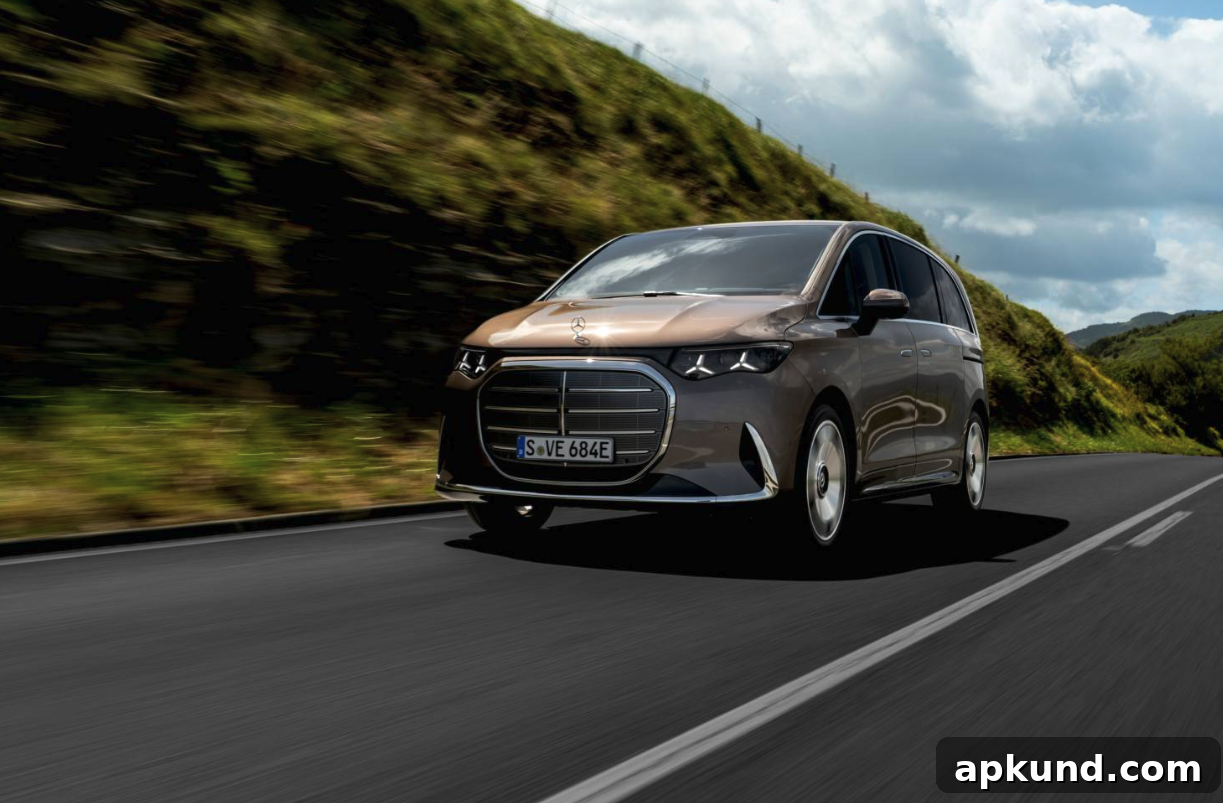
Mercedes-Benz’s van division remained steady in the second quarter, reporting sales of 94,100 units. This consistency points to stable worldwide demand for commercial vehicles and highlights the company’s diversified portfolio, which balances passenger car volatility with dependable commercial performance.
Outlook and strategic priorities
Looking ahead, Mercedes-Benz appears focused on several strategic priorities: accelerating electrification, expanding local product portfolios in key markets such as China, and integrating advanced software and AI features to enhance the customer experience. The strong BEV growth in the second quarter reinforces the importance of electrified models in the company’s future product mix, while stable results in vans and select luxury models demonstrate balanced performance across different business areas.
Overall, the second-quarter results reflect a transitional phase for Mercedes-Benz: the brand is managing product lifecycle changes while scaling up BEV production and tailoring offerings to regional preferences. Continued investment in electric technology, AI-enabled interiors, and driver assistance systems should help the company navigate competitive pressures and shifting demand patterns through the remainder of 2026.