
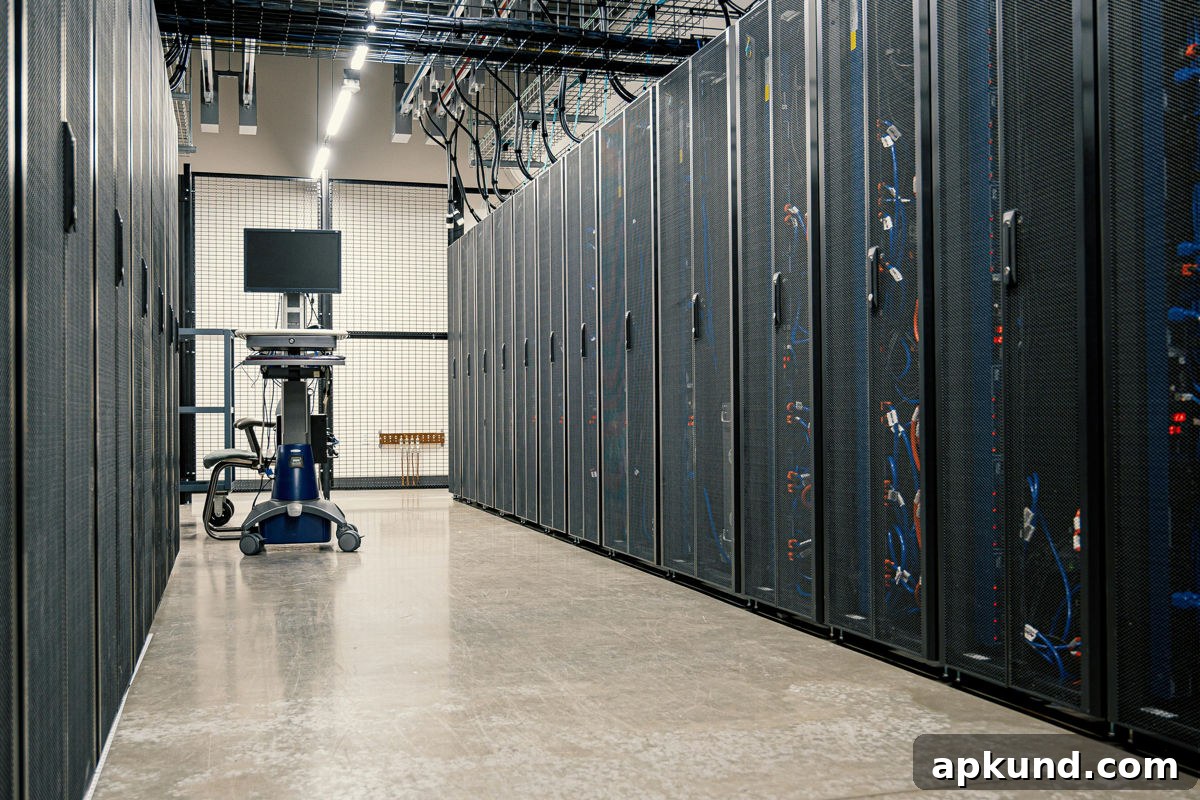
If you live in Texas and pay an electric bill, Governor Greg Abbott has moved to slow a major factor driving higher costs. This week he announced that Texas will pause approvals for new data centers that want to connect to the statewide power grid. The decision aims to give regulators time to review how proposed facilities could affect electricity demand, infrastructure, and other resources.
Why this affects your power bill
Data centers are large facilities filled with racks of computer servers that run cloud services, streaming platforms, online businesses, and increasingly, artificial intelligence tools. Those servers and their associated cooling systems consume vast amounts of electricity. As more companies expand digital services, the demand for new data center capacity has surged.
Right now, state regulators have been reviewing more than 1,800 proposed data center projects seeking a place on the Texas grid. Taken together, those requests would represent a level of peak demand more than five times higher than the grid’s highest recorded usage. Industry estimates indicate roughly 90% of that projected increase in peak load would come from the data centers themselves, not from residential or traditional commercial customers.
That rapid rise in demand is a significant factor behind increasing utility costs for many Texas households. When demand climbs, utilities must invest in new generation, transmission upgrades, and reliability measures, and those costs often get passed to ratepayers. Some experts also warn that large, concentrated increases in electricity demand could strain the system and raise the risk of supply shortfalls during extreme weather events, similar to the winter outages seen in 2021.
What Abbott’s order actually does
Governor Abbott directed two state bodies—the Public Utility Commission of Texas (PUCT) and the Electric Reliability Council of Texas (ERCOT)—to perform a closer review of proposed data center projects before granting permission to connect to the grid. The agencies have been asked to evaluate each proposal’s projected electricity needs alongside other local impacts such as tax incentives and water usage. The intent is to ensure that approvals consider long-term grid reliability and the public interest.
Importantly, the pause applies specifically to data centers seeking access to the shared Texas electrical grid. Facilities that choose to build and operate their own private power generation on-site—effectively creating a self-contained power supply—are not affected by this directive and may continue development without the same state-level review delay.
Another key point is that Abbott’s action is an executive directive rather than a law passed by the legislature. That means a future governor could rescind the directive, or Abbott himself could lift it later, and the order does not place a permanent cap on data center development. The pause simply halts new grid connections while the PUCT and ERCOT complete their audits; no specific timeline for finishing that work has been given.
Because there is no firm deadline attached to the audit, the length of the pause remains uncertain. Regulators will need time to analyze the scale of requested connections, the cumulative effects on peak demand, and the ways utilities might adapt—through transmission upgrades, new generation sources, or demand-side measures—to maintain reliability without unduly shifting costs to consumers.
If you live in Texas, it’s sensible to follow updates from your utility provider and from the Public Utility Commission. The results of the audit and any subsequent policy decisions could influence whether electric bills continue rising, stabilize, or follow a different path as the state balances economic development with grid reliability and consumer costs.