

Courts in England and Wales Ban Meta Smart Glasses Over Privacy and Security Concerns
Several courts across England and Wales have introduced a ban on Meta smart glasses in court buildings, citing concerns about privacy and courtroom security. The move aims to prevent covert audio or video recording and to preserve the integrity of proceedings, and it follows similar limitations imposed by other public institutions and some foreign jurisdictions.
His Majesty’s Courts & Tribunals Service (HMCTS), which manages criminal, civil and family courts throughout England and Wales, has confirmed that security staff will collect any Meta eyewear presented by visitors entering judicial buildings. The devices will be kept during the visit and returned when visitors leave the premises, as part of routine security checks at court entrances.
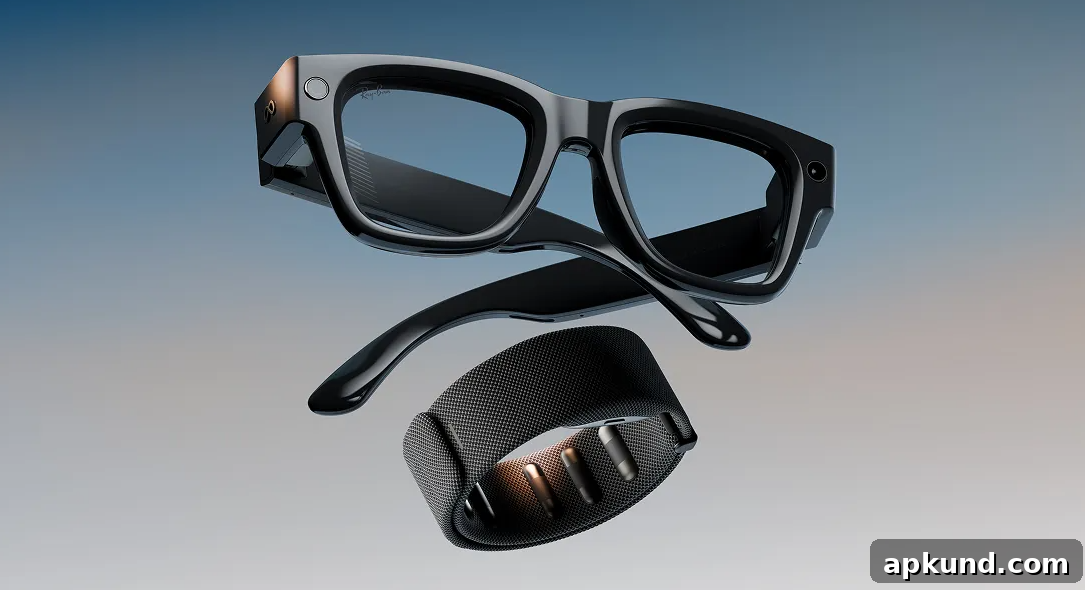
Under UK law, unauthorized photography or recording within court premises is prohibited and can be treated as contempt of court. While personal smartphones are still allowed inside courts provided they are not used to record proceedings, HMCTS has made clear that smart glasses present a different risk profile and will not be treated under the same informal allowance. The courts’ policy stresses that any device capable of surreptitious recording or real-time transmission of audio or video may be seized at entry.
The decision to ban smart glasses follows a high-profile incident earlier this year in the UK High Court. A claimant was ordered to remove a pair of smart glasses after a judge voiced concerns that they could be receiving live coaching or otherwise gaining an unfair advantage through a covert feed. That episode highlighted potential vulnerabilities that wearable cameras can introduce into sensitive legal settings.
Similar measures have been adopted elsewhere. For example, New York’s Unified Court System has implemented a rule requiring visitors to drop off smart glasses at security checkpoints to prevent covert recordings inside courthouses. Such international parallels were cited by court administrators as supporting evidence for the new policy in England and Wales.
Criticism and public unease over smart glasses have been vocally expressed by campaigners, legal professionals and some members of the public, who fear that wearable devices could be used for unauthorized recording, live streaming, or gathering identifying images of jurors, witnesses and others without consent. These risks have prompted businesses and institutions beyond the courts to restrict or ban smart glasses in places like retail premises, hospitals and private meetings where confidentiality and privacy are essential.
Meta, the maker of the glasses, has not issued a detailed public response to the court ban, but the company has previously stated that its eyewear includes a visible pulsing LED indicator to signal when recording is active and incorporates tamper-detection mechanisms intended to prevent users from obscuring that indicator. Those features are designed to enhance transparency, but courts have judged that the potential for misuse or covert recording outweighs the protections currently in place.
Legal experts note that the courts’ approach balances the public’s right to open justice with the need to protect participants and the administration of justice from interference. Contempt of court rules and other legal safeguards remain available to address deliberate attempts to record or transmit proceedings illegally. The new policy is intended to reduce the likelihood of inadvertent or malicious breaches of those rules.
For visitors to courts in England and Wales, the practical effect is straightforward: if you arrive wearing Meta smart glasses or a similar wearable device with recording capability, security staff will ask you to surrender the device for the duration of your visit. Devices will be returned on exit, and the measure is framed as a temporary security procedure rather than a permanent confiscation.
As wearable technology evolves and becomes more common, institutions that manage public gatherings and sensitive proceedings are likely to continue reviewing their policies. Courts have indicated they will monitor developments and adjust security measures as necessary to ensure fair, private and secure hearings while maintaining access to justice for the public and press.