
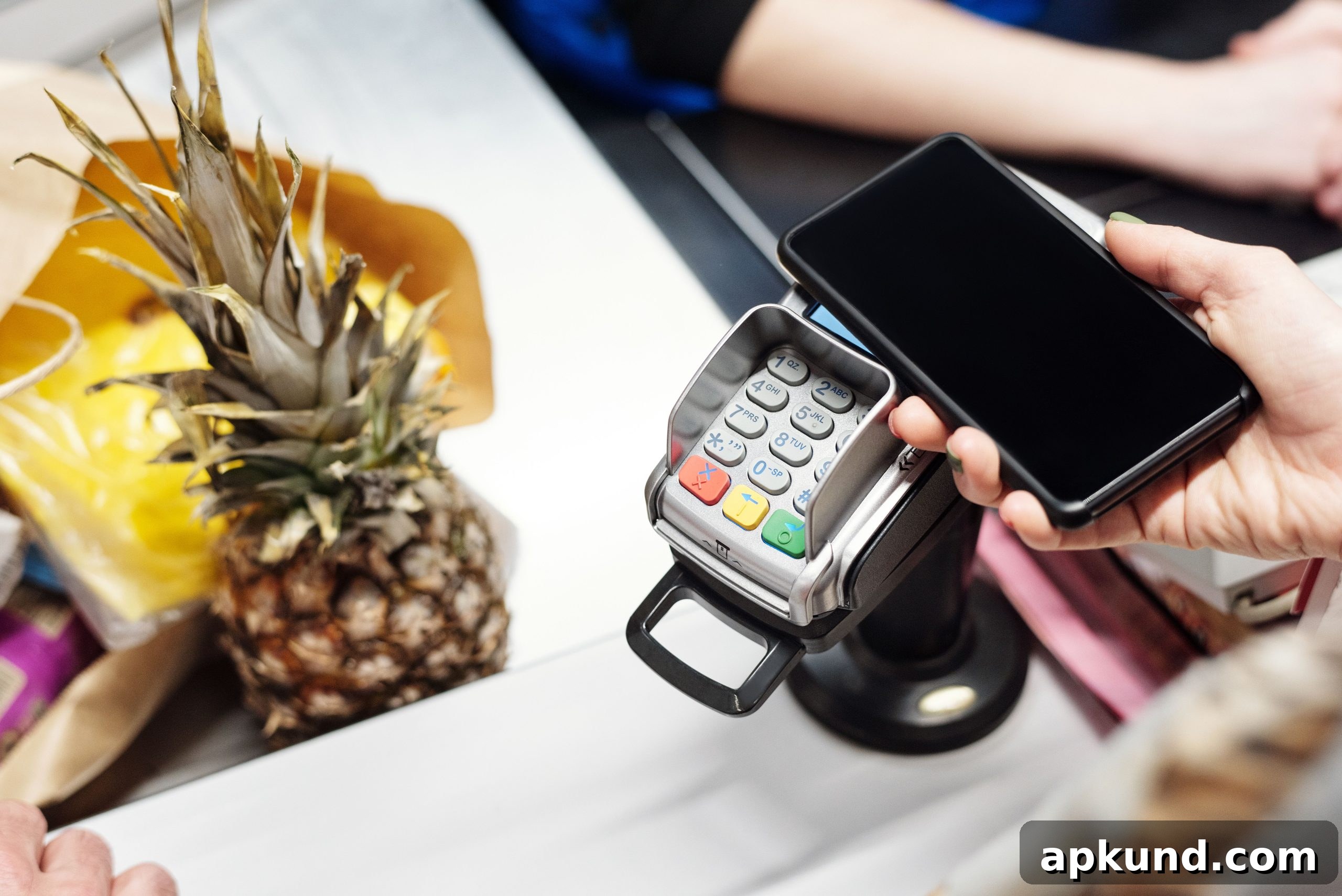
In a welcome change for many shoppers, Walmart has announced it will begin supporting Tap to Pay checkouts across its stores in the United States, including Sam’s Club locations. The rollout starts at select stores on August 24 and is scheduled to expand nationwide by the end of 2026. Fuel stations are planned to follow in mid-2027.
This update enables customers to complete purchases using eligible contactless credit and debit cards, as well as contactless payments from smartphones and smartwatches. Shoppers will also be able to add Walmart, Sam’s Club, and OnePay cards to their mobile wallets for fast access at checkout, streamlining the in-store payment experience.
Tap to Pay will join Walmart’s existing payment options, which already include cash and card transactions, Walmart Pay, and Sam’s Club’s Scan & Go. According to Walmart’s announcement, the move is intended to make checkout feel simpler and more seamless for customers and members. The company emphasized providing payment choices so people can pay in the way that works best for them.
When we think about convenience, we think about a lot of things, but making shopping feel simpler and more seamless from start to finish is a big part. And one of the moments where that matters most is at checkout.
We want customers and members to have choice in how they pay, so they can check out in the way that works best for them.
The addition of Tap to Pay reflects a broader trend toward contactless payments in retail. For shoppers, the main advantages are speed and ease: tapping a card or phone at the register is typically faster than inserting a chip or swiping, and it reduces the number of physical touches required during checkout. For people who prefer digital wallets, being able to store Walmart or Sam’s Club cards within the wallet also makes loyalty and payment information more convenient to access.
It’s understandable that some customers are surprised it took a major U.S. retailer like Walmart this long to widely adopt Tap to Pay given how common contactless payments have become. Retailers roll out new payment technology at different paces for reasons that can include hardware upgrades, integration with existing systems, and ensuring secure handling of payment data. Regardless of the timeline, the practical upside for shoppers is clear: a smoother checkout option that complements existing methods.
From a security perspective, contactless payments often use tokenization and other modern protections that reduce the exposure of actual card numbers during a transaction. When merchants accept payments via smartphones and wearables, the device and wallet provider typically manage authentication (biometrics, PIN, or lock) and tokenized credentials, helping to limit the risk associated with card-present theft. Customers who value security and convenience may find Tap to Pay appealing for everyday purchases.
For members and frequent shoppers, integrating store cards into digital wallets can also streamline rewards and payment in a single tap. While traditional options like cash and physical cards will remain available, the addition of Tap to Pay means more flexibility at the register — whether you prefer a quick contactless tap, a mobile wallet, or a self-checkout experience using Scan & Go.
As deployment progresses from select locations to nationwide coverage, customers should look for signage and register updates indicating Tap to Pay availability. Likewise, fuel station rollouts slated for mid-2027 mean those payment options will eventually be available across more parts of the Walmart and Sam’s Club experience.
Overall, the move to adopt Tap to Pay across these stores represents a meaningful step toward modernizing checkout and giving customers more ways to pay. For shoppers who prioritize speed, convenience, and digital integration, the change should improve the in-store experience without removing the familiar payment choices many already rely on.
Read next: Recent reports have noted Walmart exploring other smart retail initiatives and devices intended to enhance convenience and in-store services for customers and members.