
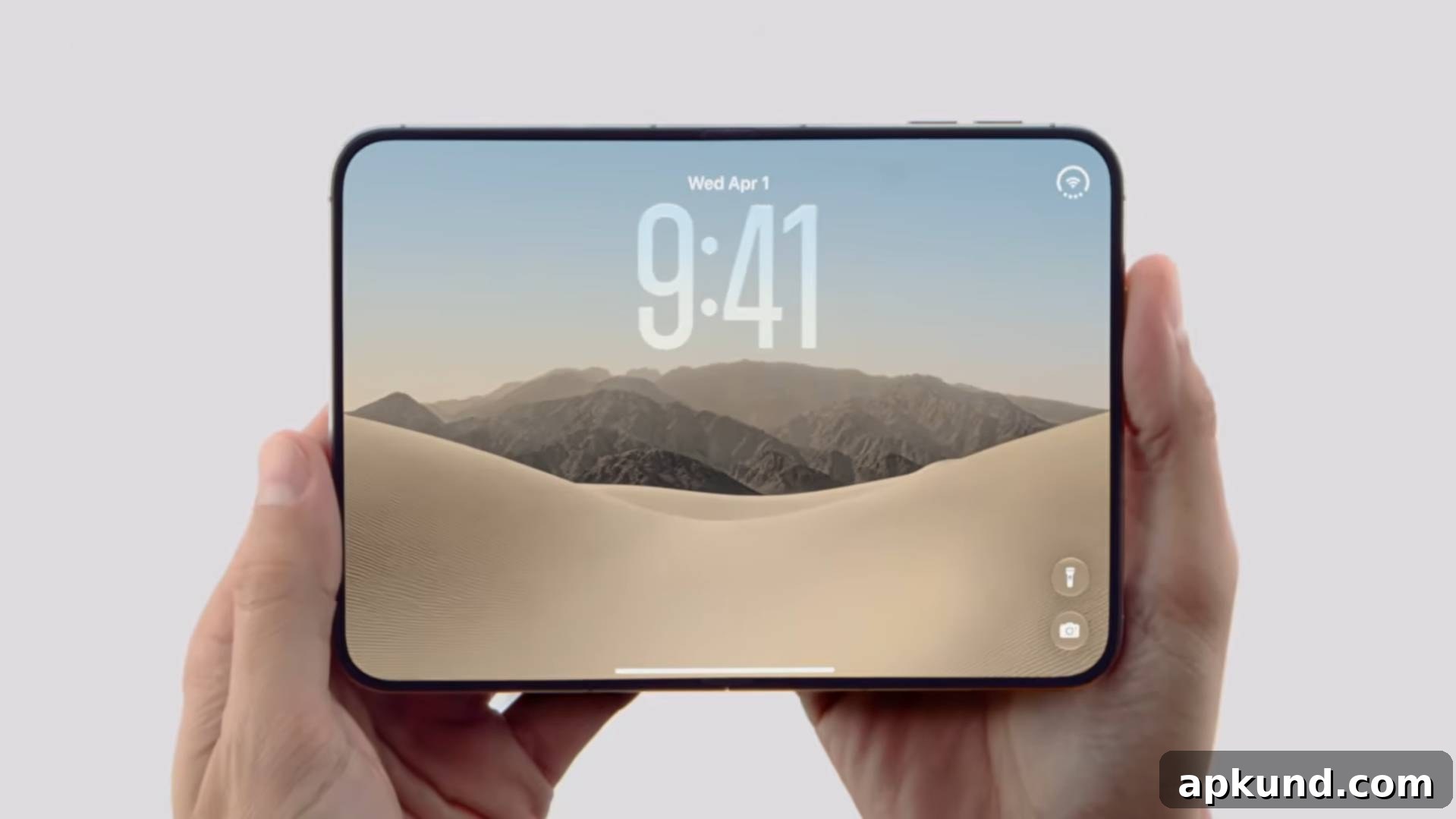
Seven years after Samsung introduced its first Galaxy Fold, Apple has officially entered the foldable market with the iPhone Duo. The new device starts at $1,999. Pre-orders open October 16, and the phone will be available in stores on October 23.
That seven-year gap is notable. Samsung, Google, Motorola and several other manufacturers have spent years iterating on folding phones—building, breaking and rebuilding designs. For most of that time, foldables remained a niche choice for early adopters and Android enthusiasts, not the mainstream shopper walking into a retail store. Apple’s arrival could change that dynamic, but the bigger question is whether Apple learned from the mistakes and lessons of the last seven years.
Did Apple Learn From Everyone Else’s Mistakes?
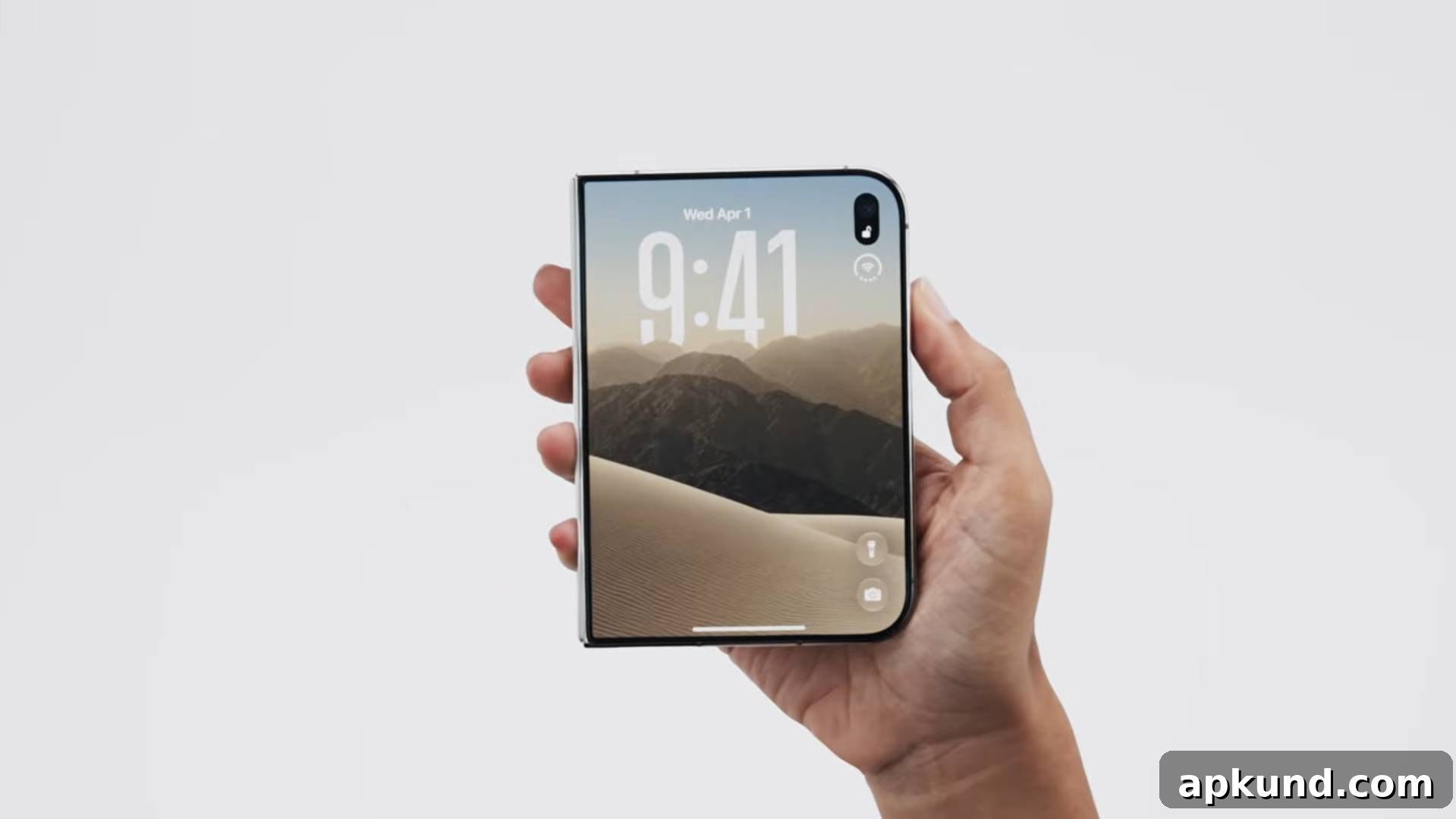
Many current foldables still feel like a regular phone stretched into a bigger form. Apple appears to be betting that the iPhone Duo will feel intentionally different. When closed, the outer display measures 5.4 inches; when opened, the inner display expands to 7.6 inches. That inner screen is wide enough to run two apps side by side using Apple’s new Split View feature, which is designed to take advantage of the broader workspace.
Apple isn’t the first to adopt a wider, book-like foldable format—companies such as Huawei, Samsung and Xiaomi have explored similar layouts, and Microsoft experimented with a dual-screen approach years ago in the Surface Duo. The resemblance to those earlier ideas is clear, and it prompts an important question: were some of those earlier concepts simply ahead of their time, waiting for hardware and software to catch up?
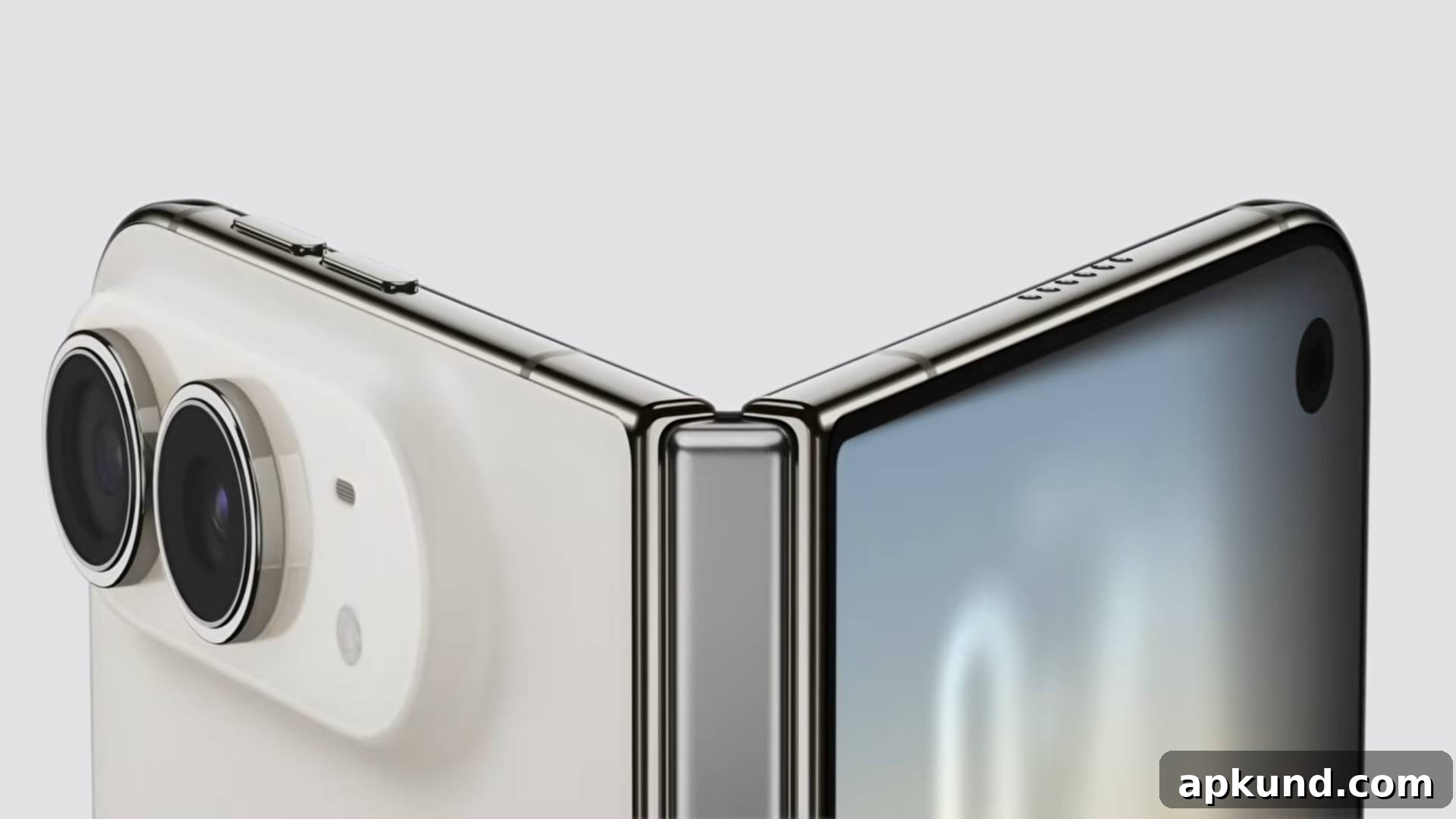
That said, Apple didn’t deliver an unqualified win in every area. On the camera front, the iPhone Duo ships with two rear cameras: a 48-megapixel main sensor and a 48-megapixel ultrawide. Most premium phones in this price bracket include a dedicated telephoto lens for optical zoom, but the Duo does not. Space constraints likely influenced that decision. For users who frequently rely on optical zoom, the lack of a telephoto module will be an important trade-off; casual photographers who rarely use zoom may find it less consequential.

Apple has adapted iOS 27 to the wider interior display by repositioning on-screen controls and navigation toward the side of the screen to make the layout more ergonomic on the opened device. Early demonstrations emphasize right-handed use, and it remains unclear whether a mirrored layout for left-handed users will be available at launch.
The iPad Pencil Combo, Now in Your Pocket

For the first time, Apple is bringing stylus support to an iPhone. The iPhone Duo will support the Apple Pencil with USB-C later this year, enabling note-taking, sketching and document markup on either display. The iPad plus Apple Pencil combination has become a favorite setup for note-takers, artists and designers; offering a similar experience on a pocketable foldable could be a major differentiator for Apple compared with many Android foldables, which generally have not embraced stylus input.

Introducing stylus support also signals Apple’s confidence in the durability and responsiveness of the foldable display. If the company is comfortable recommending regular pokes, drags and pen input on a screen that folds, it suggests the hinge and materials are engineered to withstand routine use.
Apple also opted to skip Face ID on the Duo and instead reintroduced Touch ID, integrated into the side button. Apple frames the change as an ergonomic decision that suits a device designed to open and close in the hand, though preferences will vary among users.
Pricing & Availability
The iPhone Duo will be offered in two finishes—star white and night sky—and runs on the A20 Pro chip, the same processor found in the iPhone 18 Pro. Storage tiers start at 256GB and extend to 512GB, 1TB and up to 2TB. The base price is $1,999, or roughly $83.29 per month over 24 months through Apple’s financing plan, placing it among Apple’s most expensive iPhone offerings.
Whether Apple will be the company to make foldables mainstream hinges on how the iPhone Duo performs in real-world use: how durable the hinge and folding screen prove to be, how well iOS adapts to the wider format, and whether buyers accept the trade-offs Apple made to reach this design. Availability begins October 23. After seven years of outside innovation in the foldable space, Apple’s interpretation has high expectations to meet.