
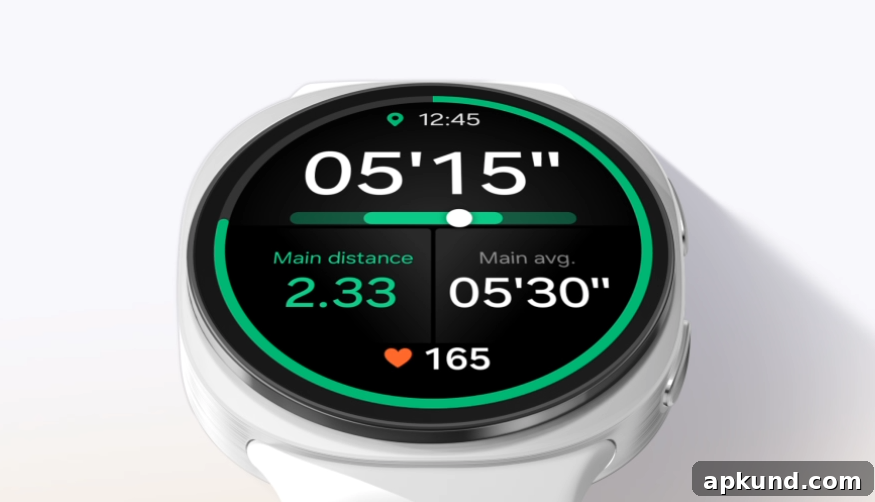
Samsung Galaxy Watch 8: What You Need to Know
If you’re looking for a capable, premium smartwatch to pair with an Android phone, the Samsung Galaxy Watch 8 is worth considering. The base Galaxy Watch 8 model blends a refined design with an extensive set of health and fitness tools developed by both Samsung and Google. It hits the essentials for everyday wear, and at the time of many promotions it can be found for under $300, making it an attractive value for buyers who want a polished experience without stepping up to the largest or most expensive options.
Updated Design and Durability
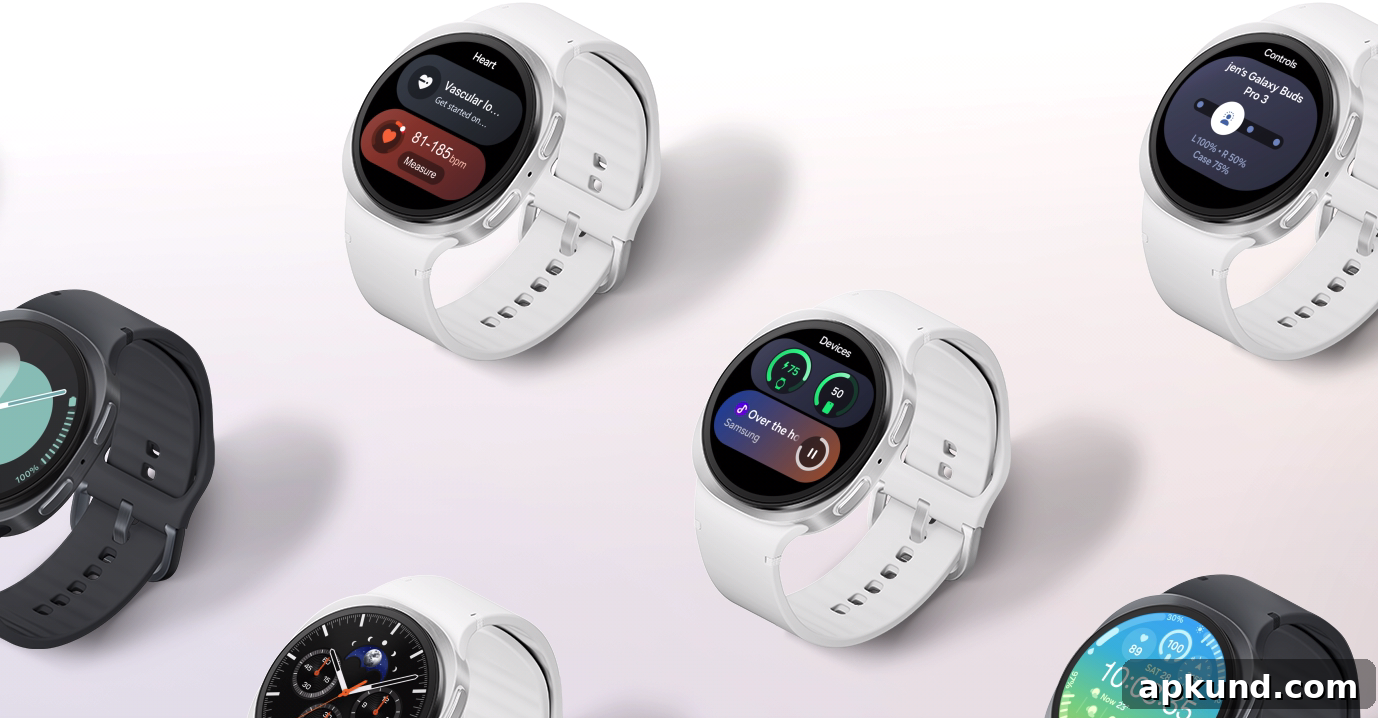
The Galaxy Watch 8 features a newer, sleeker design compared with several prior Samsung models. It’s offered in two popular sizes—40mm and 44mm—which cover the needs of most wrists while providing balanced screen real estate and battery life. Samsung has built the watch with durability in mind and included enhanced water resistance suitable for everyday use, pool swims, and sweat-prone workouts. That said, it isn’t intended for extreme water sports or professional diving, so users should avoid high-impact submersion or activities that push the watch beyond standard consumer water-resistance ratings.
Health and Fitness Tracking
One of the Galaxy Watch 8’s strongest areas is fitness and health tracking. The watch supports a wide variety of workout types and can automatically detect several common activities. It also offers continuous heart rate monitoring, structured workout tracking, and sleep analysis to help users understand rest patterns over time. Samsung’s collaboration with Google has improved the software foundation, bringing smoother integration with Android devices and expanded health features that combine Samsung’s sensors with Google’s health platform.
For casual and dedicated fitness enthusiasts alike, the watch provides useful metrics for running, cycling, gym workouts, and general activity tracking. It also handles daily convenience features—such as step counts, calorie estimates, and basic recovery advice—that make it practical as an everyday wearable rather than a single-purpose device. As with any wrist-worn tracker, accuracy can vary depending on fit, activity type, and sensor conditions, so results are best used as a guide rather than medical-grade measurements.
Battery Life and Practical Use
Samsung notes improved battery life on the Galaxy Watch 8 when compared to some previous models. Typical real-world use can deliver up to two days of battery life, depending on features enabled, screen brightness, and the intensity of workout tracking or GPS use. Users who rely heavily on always-on display modes, continuous GPS tracking, or frequent health sensor readings may see shorter runtime, while light users who disable certain features can extend battery life beyond the average.
Software and Ecosystem
The Galaxy Watch 8 runs on a modern smartwatch platform that benefits from Samsung and Google’s combined efforts on wearables. This improves compatibility with Android devices, providing a smooth notification experience, third-party app support, and convenient integration with Google services where available. The result is a watch that feels cohesive for Android users and supports many apps and services people expect from a contemporary smartwatch.
Value and Final Thoughts
Overall, the Galaxy Watch 8 offers a compelling mix of design, tracking features, and everyday practicality. Its two size options mean you can prioritize comfort or larger display space, and the improved battery life paired with versatile health tracking makes it a good pick for the majority of Android users. If you’re seeking a capable smartwatch without the premium price of the top-tier models, the Galaxy Watch 8 provides strong value—especially when available at discounted prices under $300 during sales or promotions.
Note: This article references common features and typical performance for the Samsung Galaxy Watch 8. Individual experiences may vary based on device configuration, usage patterns, and software updates.