
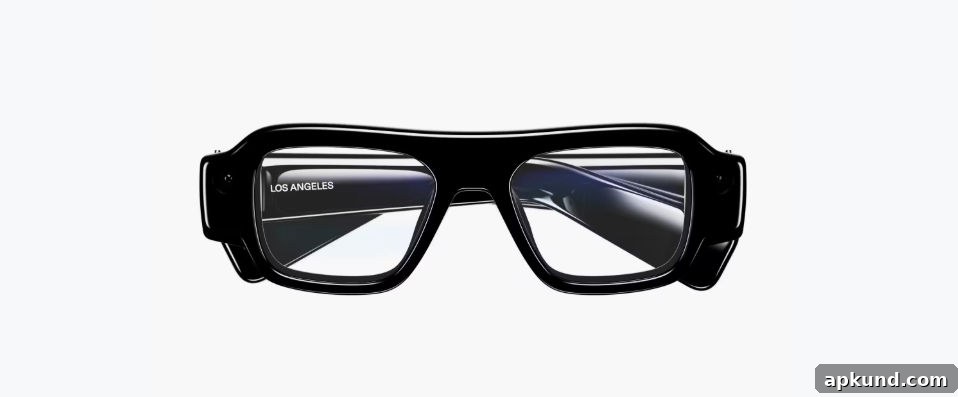
The company behind Snapchat hosted its biggest hardware event in years this week and officially introduced Specs, a new pair of augmented reality glasses priced at $2,195. Snap is positioning these glasses as a potential replacement for both phones and computers by offering a standalone wearable that runs apps, tracks hand gestures and overlays digital content on the real world.
Snap Has Tried This Before, and Failed
Snap’s history with smart glasses is long and uneven. In 2016, the company released camera-only Spectacles through vending machines and later struggled with large numbers of unsold units. Subsequent headset efforts were largely limited to developers and never reached mainstream retail in significant quantities. Those earlier attempts were simpler devices focused on capturing video rather than offering a full computing environment.
Specs aims to be fundamentally different. Rather than acting as an accessory that requires a phone to operate, Specs is a standalone device with its own processing and storage. It is designed to recognize hand motions, display spatially anchored images, and run native apps. During the launch, the CEO described it as a wearable computer, and demos showed the glasses browsing video, translating text such as a restaurant menu, and placing a video call without anyone touching a separate screen. These demonstrations highlight the product’s intent to enable hands-free interactions and to shift attention away from traditional screens.
Early availability will be limited. The company capped the first production run at roughly 100,000 units, which means demand could quickly outstrip supply. Additionally, customers who want fully untethered operation in the United States will need a cellular plan with Verizon, adding an ongoing cost on top of the high upfront price. That monthly fee — estimated at $10 to $20 — is required only if you want the glasses to work independently of a smartphone, but it is an added consideration for prospective buyers weighing the total cost of ownership.
Can Snap Actually Pull This Off?
Snap faces multiple challenges as it tries to bring Specs to market. The company has stumbled on hardware before and is coming off a period that included layoffs and slower user growth in key markets. Competitors have taken different approaches: some well-funded rivals sell lower-cost smart glasses that rely on a paired phone to deliver many features, which helps keep prices down and adoption rates higher.
Snap chose the opposite path by building a fully self-contained wearable and asking customers to pay a premium for that capability. That strategy carries considerable risk. Consumers have previously rejected high-priced headsets that promised dramatic shifts in how people interact with digital content. The Apple Vision Pro, which entered the market at a similar price point, made headlines but did not achieve broad consumer adoption. The same market dynamics could limit demand for Specs.
Even so, Specs represents an important step in the evolution of wearable computing. If Snap can solve practical problems such as comfort, battery life, software quality and developer support, the product could help normalize more immersive, glasses-based interactions. For early adopters and professionals who value hands-free access to apps and information, Specs may offer compelling benefits despite the price.
Adoption will depend not only on hardware but also on the ecosystem. A strong library of apps, easy connectivity with existing services and a reliable developer platform are essential if the glasses are to move beyond a niche audience. Snap has the advantage of a large user base familiar with its camera and augmented reality tools, but turning that familiarity into a sustainable hardware market will require consistent updates, practical real-world use cases and a clear value proposition for everyday tasks.
In short, Specs is an ambitious attempt to redefine the role of personal devices. Its success will hinge on whether customers are willing to invest in a wearable that promises to replace multiple screens, and whether Snap can deliver a seamless, useful experience at scale. For now, the product is a bold step forward, but widespread adoption remains uncertain given the price, limited initial supply and competitive landscape.