
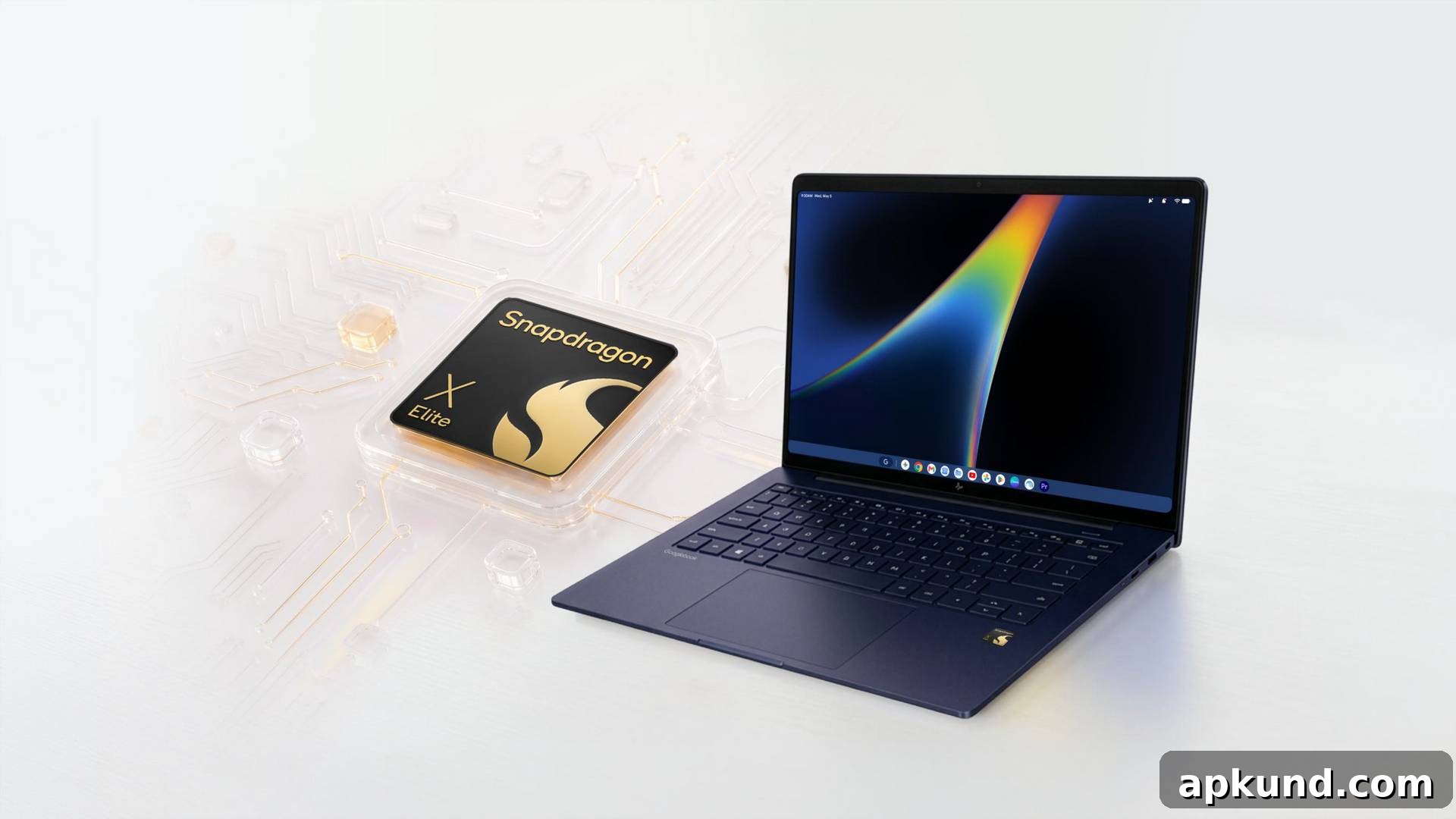
Google’s new Googlebook laptops are now open for pre-order, and they’re designed to work closely with your Android phone. Dell and HP are the first manufacturers to offer models powered by a Qualcomm processor called Snapdragon X Elite.
So what makes a Googlebook different from other laptops? Google says the platform can open your phone’s apps directly on the laptop screen and access files stored on your phone without installs or file transfers. Google positions these devices above traditional Chromebooks, aiming them at users who want a more capable, phone-integrated laptop experience.
What the new laptops can do
The Googlebook platform blends Android software with elements from the Chromebook experience. Qualcomm notes that this combination enables support for thousands of Android apps and games, giving users access to a broad app ecosystem while keeping a laptop-style workflow.
A headline feature is Magic Pointer. Move the mouse pointer over text or UI elements, and Gemini, Google’s on-device AI assistant, offers contextual suggestions based on what’s visible on the screen. For example, pointing at a date in an email can prompt the assistant to offer to schedule a meeting and prefill event details, smoothing common productivity tasks.
Another notable capability is Create My Widget. Using plain language, you can describe a small on-screen dashboard and Gemini will assemble it for you. Google’s sample use case is a trip tracker that collects flight, hotel, and itinerary details into a single, glanceable widget—helpful for travel planning and quick access to essential information.
Qualcomm provides the Snapdragon chips that power many Android phones, and the Snapdragon X Elite in the Googlebook models is intended to deliver a balance of performance and battery life. HP’s model is being marketed as the HP Googlebook 14. According to Google, the Googlebook platform is built to integrate smoothly with the Android devices people already use every day, offering tighter continuity between phone and laptop workflows.
Both Google and Qualcomm are promoting all-day battery life for the Snapdragon-based Googlebooks, though Qualcomm cautions that real-world battery performance will vary depending on settings, workload, and user habits.
Google first demonstrated the Googlebook platform earlier in the year and says the first wave of devices will arrive this fall from Acer, Asus, Dell, HP, and Lenovo. Existing Chromebooks will continue to receive updates through their current support windows, so the new platform is intended to coexist with the existing Chromebook lineup rather than immediately replace it.
What to check before you pre-order
Price remains the biggest unknown. Qualcomm’s announcement did not include retail pricing, so buyers will need to check the pre-order pages for final costs. Shipping windows are also approximate at this point, with Google indicating a fall release but not committing to exact ship dates for each model.
Phone compatibility is another important consideration. The phone-tied features require a device running Android 17 or newer, so if your phone uses an older Android version you won’t be able to take advantage of the integrated app and file features. If you rely on deep phone-to-laptop integration, verify your phone’s Android version before placing an order.
Pre-orders opened on September 21 at 9 a.m. ET through Google’s Googlebook site and participating retail pages. If you carry an Android phone and are shopping for a laptop this season, Googlebooks present a new option that’s worth comparing with the latest Windows laptops and premium Chromebooks—especially if phone continuity and AI-enhanced productivity features matter to you.
Before committing, compare specifications such as processor variant, display size and resolution, RAM, storage, and battery capacity across models from different manufacturers. Also check warranty terms and support timelines. These practical checks will help ensure the Googlebook you pick matches both your performance needs and your phone setup.