
If you’ve been following Apple’s AI story over the past few years, the pattern is familiar: a big stage, an impressive demo, an enthusiastic reaction — and then months of waiting while the promised feature either fails to arrive, ships in a degraded form, or quietly vanishes from promotional materials. That history shapes how users and reviewers react now when Apple unveils another ambitious step forward.
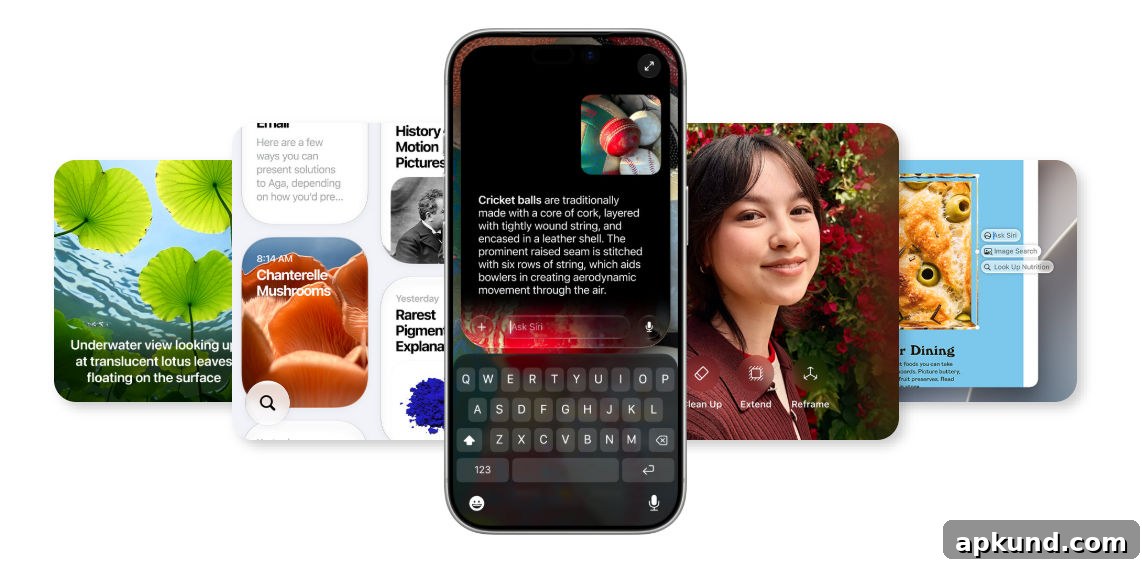
At WWDC 2026, Apple presented Siri AI in a polished, carefully staged demo that looked genuinely capable. The demonstration showed Siri AI managing chained, multi-step tasks across system apps without opening any single app interface: finding photos from a weekend trip, filtering by particular people, adding selected images to a shared album and distributing that album to family members — all via natural language and without manual app navigation. The demo also highlighted Siri AI extracting contact details from older unsaved messages, cross-referencing information across Messages and Mail, and using contextual clues from an on-screen photo to provide directions. Those moments suggested a level of context-awareness and system integration that would be remarkable if reliably available to everyday users.
Under the hood, Apple described Siri AI as operating at the system level rather than being restricted to a sandboxed window. The assistant is powered by a next-generation foundation model that Apple developed in partnership with a major AI provider, which was emphasized as providing the model-level capabilities necessary for advanced reasoning across apps and data sources. Apple candidly acknowledged that user expectations for Siri have evolved and that people expect more — an implicit admission of the assistant’s long-standing limitations and a recognition that past iterations haven’t always matched marketing claims.
We’ve Seen This Before
Apple’s first Siri debut in 2011 reimagined mobile interaction, but it arrived with bugs and limitations that left many users frustrated. Over the years other high-profile Apple launches have followed similar arcs: an ambitious keynote presentation, early excitement, and then messy or delayed delivery. Apple Maps, introduced with great fanfare, famously shipped with serious quality issues that required rapid fixes and public apologies. More recently, certain AI-powered marketing pushes were pulled back when features didn’t function as shown in ads. Those experiences have created a cautious skepticism among users, journalists and enterprise customers alike.
What makes the Siri AI demo at WWDC feel different is the combination of a modern, powerful underlying model and deep system-level integration. The foundation model provides advanced language understanding, while the integration into iOS and macOS enables the assistant to access multiple data sources and app contexts that third-party AI apps cannot easily reach. In principle, that combination is precisely what’s needed to make a voice assistant feel fluent, proactive and genuinely useful across everyday tasks.
However, demos rarely capture the messy realities of diverse hardware, network conditions and the complexity of real-world data. A demo environment can be tightly controlled: clean data, ideal network conditions, and a script that avoids edge cases. When a feature reaches millions of devices, it encounters a far broader set of edge cases — legacy data, unusual message formats, varied privacy settings, language dialects, limited connectivity and device performance differences. The real question isn’t how flattering a demo looks on stage, but how reliably and safely the feature performs for ordinary users over time.
There are also practical questions about rollout and user control. System-level assistants that access email, messages and photos raise privacy and permission considerations. Users will want clear explanations about what data the assistant can read, how long it retains context, where processing occurs (on-device versus cloud), and how to opt out. Reliability and transparency go hand in hand: even a powerful assistant can erode trust if it makes mistakes that are hard to correct or if its data usage is opaque.
Apple’s demonstrated approach combines technical ambition with Apple’s long-standing emphasis on privacy and integration. That synergy could produce a meaningful step forward for on-device intelligence. But prior history counsels restraint: confidence in a keynote must be matched by careful engineering, extensive testing across diverse conditions, and a gradual, well-documented rollout that addresses user concerns and real-world edge cases.
Ultimately, what matters is not how convincing the demo felt to a crowd in a keynote hall but how Siri AI performs when millions of people try to use it for everyday tasks. Will it consistently understand complex, multi-step requests? Will it respect user privacy while accessing the right data? Will it handle ambiguous or unusual situations gracefully? Those answers will become clear only as the feature reaches real devices and real users, and as Apple responds to feedback with iterative improvements.