
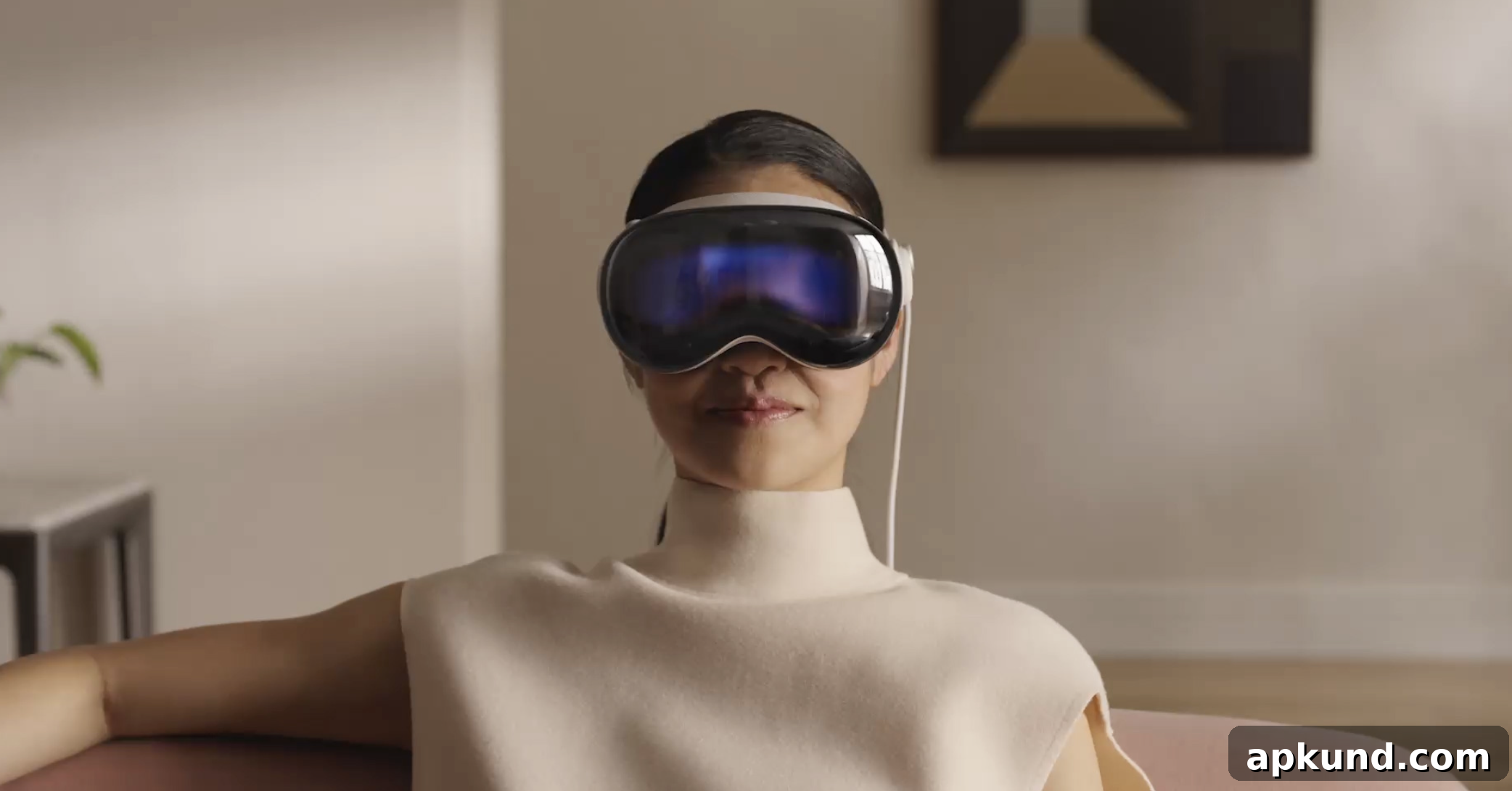
Apple’s push into smart glasses has become the company’s most significant strategic bet under incoming CEO John Ternus. Although Ternus formally takes over on September 1, he has already approved a major pivot: deprioritizing the Vision Pro line in favor of more mainstream smart glasses. Analyst Ming-Chi Kuo, who posted about the change on X, acknowledged that the roadmap he published a year ago is “no longer a useful reference,” reflecting a rapid shift inside Apple.
A year ago, Kuo listed seven head-mounted devices on Apple’s internal roadmap. That plan has been dramatically pared back. Today, Kuo says only two projects remain: a display-free smart glasses product aimed at a late 2027 launch, and a more advanced augmented reality (AR) model using optical waveguide displays that is now expected closer to 2029. The previously rumored Vision Pro successors and the Vision Air concept have been removed from the active roadmap. According to Kuo, Ternus signed off on this reallocation of priorities some time ago, but Apple has not publicly announced the change.
Kuo interprets the shift as sensible: focusing on lighter, more affordable smart glasses increases Apple’s chance of reaching a mass market. That assessment aligns with broader industry signals. While Bloomberg’s Mark Gurman reports that a Vision Pro successor remains in testing, he describes the category as effectively “on ice” with no launch expected before 2028 or 2029. In other words, Apple appears to be choosing a slower, more focused path toward wearables that can scale commercially rather than push enclosed, premium headsets immediately.
The Race Apple Can’t Afford to Lose
The move toward smart glasses also mirrors what competitors have been doing. Meta’s Ray-Ban smart glasses posted a notable sales increase in 2025, Google has renewed efforts in the AR space, and Samsung is reportedly developing its own consumer wearables. That competitive context helps explain why Apple would reassign resources away from experimental, high-cost headsets and toward simpler, lower-cost eyewear that can reach far more users.
Apple’s planned product, reportedly codenamed N50, takes a minimalist approach: no built-in display, a conventional-looking frame with cameras, microphones, and speakers, and reliance on Siri and cloud services to deliver experiences. Industry observers expect the price to land somewhere between roughly $200 and $500, positioning Apple directly against Meta’s consumer lineup and other mainstream offerings. Targeting late 2027 for a launch gives Apple time to finalize hardware and software integration while keeping pace with rivals.
That pragmatic strategy stands in sharp contrast to the Vision Pro’s original positioning. The Vision Pro was always a premium, niche device: a high-priced, enclosed headset with advanced displays and an external battery required to deliver its full experience. At its $3,499 price point, the Vision Pro functioned more as a platform test and a showcase of Apple’s technical capabilities than as a mass-market product. While the headset provided valuable engineering and software lessons, Apple appears to have concluded that the fastest route to scale is a lighter, more familiar form factor.
Shifting emphasis to smart glasses reflects an important trade-off for Apple: pursuing a potentially broader, consumer-friendly path over doubling down on near-term premium AR headsets. That choice is consistent with a longer-term view that wearable adoption will move in stages—first through affordable, socially acceptable eyewear that enhances everyday tasks, and later through more immersive headsets once the ecosystem and economics mature.
For Apple, the challenge will be executing on both hardware and services that feel uniquely Apple: seamless integration with existing devices, high-quality privacy and security controls, intuitive voice and contextual interactions, and a clear value proposition that justifies choosing Apple’s glasses over cheaper alternatives. If Apple can deliver a compelling, well-priced smart glasses product in the next few years, the company could reposition itself from late entrant to category leader in a segment that many see as the next major frontier for consumer computing.