
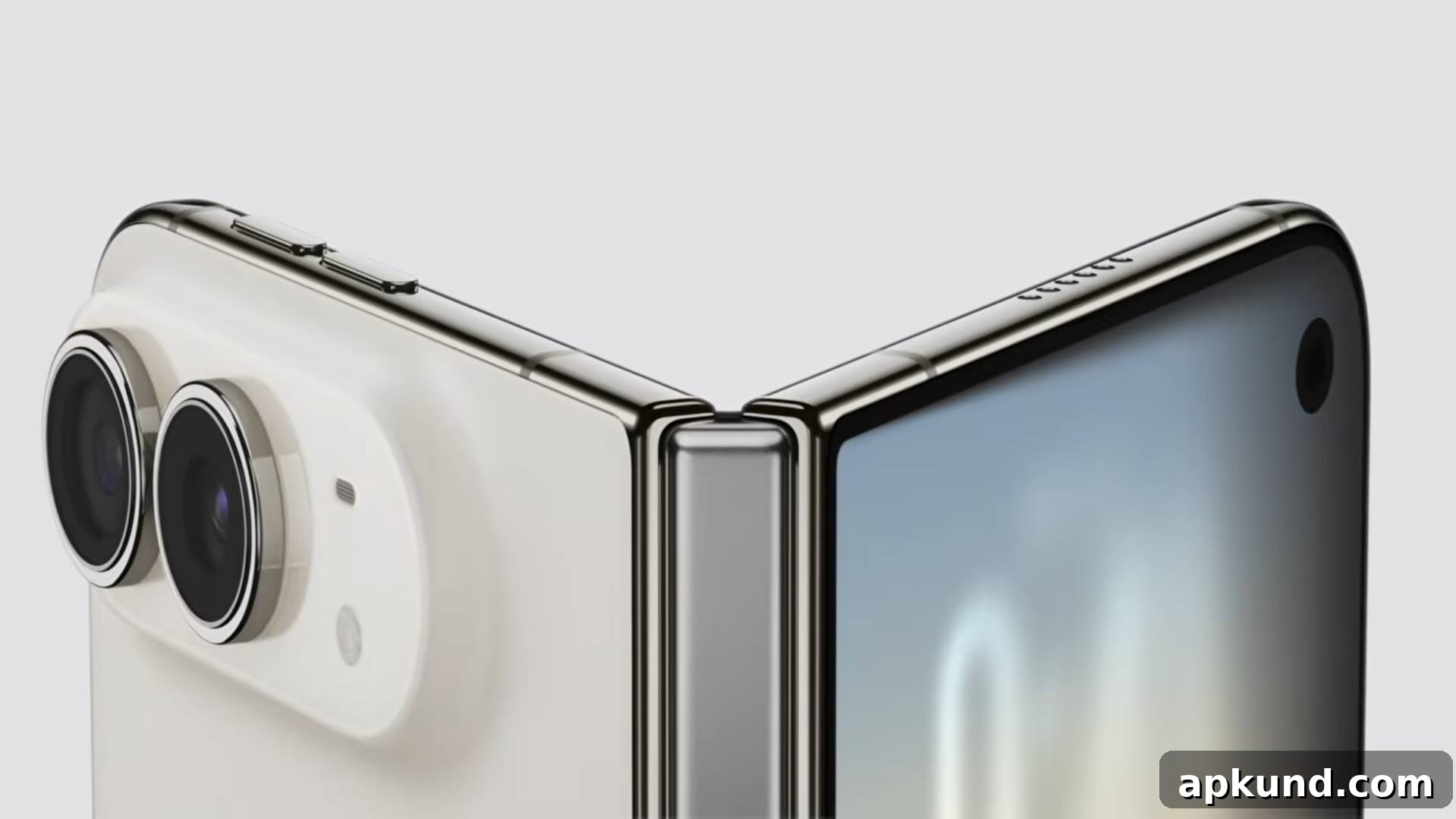
Apple’s new folding iPhone just came out, and a well-known Apple insider already suggests it could redefine what a typical smartphone looks like. That’s a bold claim for a $1,999 device that has not yet reached customers, but it highlights how much attention this product launch is getting.
If you’ve long thought foldable phones were a niche for enthusiasts, the iPhone Duo may change your view. Bloomberg’s Mark Gurman wrote that the iPhone Duo could become the “predominant foldable phone on the market,” calling it “so impressive” that it may “turn foldables into the new normal.” He even predicts the Duo could be the market-leading phone form factor within a decade.
Why One Analyst Thinks This Changes Everything
The iPhone Duo unfolds to a 7.6-inch display and folds closed to a 5.4-inch screen for daily use. It starts at $1,999. According to Gurman, the reason he expects the Duo to succeed is not simply hardware. He emphasizes the software experience, the build quality, and the perceived durability of Apple’s hinge compared to other foldables. Those factors, he argues, could be the decisive elements that help mainstream consumers accept a folding phone.
Apple executives have framed the Duo as a major turning point for the iPhone lineup. John Ternus described the device as the biggest change to the iPhone since the original model, while also taking a thinly veiled jab at some rival designs by calling them “two phones awkwardly stuck together.” Whether that phrasing resonates with buyers will depend on real-world impressions of how the Duo handles, how durable it proves to be, and how well the software adapts to folding screens.
It’s important to remember that this is one analyst’s forecast, not a guarantee from Apple. Mark Gurman has a strong track record covering Apple, but “the new normal” remains an opinion until sales and long-term user behavior support the claim.
Samsung Still Has the Head Start
Samsung has been selling foldable phones since 2019 and remains the market leader. Research firm TrendForce estimates Samsung holds roughly 35 percent of the global foldable market this year, while Apple’s share would be around 25 percent in its first year selling a foldable, according to the same estimate. That gap reflects Samsung’s multi-year head start and broad portfolio of foldable models.
Apple appears to be approaching the category cautiously but confidently. Reports indicate Apple asked suppliers to prepare for building about 10 million iPhone Duo units this year, up from an earlier plan of 7 to 8 million. Producing that many units for a premium, unproven device suggests Apple anticipates meaningful demand. It also signals the company is serious about making foldables a core part of its product lineup rather than an experimental add-on.
No one knows yet whether Apple’s bet will pay off. The company’s production targets and an insider’s enthusiasm do not guarantee that consumers will embrace this form factor at scale. Gurman’s most ambitious predictions extend a decade into the future; short-term outcomes may be far more modest. Still, for people intrigued by folding phones, the iPhone Duo is now a serious contender—available to pre-order on October 16 and scheduled to ship October 23.
For prospective buyers, key considerations include whether the software experience on the Duo genuinely leverages the larger screen, how the device performs in daily use when folded, and how durable it proves to be after months of handling. Apple’s strength in optimizing software-hardware integration could give it an advantage, but long-term consumer acceptance will hinge on real-world durability, repairability, and overall value compared to more established foldables.
Ultimately, the iPhone Duo’s arrival marks a notable moment for the smartphone market. Whether it triggers a broad shift toward foldable devices will depend on multiple factors: Apple’s ability to deliver on promised quality and longevity, competitive responses from other manufacturers, and how quickly mainstream buyers adopt a new form factor. For now, the Duo is a high-profile attempt to make foldables a mainstream choice rather than a niche curiosity.