
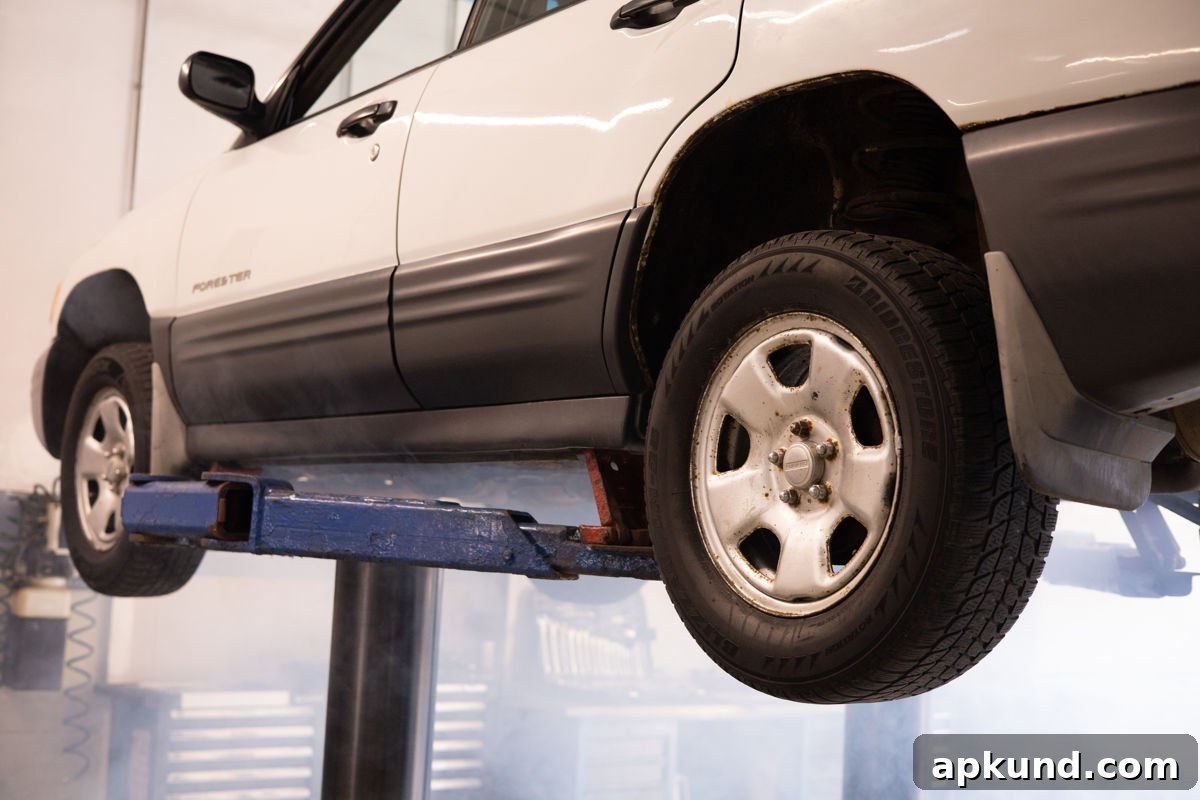
California has become the first state in the U.S. to establish efficiency standards for replacement tires. State regulators say the move will reduce fuel and electricity use and save drivers money over time, but tiremakers and some industry representatives warn the new standards could raise the upfront cost of buying tires. The rule will shape which tires retailers are allowed to sell, and that has both environmental and economic implications for everyday drivers.
Most drivers don’t think about energy efficiency when they shop for tires. When the time comes to replace worn rubber, priorities usually center on price, tread life, wet and dry grip, and performance characteristics like cornering and braking. Rolling resistance — the energy a tire requires to stay in motion — rarely appears on shopping lists. The new California standards are designed to change that by making rolling resistance a criterion for which replacement tires can be offered for sale in the state.
What the Rule Does
The California Energy Commission approved the standards on August 17. The rules target rolling resistance, which directly affects how much fuel a gasoline vehicle uses and how much battery energy an electric vehicle consumes when driving the same distance. Lower rolling resistance means less energy is required to keep the vehicle moving, which reduces overall energy consumption.
Implementation is scheduled in two phases. Phase 1 begins in 2029 and establishes an initial, moderate efficiency threshold. Phase 2 raises that threshold further in 2033. The rules apply to tires sold at retail after those dates; they do not require drivers to replace the tires currently on their vehicles. Several tire categories are exempt, including snow tires, off-road tires, and competition tires, so specialty and seasonal products will not be constrained by the new efficiency limits.
Projected Savings and Potential Higher Purchase Costs
State estimates presented by regulators predict noticeable aggregate savings. The California Energy Commission projects the rule will reduce combined gasoline and electricity spending by California drivers by a substantial amount each year. For an individual owner of a conventional gasoline car, regulators estimate an average fuel saving over the life of a set of tires. While those lifetime fuel savings are meaningful, they should be compared against potential increases in tire purchase price.
Representatives from the tire industry have cautioned that meeting the stricter rolling resistance targets may increase production costs. Goodyear’s Bret Gladfelty has warned that families could face higher costs for a set of new tires once Phase 2 takes effect in 2033, suggesting increases could run into the hundreds of dollars in some cases. Current industry pricing for a standard set of four tires varies widely depending on brand and tire type; industry estimates place typical sets in a certain mid-range price band today, while low-rolling-resistance models can carry a premium. If those premiums remain sizable, some buyers may find the reduced fuel bills insufficient to offset the higher sticker price within the same ownership period.
How This Affects Consumers
Because the first phase starts in 2029 and the second phase in 2033, consumers have time to observe market responses and manufacturer rollouts. Automakers and tire manufacturers may accelerate research and development into compounds and constructions that reduce rolling resistance without sacrificing durability and safety. Competition and innovation could lower the price premium for efficient tires over time.
For drivers considering their options today, a few practical points are worth noting: the rule won’t force you to change the tires already on your car; it only changes what retailers can sell after the compliance dates. If cost is a major concern, shoppers can plan replacements strategically or compare multiple brands and models for the best balance of price, tread life, handling, and efficiency. Conversely, those focused on long-term operating costs and reduced energy use might prioritize low-rolling-resistance models when they become available, accepting a higher initial outlay for lower fuel or electricity consumption over the tires’ lifespan.
What to Watch Next
Key developments to follow include how manufacturers respond on pricing and technology, whether the projected fuel and energy savings materialize in real-world driving conditions, and if other states or federal regulators adopt similar standards. Over the next several years, product availability and pricing will indicate whether the regulation achieves its intended mix of energy savings and affordable replacement tire options for consumers.
Ultimately, the new California standard marks a notable shift in how replacement tires are regulated, putting energy efficiency alongside safety and performance as a factor that determines what tires appear on store shelves. That change could yield benefits for fuel consumption and emissions, but consumers and industry alike will be watching closely to see how costs, choice, and technology evolve before and after the rule’s phased implementation.